The Most Popular EVs in America, and Why They Win
Electric vehicle sales in the United States concentrate far more heavily than gasoline sales do: a handful of models take most of the volume, and the reasons they win are consistent enough to be useful to anyone shopping.
Rather than a ranked list that dates in a quarter, here is what actually dominates each category, why those models keep winning, and what owning one changes in practice.
Why EV Sales Concentrate
Three structural reasons, and they explain most of the leaderboard.
Charging network effects. The best selling EVs have historically been the ones attached to the most usable fast charging, and as charging standards converge, that advantage is spreading across brands rather than disappearing.
Range anxiety rewards the leaders. Buyers new to EVs cluster around the models with the longest proven real world range and the largest owner communities, because both reduce uncertainty.
Price cuts cascade. When a segment leader cuts prices, every competitor reprices, and the used market moves with it. That is why EV pricing has been so much more volatile than gasoline pricing, and why the same model can be a mediocre deal one quarter and a strong one the next.
What Dominates Each Category
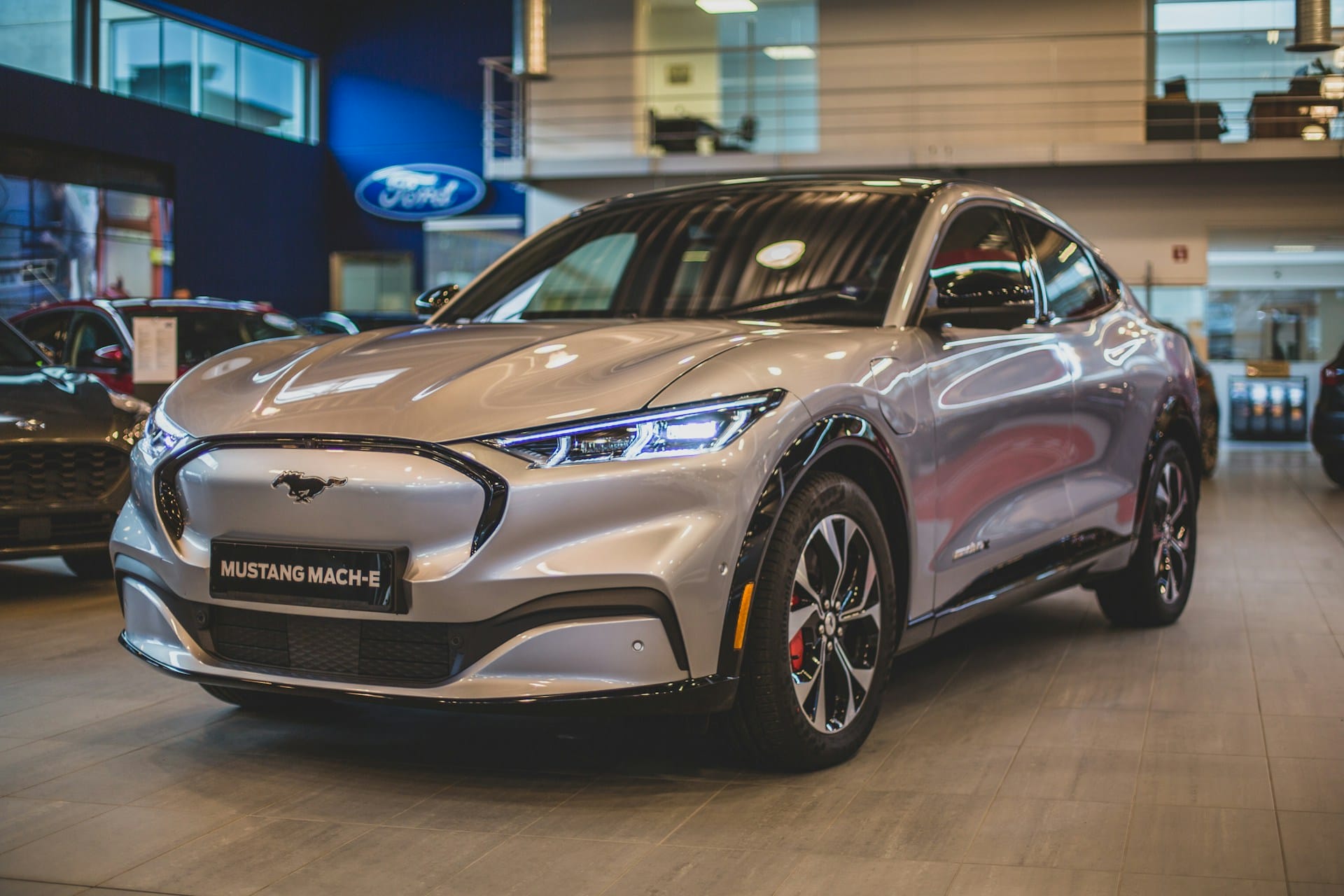
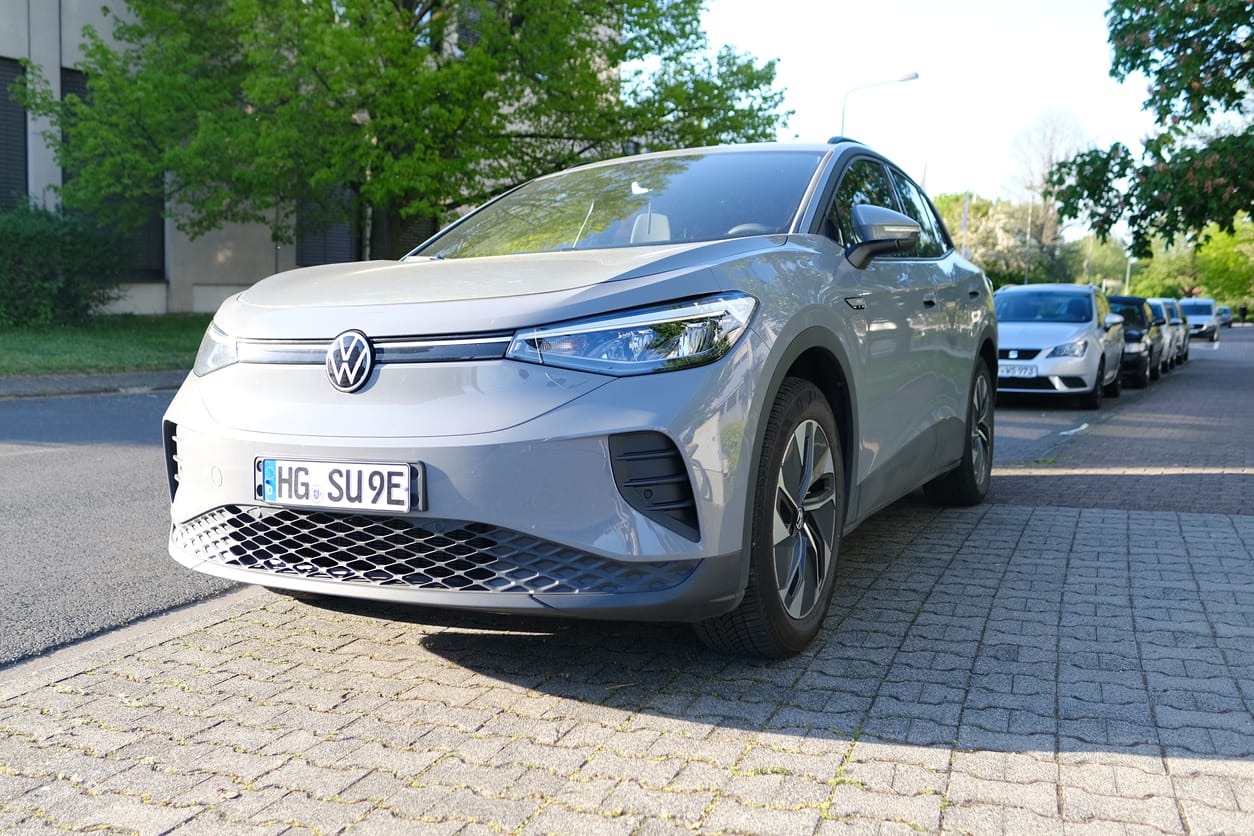
Compact crossovers are the center of the market, led overwhelmingly by Tesla’s Model Y, with the Ford Mustang Mach-E, Hyundai’s Ioniq lineup, the Kia EV6 and Volkswagen’s ID.4 competing for the rest. This is where most first time EV buyers land, because the size matches what American households already drive.
Sedans belong to the Model 3 and, at the value end, the Ioniq 6 and used Chevrolet Bolt, which quietly became the cheapest usable EV in the country.
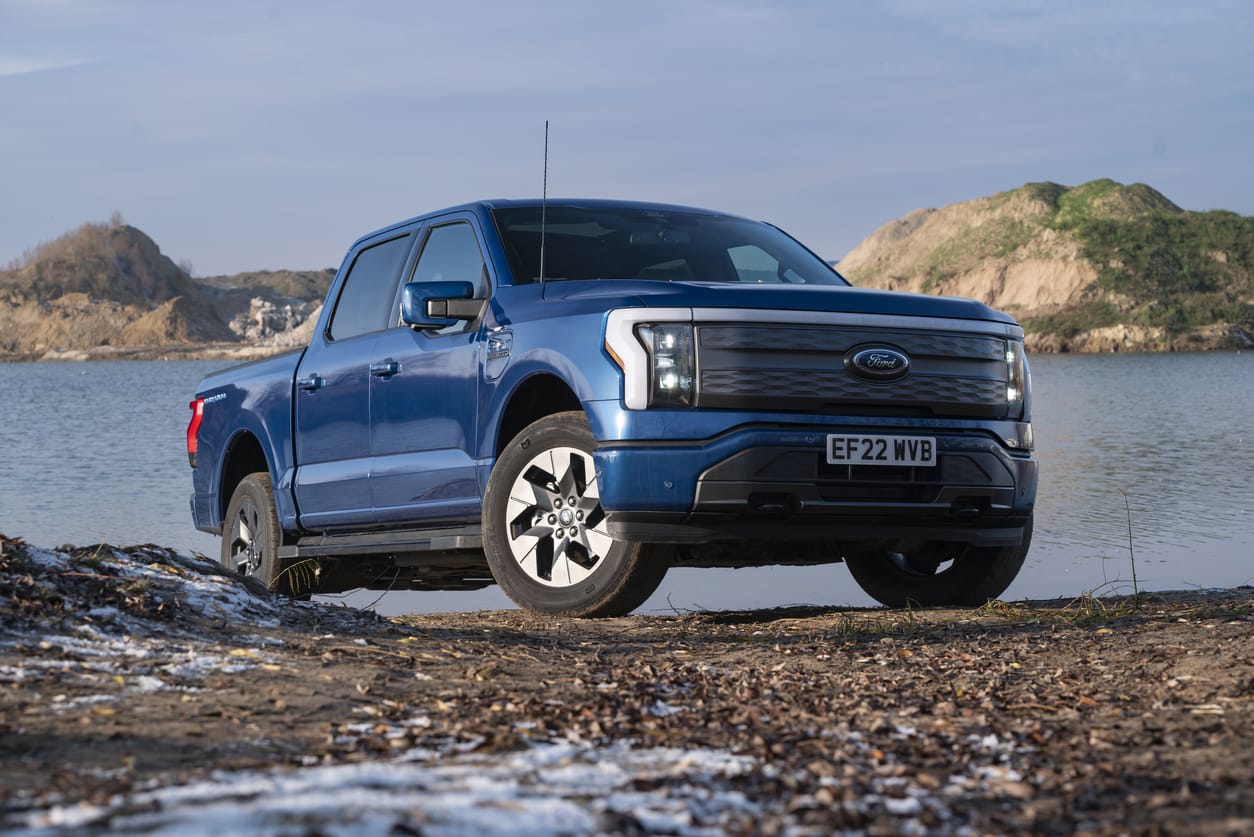
Trucks are the newest battleground: the Ford F-150 Lightning brought the best selling nameplate in America into the category, with Rivian and the Cybertruck splitting the rest. Truck EV sales remain a fraction of truck sales overall, because towing range is still the honest weakness.
Luxury spreads across the German brands, Rivian, and Lucid, none of which dominates the way Tesla does in the mainstream.
The pattern across all four: proven range, real charging access, and a price that survived the cascades. Novelty sells launches; those three sell volume.
One more pattern worth knowing: the leaderboard is stickier than the headlines suggest. Individual months produce dramatic stories, a new launch spikes or a price cut moves share, but the annual picture has changed slowly, because the things that win (charging access, proven range, owner communities, service coverage) compound over years rather than quarters. A model that leads for three years builds a used market, a parts pipeline and a body of owner knowledge that a newcomer cannot buy. That is why betting on the established leader is rarely the wrong call for a first EV, and why the genuinely new entrant is a better second EV than first.
What the Popular Models Get Right
Worth naming because it is the actual shopping checklist.
Efficiency over battery size. The strong sellers go further per kilowatt-hour rather than carrying the biggest pack. That shows up as lower price, lower weight and faster charging, which is why efficiency is the number worth comparing, not range alone.
Fast charging speed in minutes, not peak kilowatts. The usable number is 10 to 80 percent time at a real charger. The leaders do it in under half an hour.
Heat pumps and cold weather behavior. The models that hold their range in winter keep their owners; the ones that lose a third of it generate the complaints. If you live anywhere with real winters, this is the review section to read first.
A usable one-pedal calibration and honest software. Infotainment complaints now drive more dissatisfaction than drivetrain complaints across the industry, and the popular models are popular partly because their software mostly works.
Buying One: The Three Checks That Matter
Confirm current incentives against your own situation, because eligibility turns on income caps, vehicle price caps and where the vehicle was assembled, and the rules change. State and utility programs are frequently worth more than people expect, and several are rebates rather than tax credits. Our page on state and utility EV incentives covers the layers people miss.
On a used EV, get the battery health report and check whether the battery warranty transfers. Mileage is a weaker predictor for an EV than for a gasoline car; climate and charging history matter more. The detail is in our page on EV battery health.
Price home charging honestly. A faster home charger plus installation is part of the purchase, and utility rebates usually require pre-approval rather than a receipt afterward.
Shipping One: Weight Is the Difference
Popular EVs are bought out of state more than most vehicles, because inventory and pricing vary sharply by region and the used market moved online early. Transport is routine with two differences worth declaring at booking.
Weight. An EV runs several hundred to over a thousand pounds heavier than the equivalent gasoline model. A trailer has a legal gross limit, so the carrier plans the deck around it, and that only works if you say the vehicle is electric.
Charge and procedure. Carriers prefer a mid-level charge rather than full or empty, and some EVs need a specific transport mode or cannot be rolled in neutral. If yours has a procedure, write it down and hand it over with the key.
Common Questions
Which EV is the best seller in America? Tesla’s Model Y has led by a wide margin, with the Model 3 leading sedans and the F-150 Lightning the trucks.
What actually predicts a good EV? Efficiency per kilowatt-hour, 10-to-80 charging time, and winter range retention. Range alone is the weakest of the headline numbers.
Are used EVs a good buy? Frequently, after price cascades, if the battery health report is good and the warranty transfers.
Do incentives still apply? Rules change and eligibility is personal: income caps, price caps, assembly location. Check federal, state and utility layers close to the purchase date.
Does an EV cost more to ship? Sometimes, because of weight. Declare that it is electric and keep the charge mid-level.
Get a Quote
Call Ship A Car, Inc. at (866) 821-4555 with both zip codes, your date range and confirmation the vehicle is electric, or price the move with the instant calculator.