Shipping a UTV or Side by Side: What You Need to Know
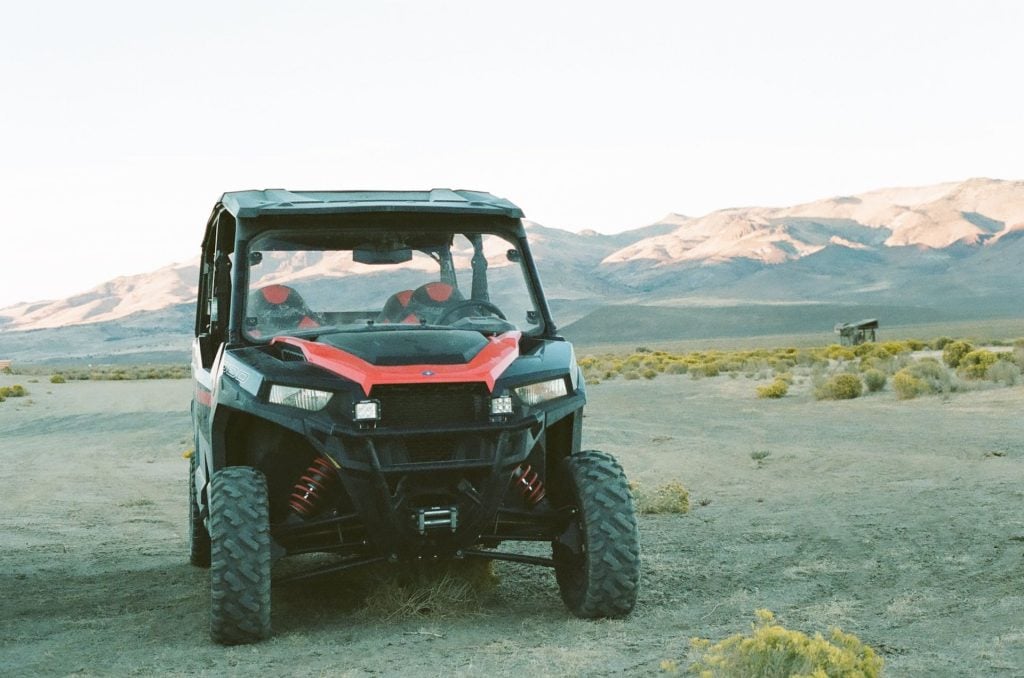
A side by side is neither a car nor a motorcycle, and that is exactly why shipping one catches people out. It is usually not street legal, frequently has no title, is wider than a passenger car, sits on aggressive tires, and often has a roll cage that puts it above the height a carrier planned for.
None of that is a problem when it is described accurately. Here is what a carrier needs to know, how these machines travel, and what it costs.
Measure It, Do Not Guess
The single most useful thing you can do, and the one most often skipped.
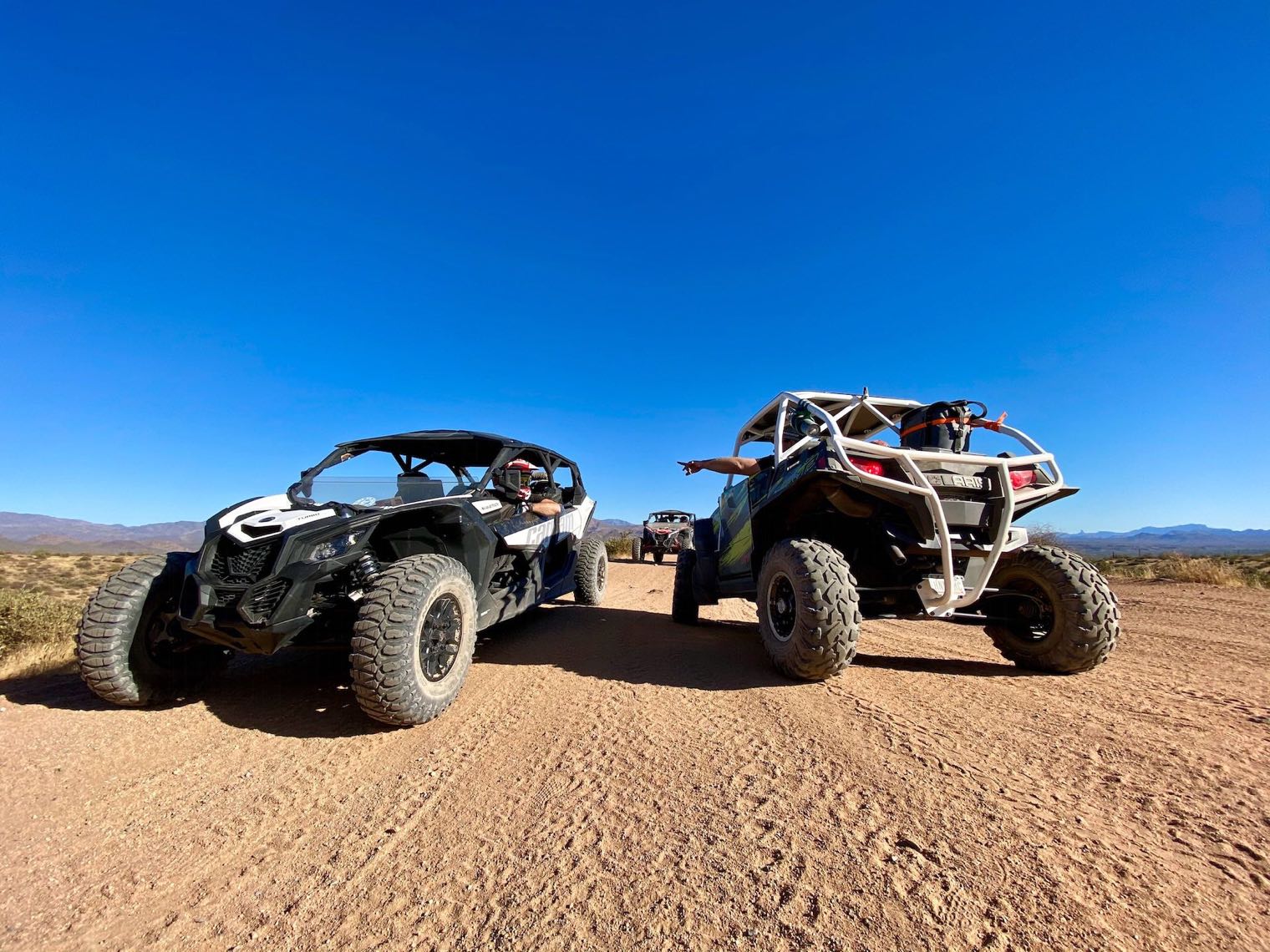
Modern recreational side by sides are wide. Many exceed the width of a compact car, and the widest touch the limits of what fits alongside another vehicle on a trailer deck. Height with a roll cage and any roof or light bar frequently exceeds what a carrier assumes for a powersports machine. Length on a four seat or six seat model with a bed is closer to a small pickup than to a quad.
So measure width at the widest point including mirrors, height at the top of the cage or light bar, and overall length. Note the weight if you have it, since these machines are heavier than they look, especially the larger touring and utility models.
Those four numbers determine which trailer position it fits and therefore what it costs. Supplying them up front produces an accurate quote instead of a revision at pickup.
How They Travel
Three ways, and the choice is mostly about value and weather.
Open trailer. Secured on an open deck alongside vehicles or other machines. Cheapest and entirely adequate for a working machine that already lives outdoors and in dirt.
Enclosed trailer. Inside a covered trailer. Worth the premium for a new machine, an expensive build, anything with a full cab and glass, or a unit going to a dealer where arrival condition matters.
Crated. Mainly how manufacturers ship new units. Most protection, most cost, and usually unnecessary for a used machine.
The other question is whether it rides on its own wheels or on a pallet or skid. A running machine that rolls, steers and brakes is straightforward. One that does not needs a winch and a carrier equipped for it, which is a different booking.
Paperwork Is Different
Most UTVs are not registered road vehicles, and several states do not title them at all. Many owners have only a bill of sale.
That is generally fine for domestic transport, but the carrier needs the VIN or serial number, a description including those measurements, and clear authorization from whoever is releasing the machine. Find the VIN before you call, since on a side by side it is often on the frame rail rather than anywhere obvious.
If the machine is being collected from a dealer, a storage facility or an auction, confirm what they require for release and who may sign. A driver turned away at a gate is a wasted trip that still costs money, and it is entirely preventable.
Preparing It
Wash it, and not for appearance. Dried mud hides scratches, cracked plastics, bent bodywork and dents, which makes the condition report useless to both sides. Then photograph it thoroughly in daylight, including the cage, bodywork, wheels, seats, dash and hour meter.
Run the fuel low, a quarter tank or less. Small vented tanks on a machine that is tilted for days will find a way out, and fuel on a deck or on a vehicle below is a problem that becomes yours.
Then strip and secure. Remove or fold mirrors, take off whip antennas and flags, remove loose tools and anything in the bed, and secure a soft top or doors properly. If there is a windshield that folds, decide whether it travels folded and secured or removed entirely.
Check tire pressures, since the machine sits on them under strap tension. And disconnect nothing electrical unless asked, but do confirm the battery is holding charge so it can be moved under its own power.
How It Should Be Secured
Four point tie down through the frame or designated recovery points, using soft straps rather than chains hooked over bodywork. Straps should compress the suspension slightly so the machine cannot bounce, without bottoming it out.
Object to anything metal bearing directly on plastics, a light bar, or the cage’s finish. Any carrier who moves powersports equipment regularly works this way already, but it belongs in your booking instructions rather than in a conversation at the curb.
What It Costs
Less than a car on the same route in most cases, but not proportionally less, because it still occupies defined deck space and needs individual securing.
The variables are distance and route, open versus enclosed, the measurements above, whether it runs, access at both ends, and how flexible your dates are. Powersports machines also travel on a smaller carrier network than cars, so a few days of date flexibility helps more here than it would on a sedan.
Shipping two or more machines together is meaningfully cheaper per unit, which is worth coordinating if a group is moving equipment to the same destination. For a dealer moving multiple units, our page on transporting multiple vehicles covers how full loads change the arithmetic.
Common Questions
Do I need a title to ship a UTV? Often not, since many states do not title them. The carrier needs the VIN, measurements and clear authorization to collect.
What measurements matter? Width at the widest point, height at the top of the cage or light bar, overall length, and weight if known.
Open or enclosed? Open for a working machine. Enclosed for a new or expensive one, or anything with a full cab and glass.
How much fuel should I leave? A quarter tank or less. Small vented tanks leak when tilted for days.
Is shipping several cheaper? Per machine, yes, noticeably. Worth coordinating when more than one is going to the same place.
Get a Quote
Call Ship A Car, Inc. at (866) 821-4555 with both zip codes, your date range and the machine’s width, height and length, or price the move with the instant calculator.