Speed Limiter Mandates in US Trucking
Federal rulemaking on speed limiters for heavy trucks has been under consideration for well over a decade without a final rule taking effect, and in the meantime a large share of the industry has fitted them voluntarily. Most major fleets already govern their trucks, typically somewhere between 62 and 68 miles per hour. The argument is not really about whether limiters work; it is about what a national mandate would do to trucks moving at a different speed from everything around them.
What a Speed Limiter Actually Is
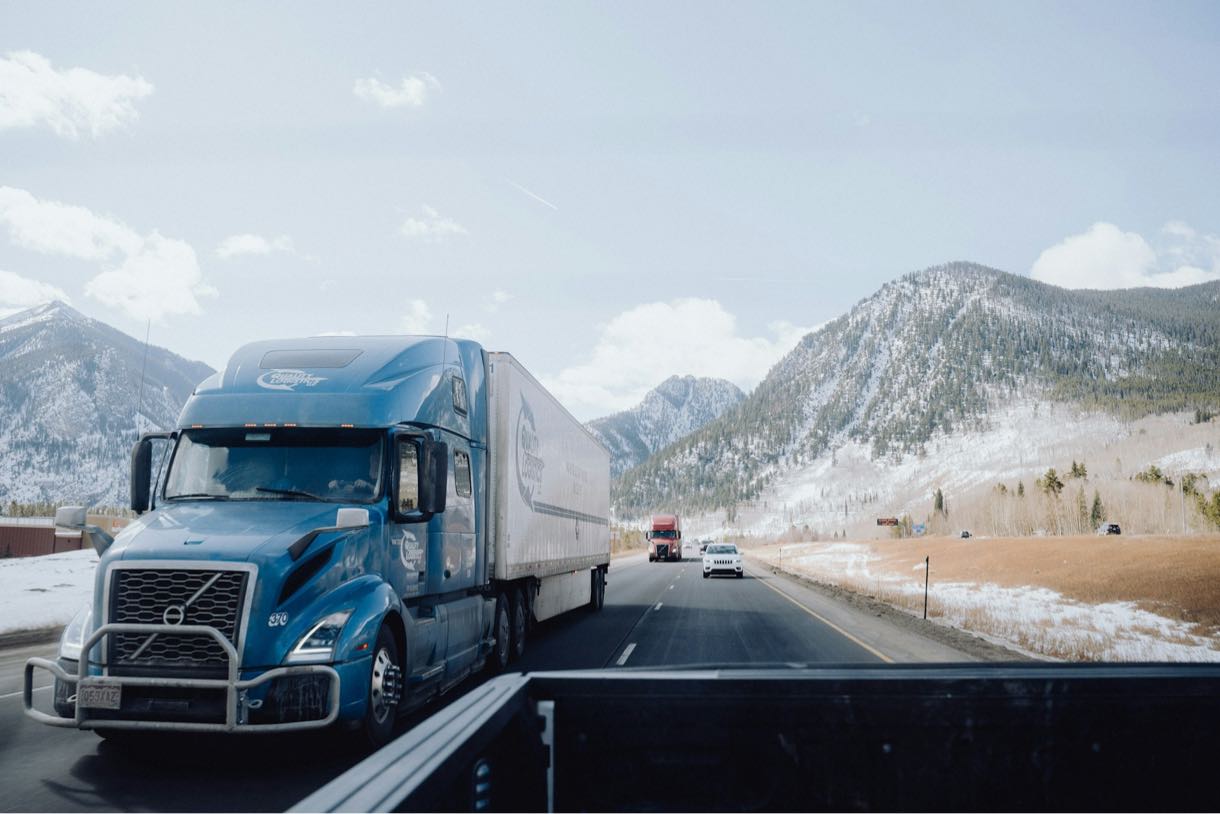
Every modern heavy truck has an electronic control module that already knows the vehicle’s speed and can cap it. A speed limiter, sometimes called a governor, is a setting rather than a device: the fleet configures a maximum and the engine will not exceed it.
This is different from cruise control, which the driver chooses to engage. A limiter applies always, and on most systems the driver cannot override it.
Because the capability is already built in, a mandate would largely be about requiring a setting rather than requiring hardware, which is part of why the regulatory debate has focused on the speed number rather than on feasibility.
Where the Rulemaking Stands
The short version is that the idea has been formally proposed more than once, has attracted enormous public comment, and has not produced a final enforceable rule.
Federal regulators have signaled at various points an intent to require limiters on heavy vehicles, without settling publicly on a single speed. Proposals discussed have ranged around the low to high 60s, and that number is the entire fight: a few miles per hour changes both the safety case and the economic one substantially.
Anyone shipping freight or vehicles should treat this as an open question rather than a settled requirement, and should be skeptical of any confident claim about what the rule will be.
The Safety Argument
The case for limiters rests on physics that nobody disputes.
Kinetic energy rises with the square of speed, so a crash at 75 miles per hour releases substantially more energy than the same crash at 65. Stopping distance grows the same way, and a loaded combination at 80,000 pounds needs far more room to stop than a car. Reducing the top speed of the heaviest vehicles reduces both crash severity and the distance needed to avoid one.

There is a fuel argument alongside it. Aerodynamic drag also rises sharply with speed, and fleets that govern their trucks report meaningful fuel savings, which is precisely why so many adopted limiters without being told to.
How Limiters Interact With Other Safety Systems
A speed limiter is one component in a stack that most modern fleets already run, and the interaction matters more than the setting alone.
Collision mitigation systems brake automatically when a closing speed becomes dangerous, and they work considerably better at lower speeds simply because there is more time and distance to act. Adaptive cruise control holds a following distance rather than a speed. Lane departure warning and roll stability control both intervene earlier in a developing problem when the vehicle is not at the top of its range.
Fleets that govern trucks usually run all of these together, and the safety record they report reflects the combination rather than the limiter on its own. That is worth knowing when reading claims about what a limiter mandate would deliver in isolation: the evidence from fleets comes from trucks that also have the rest of the stack.
The Argument Against
The objection is not that slower is less safe in isolation. It is about speed differential.
Where cars travel at 75 and trucks are capped at 65, the traffic stream contains two populations moving at different speeds. That produces more overtaking, more lane changes around slow vehicles, and more interactions of exactly the kind that cause crashes. Opponents argue the mandate could trade one risk for another.
Owner operators and small fleets raise a second objection: a governed truck covers fewer miles in a legal driving day, and for drivers paid by the mile that is a direct income reduction. The same effect lengthens transit times across the network.
Some also point to elevated speed differentials on rural interstates in western states, where posted limits for cars are highest and the gap would be widest.
What Fleets Already Do
This is the part that gets lost in the argument: much of the industry settled the question for itself years ago.
Large carriers overwhelmingly govern their trucks, generally in the low to high 60s, for fuel economy, insurance and safety reasons rather than regulatory ones. Insurers price a governed fleet differently, and on a fleet of thousands of trucks the fuel difference is a material number.
The practical effect is that a mandate would change less for large carriers than for owner operators and small fleets, which is roughly where the opposition is concentrated.

What It Means for Your Shipment
For a customer moving a vehicle or freight, the effect is on transit time rather than on anything else.
A truck governed at 65 covers less ground in a legal driving day than one running at 72, and across a coast to coast trip that compounds into part of a day. It is one of several reasons an honest carrier quotes a delivery window rather than a delivery time.
It also means a carrier whose trucks are governed is not being slow or unhelpful. They are running the configuration their insurer and their fuel budget require, and that is generally a sign of a well run fleet rather than a poorly run one.
Federal hours of service rules already do more to shape transit time than any limiter setting. Our guide to electronic logging and hours of service explains why delivery is a window rather than an appointment.
Common Questions
Is a speed limiter mandate in force? No. It has been proposed more than once over many years without a final enforceable rule taking effect. Treat it as an open question.
What speed has been discussed? Proposals have centered on the low to high 60s. The exact number is the substance of the disagreement.
Do trucks already have limiters? Many do. Large fleets widely govern their trucks voluntarily for fuel, insurance and safety reasons.
What is the main objection? Speed differential. Trucks capped well below the flow of car traffic create more overtaking and lane changing around them.
Would it delay my shipment? Marginally on a long lane. Hours of service rules affect transit far more than a limiter setting does.
Get a Quote
Call Ship A Car, Inc. at (866) 821-4555 with both zip codes and a realistic date range, or request an estimate for your move through the quote calculator.