
ELD Tampering: The Risks and Penalties
Electronic logging devices replaced paper logbooks specifically because paper could be edited, and tampering with an ELD is treated far more seriously than the paperwork violation it resembles. The device records engine data directly, so falsifying it means defeating a federally mandated system rather than writing something untrue in a book. The penalties reflect that, and they land on carriers as well as drivers.
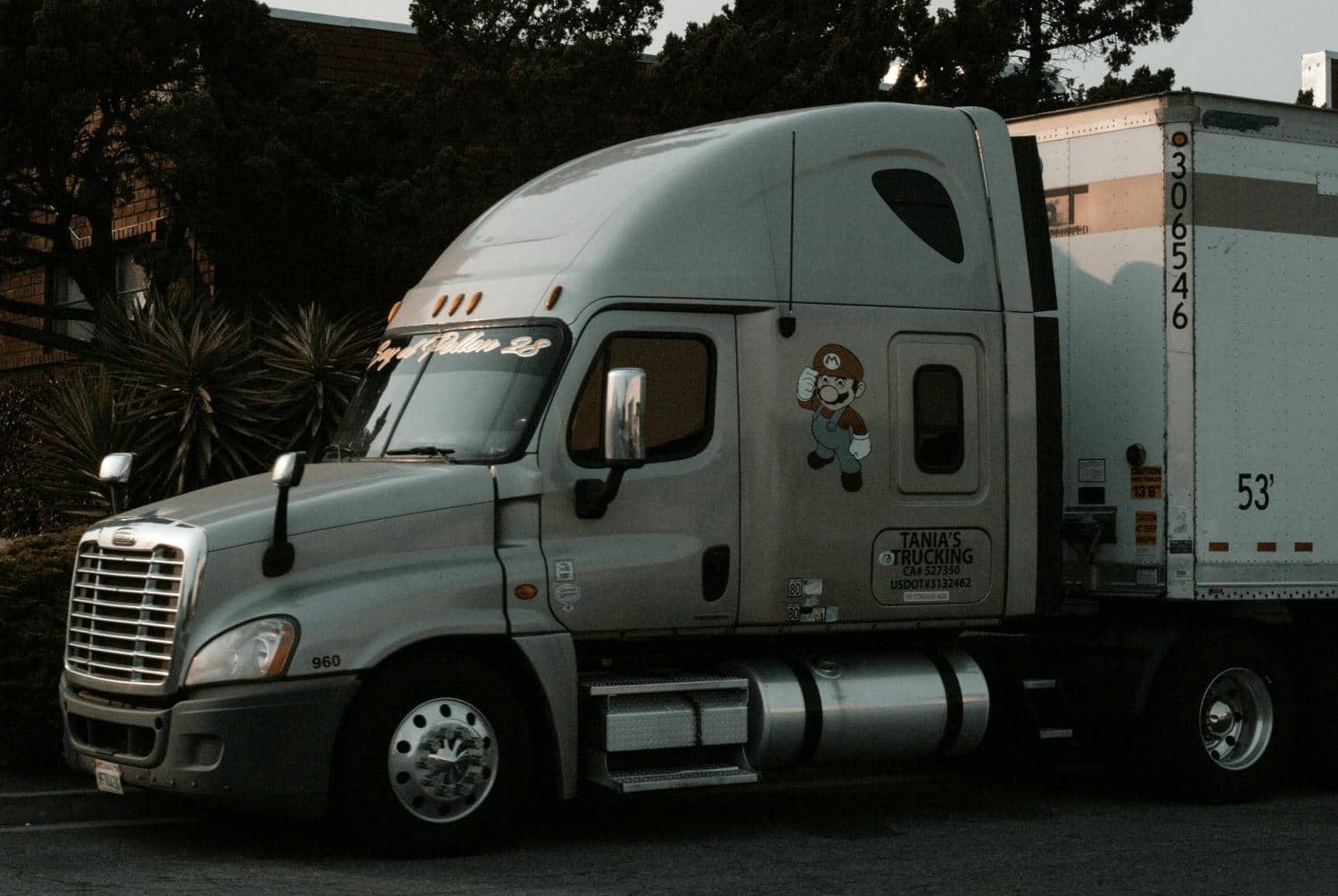
What an ELD Actually Records
An electronic logging device connects to the engine control module and records data the driver does not enter: engine hours, vehicle motion, miles driven and location at intervals. It automatically logs driving time when the vehicle moves above a threshold speed.
That is the point. Hours of service rules limit driving to 11 hours after 10 consecutive hours off duty, within a 14 hour on duty window, and a device tied to the engine makes those limits difficult to quietly exceed.
The driver still classifies non driving time, and that is where most legitimate disputes and most illegitimate manipulation happen. Off duty, sleeper berth, on duty not driving and personal conveyance all require the driver to select correctly.
What Counts as Tampering
The term covers a wider range of behavior than people assume, and several of these are common enough that drivers do not always recognize them as violations.
Physically disconnecting or obstructing the device is the clearest case. So is using unauthorized software or hardware to alter recorded data.
Logging in under another driver’s credentials, or letting somebody else drive under yours, is falsification even if no data is edited. Misusing personal conveyance to record driving time as off duty is another, and it is the most frequently cited of these.

Running an ELD that is not on the federal registered list, or one that has been removed from it, is a compliance failure in its own right, and several devices have been removed from that list over the years leaving carriers to replace them at short notice.
Editing is not itself prohibited. Drivers can annotate and correct records, but driving time recorded automatically cannot be edited away, and every change is retained with the original.
The Penalties Are Layered
Consequences arrive at several levels and the roadside one is only the beginning.
At inspection, a driver found with falsified records is placed out of service, typically for 10 consecutive hours. The truck and its load stop where they are, which on time sensitive freight is its own cost.
Civil penalties for falsification of records run into thousands of dollars per violation, and they can be assessed against the driver and the carrier separately. A carrier that knowingly permitted or encouraged it faces substantially more.
The safety record consequence is the one that persists. Hours of service violations feed the carrier’s federal safety scores, and a pattern triggers investigation, raises insurance costs and closes off shippers who screen on those scores.
In serious cases, particularly where falsification is connected to a crash, criminal charges are possible. Carriers have been prosecuted for systematic falsification.
Why Drivers Do It
Understanding the pressure explains why enforcement focuses on carriers rather than only on drivers.
Detention is the largest single factor. A driver held four hours at a dock has lost four hours of a 14 hour window that cannot be recovered, and nobody pays them for most of it. The temptation to reclassify that time is obvious.
Tight delivery appointments create the same pressure, as does pay structured purely by the mile, which rewards driving and penalizes every legitimate reason to stop.

This is why the FMCSA treats carrier coercion seriously. A driver who reports being pressured to violate hours of service has a formal route to complain, and a carrier found to have coerced a driver faces penalties of its own.
How Inspectors Actually Find It
Falsification is easier to detect than most people assume, because the ELD is not the only record of where a truck has been.
Inspectors compare the log against supporting documents: fuel receipts, toll transactions, weigh station records, bills of lading and dispatch records. A log showing a driver off duty in one state at a time a fuel purchase places them three hundred miles away is not a subtle discrepancy.
The device itself flags unassigned driving time, meaning miles the truck moved with no driver logged in. Those unassigned segments have to be accounted for, and a pattern of them across a fleet is exactly what triggers a compliance review.
Audits look at the fleet rather than the trip. A carrier can pass a hundred roadside inspections and still fail an audit that examines six months of records against fuel and payroll data.
What This Means If You Are Shipping
Most customers never think about ELDs, and there is a reason they should.
Hours of service are why a driver cannot simply push through to make up a delay, and why an honest carrier gives you a delivery window rather than a time. A company promising a guaranteed delivery on a long lane is promising something the rules do not permit them to control.
A carrier with a poor hours of service record is also a carrier with a fatigue problem, and your vehicle is on that truck. The federal safety record is public and it includes exactly this category. Our guide to checking USDOT and MC numbers covers how to look it up in two minutes.
Treat a delay caused by a driver running out of hours as the system working. The alternative is a tired driver with your car on the trailer.
For Carriers and Owner Operators
The practical advice is short and unglamorous.
Use a device from the current federal registered list and check periodically that it is still on it. Train drivers properly on duty status selection, particularly personal conveyance, because most violations here are misunderstanding rather than intent. Keep supporting documents, since they are what corroborate a record under audit.
And address the underlying pressure. Carriers that bill detention, plan realistic schedules and pay for non driving time have fewer violations, because the incentive to falsify is smaller.
Common Questions
Can a driver edit an ELD record? Annotations and corrections to non driving time are allowed and retained alongside the original. Automatically recorded driving time cannot be edited away.
What happens at a roadside inspection? A driver found with falsified records is placed out of service, typically for 10 hours, and the load stops with them.
Is using personal conveyance wrongly a violation? Yes, and it is among the most commonly cited. It records driving time as off duty when it is not.
Does this affect the carrier or just the driver? Both. Civil penalties can be assessed separately, and violations feed the carrier’s federal safety scores.
Why should a shipping customer care? Hours of service are why delivery is a window, not a time, and a carrier with a poor record is one with a fatigue problem.
Get a Quote
Call Ship A Car, Inc. at (866) 821-4555 with both zip codes and a realistic date range, and ask for our USDOT number so you can check the safety record yourself, or request an estimate for the move through the quote calculator.