Trailer Insurance: What Your Auto Policy Actually Covers, and Where the Gaps Are
Most trailer owners are half insured and do not know it. The standard arrangement in most states works like this: while a trailer is hitched to your vehicle, your auto policy’s liability coverage usually extends to it, so damage the trailer does to others is covered. Damage to the trailer itself, in almost every case, is not. That asymmetry is the whole subject, and it surprises people at the worst possible moments.
Here is how trailer coverage actually works, who genuinely needs a separate policy, and the transport questions that come with owning one.
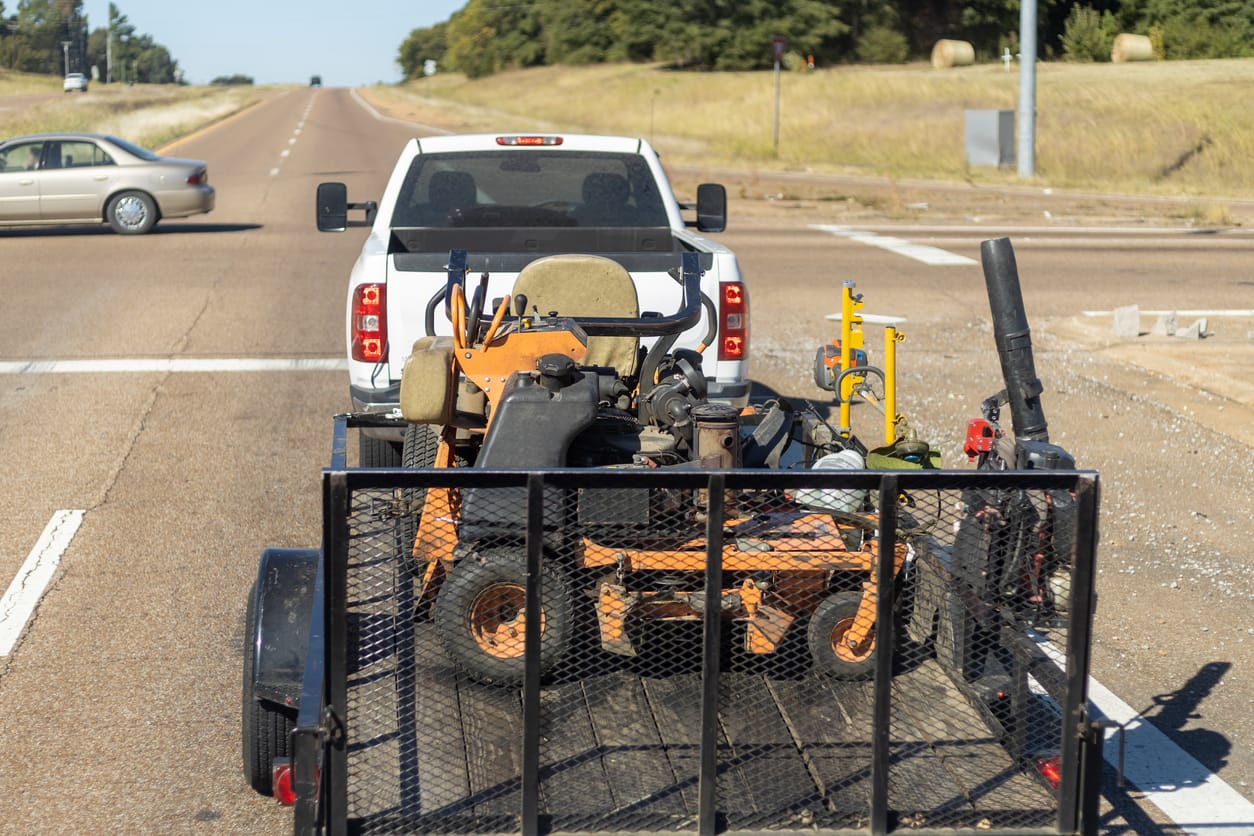
The Coverage Everyone Assumes, and the Gap
Liability usually follows the hitch. If your trailer sways into another car, the liability portion of your auto policy typically responds as if your vehicle did it, while the trailer is attached. Confirm this with your own insurer rather than assuming: policies differ, states differ, and weight or use exclusions exist.
The trailer itself is on its own. Collision and comprehensive on your tow vehicle do not extend to the trailer. If it is stolen from a job site, crushed by a falling limb, or damaged in the crash your liability coverage just handled for the other party, its repair or replacement comes out of your pocket unless you bought physical damage coverage for the trailer specifically.
Unhitched is the deepest gap. A parked trailer that rolls, a stored trailer that burns, a trailer stolen from the driveway: with no hitch, some liability extensions lapse too. Storage is where trailers spend most of their lives, and it is the least-covered hour of them.
Who Actually Needs a Trailer Policy
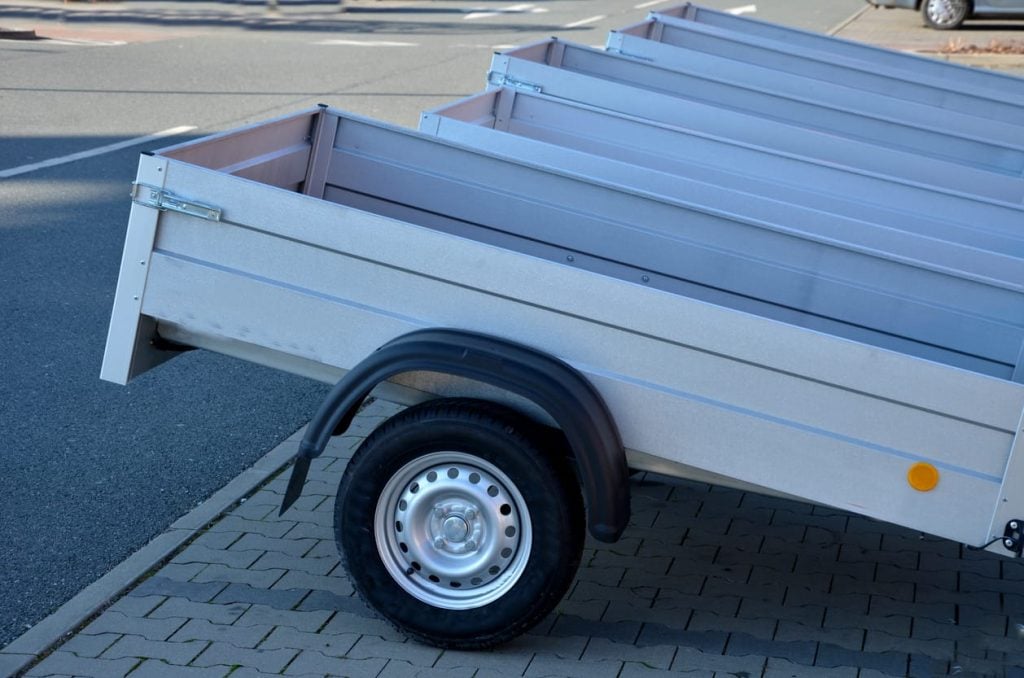
Utility trailer under a thousand dollars: many owners rationally self-insure the box and rely on the hitched-liability extension. Know that is the bet you are making, and make it on purpose.
Landscaping, contracting and work trailers: yes, and not just for the trailer. The tools and equipment inside are typically not covered by trailer physical damage coverage either; that is inland marine or a tool schedule on a business policy. A five-hundred-dollar trailer full of eight thousand dollars of equipment is insured backwards more often than any other setup on the road.
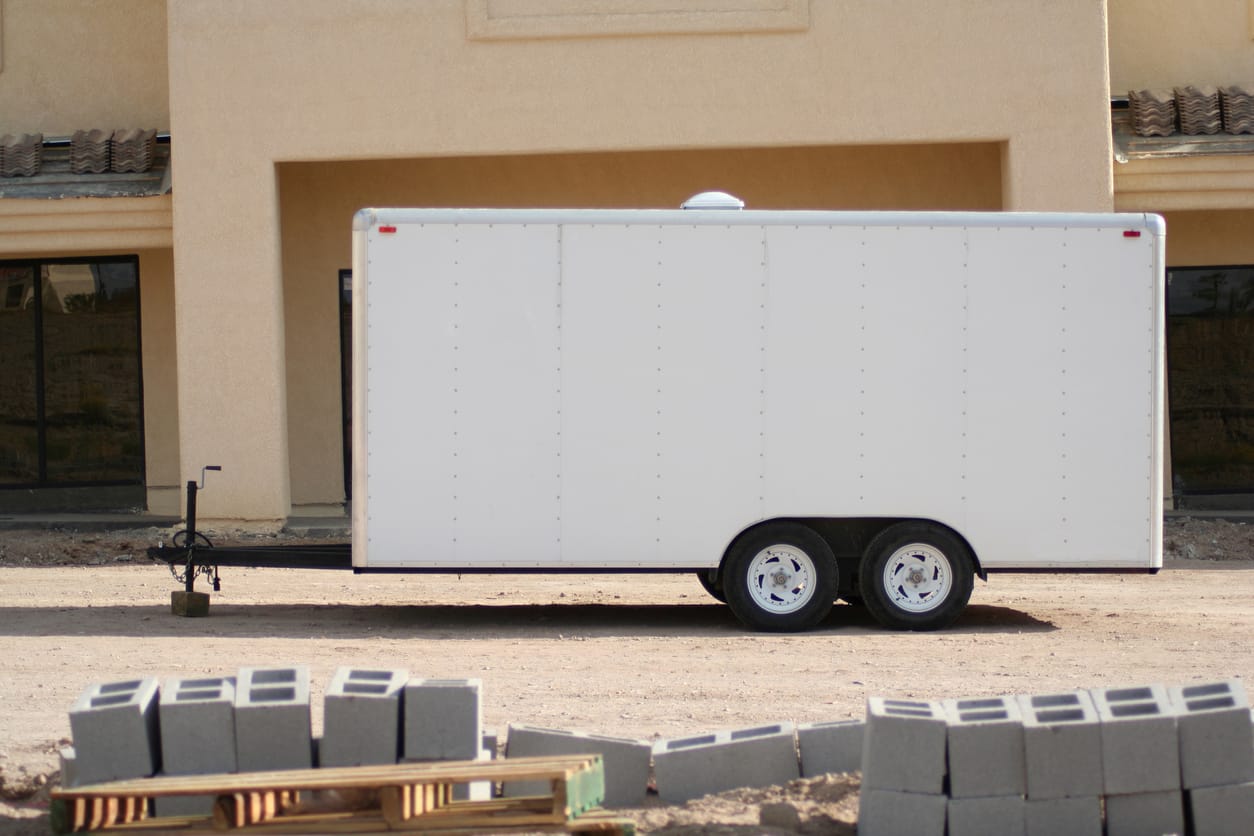
Enclosed cargo, car haulers and race trailers: yes. Values run to five figures before anything is loaded, theft appetite is high because they are anonymous and resellable, and the contents question applies double.
Travel trailers and campers: a dedicated RV policy rather than a rider, because it adds the coverages a living space needs: contents, attached equipment, vacation liability while parked and occupied.

What a Trailer Policy Costs and Covers
Standalone trailer physical damage coverage is one of the cheaper products in insurance, typically a small fraction of what the same value costs to insure as a vehicle, because trailers do not cause accidents by themselves. The decisions that matter in the fine print: actual cash value versus agreed value on older or customized trailers, whether theft requires evidence of a locked hitch or storage security, contents coverage and its limits, and roadside or transport coverage if the trailer is disabled away from home. Photograph the trailer, its serial plate and its contents once a year; the claim you may never file will settle on that evidence.
Reading Your Own Policy in Ten Minutes
The trailer answers live in three places in an auto policy, and none of them is the summary page. The definitions section says whether “your covered auto” includes a trailer and how the policy defines one, sometimes with a weight ceiling that quietly excludes a loaded equipment trailer. The liability section says whether coverage extends to a trailer you own versus one you borrowed or rented, which differ more often than people expect. And the exclusions list is where business use appears: a personal auto policy that happily covers your boat trailer on vacation may exclude the same trailer the moment it hauls for pay. Ten minutes with those three sections, or one direct call asking those three questions, replaces every assumption in this article with your actual answer, in writing.
The Transport Connection
Two situations bring trailers into our world, and both have insurance texture.
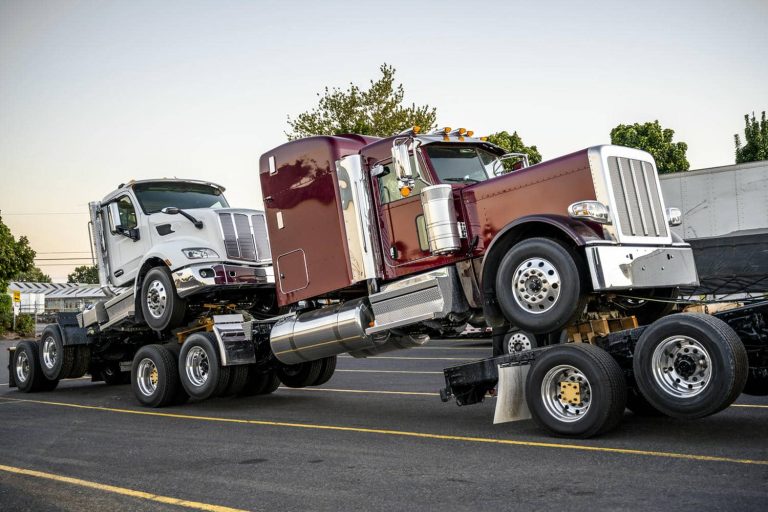
Shipping a trailer. An empty trailer moving state to state travels power-only, towed by a carrier’s tractor, or loaded on a deck if it is not roadworthy, the methods in our page on trailer transport. In transit, the carrier’s cargo insurance covers the trailer, which is a reason professional transport suits high-value units: for the miles that worry you most, the coverage is someone else’s policy, verified on their certificate. How that layer works is explained in our guide to transport insurance.
Towing your own trailer long distance. Before a cross-country tow, the two-minute call to your insurer answers the questions that matter: does my liability extend to this trailer at this weight in every state on the route, and is the trailer itself covered if something happens in Nebraska? Asking after the incident is the expensive order of operations.
Common Questions
Is trailer insurance required by law? Generally no for ordinary private trailers, because your auto liability usually extends while hitched. Commercial use and some states and weights differ; verify your case.
Does my car insurance cover my trailer? Liability while hitched, usually. Damage to the trailer itself, almost never. That requires separate physical damage coverage.
Are tools inside a work trailer covered? Not by trailer coverage. Contents need their own coverage, which is the most common gap in the whole category.
Is a trailer covered while being professionally transported? Yes, under the transport carrier’s cargo policy up to its limit. Ask for the certificate before booking.
What about a trailer in storage? The least-covered state a trailer occupies. If it is worth insuring at all, make sure the policy covers it unhitched and parked.
Get a Quote
Call Ship A Car, Inc. at (866) 452-3657 with the trailer’s dimensions, weight and both zip codes, or request a quote through the specialized transport calculator.