Cargo Theft in Transit: What the Risk Actually Is
Cargo theft is a real and growing problem in American freight, and almost none of it looks like the movies. The overwhelming majority is not armed hijacking. It is paperwork: someone posing as a legitimate carrier collects a load that was never theirs to collect, and it is gone before anybody realizes the company does not exist.
That distinction matters, because it changes what actually protects your vehicle.
The Two Kinds of Theft
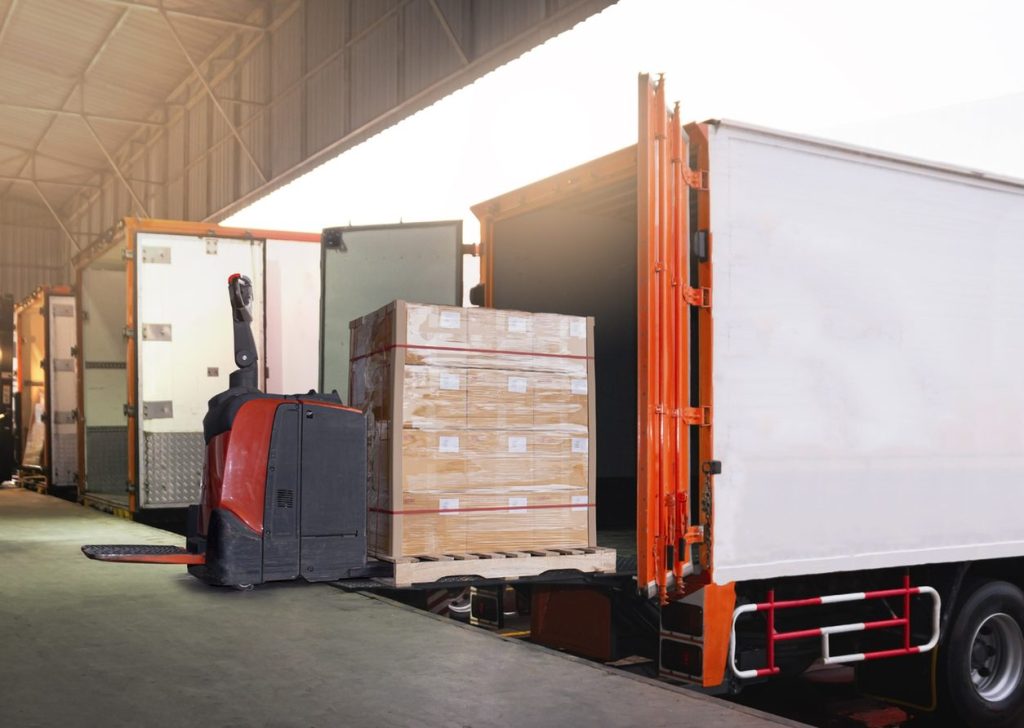
Straight theft is the old kind: a trailer taken from an unsecured lot, usually at a weekend, usually within a day’s drive of a major freight hub. It still happens, and it clusters around the places freight sits still.
Strategic theft is the one that has grown, and it is fraud rather than burglary. A criminal poses as a carrier or broker, often by impersonating a real company with a real operating authority, accepts a load through a load board, collects it legitimately from the shipper, and disappears. Nobody breaks anything. The load is handed over voluntarily to someone who looked exactly like a real carrier.
The second kind is why identity verification, not fencing and floodlights, is where the actual protection sits.
Where the Risk Concentrates
Theft follows freight density and follows the calendar.
Geographically it clusters around the major logistics corridors and ports, and around truck stops and unsecured yards along them. In time, it clusters around long weekends and holidays, because that is when a trailer can sit unattended for three days before anyone notices.
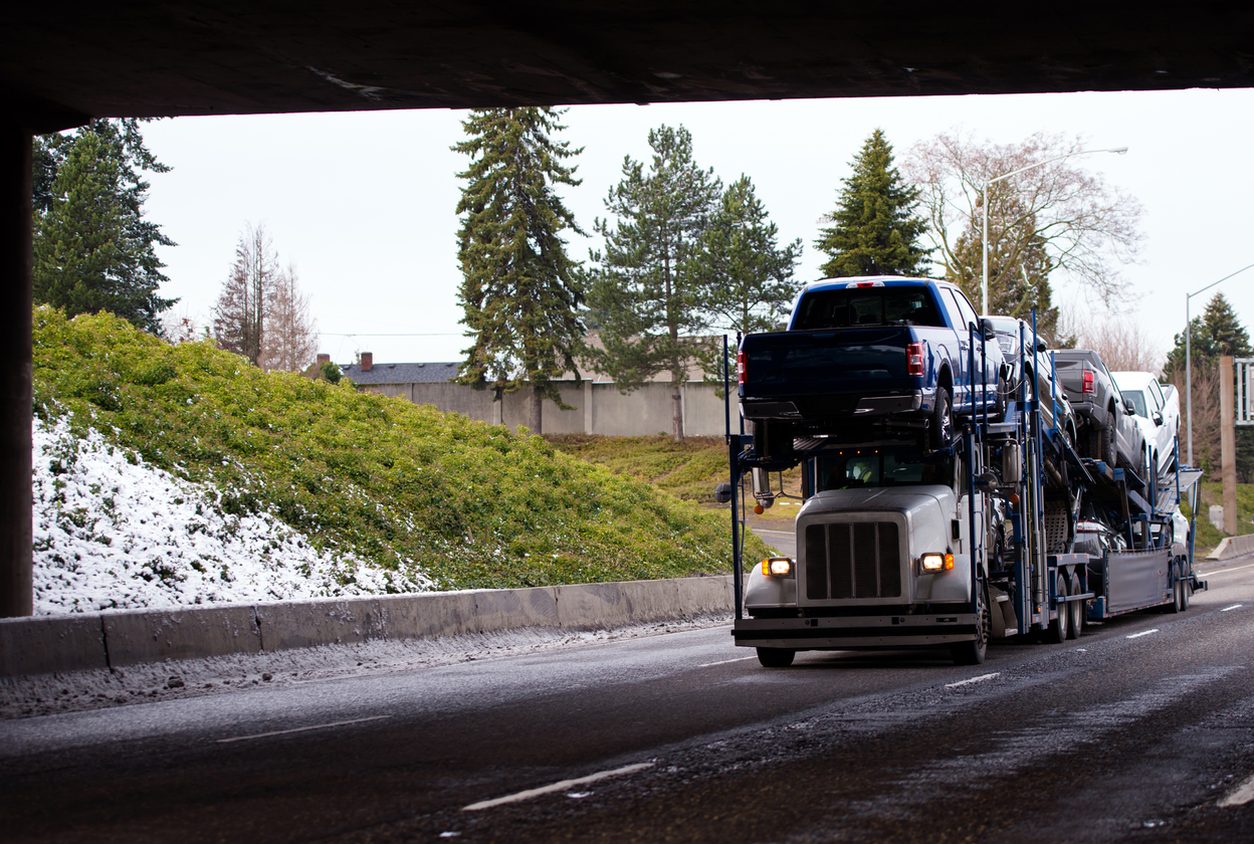
For vehicle transport specifically, the exposure is lower than for general freight. A car on an open multi level hauler is conspicuous, hard to move quickly, individually identifiable by VIN, and worth far less to a thief than a trailer of electronics. That is not a reason to be casual, but it is the honest context.
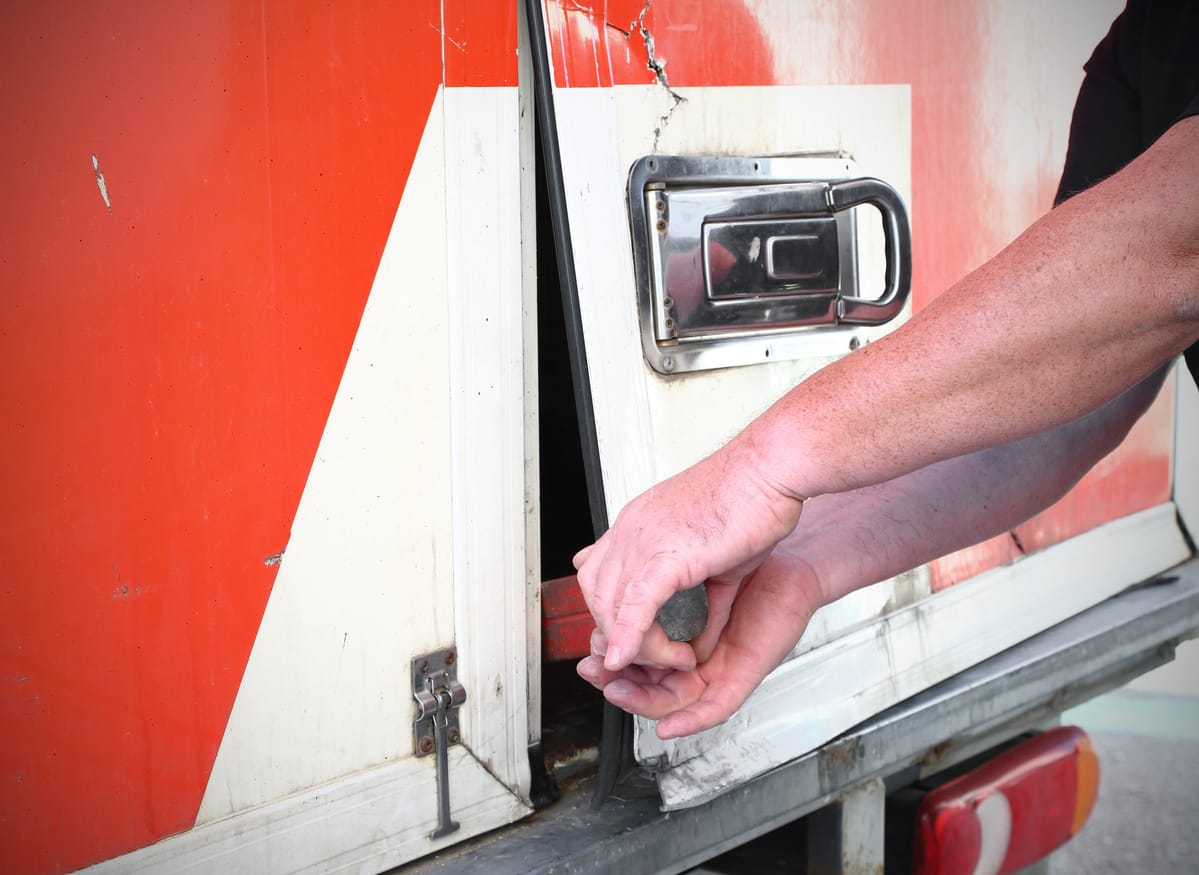
What Actually Protects a Vehicle
Because the dominant threat is impersonation, the controls that matter are the boring administrative ones.
Verifying the carrier is who they say they are. Operating authority active, insurance filing current, and the contact details matching what is on the federal record rather than what is on an email signature. Impersonation works by using a real company’s identity, so the check has to be against the official record, not against what the person sends you.
Knowing which carrier is assigned before collection. If a company will tell you the carrier’s name and USDOT number before the truck arrives, you can confirm the driver who turns up matches. If they will not, you have no way to tell a legitimate collection from a fraudulent one.
Not handing the vehicle to someone unexpected. If a different company arrives than the one you were told, stop and call. Re brokering happens legitimately, but it also happens fraudulently, and a phone call costs nothing.
Double Brokering Is the Related Problem
A load is accepted by one company and quietly passed to another, sometimes several times. Each hand off adds a party you never vetted and, when something goes wrong, an argument about whose insurance responds.
It is not always fraud. It becomes fraud when it is concealed, and it is exactly the mechanism strategic theft exploits. Asking whether a company brokers loads onward, and whether they will name the carrier, is a fair question with a straightforward answer.
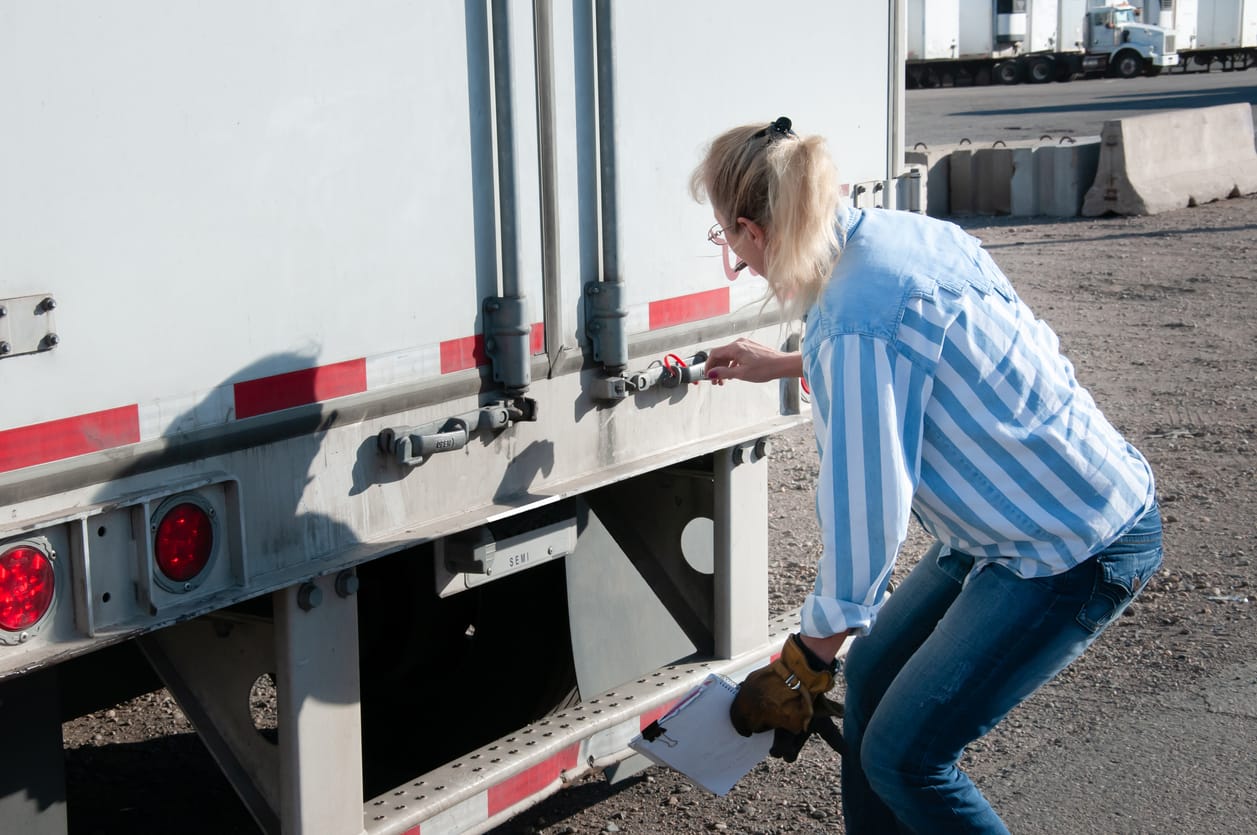
Where Your Vehicle Actually Sits
Worth knowing, because it is the part people picture wrongly. A car on a multi level hauler is rarely left alone anywhere for long. The driver is with the truck, and overnight stops are at truck stops rather than in unattended yards. The extended unattended periods that make general freight vulnerable mostly do not apply.
The exception is terminal shipping, where a vehicle may sit at a facility for days at each end. That is one practical argument for door to door over terminal to terminal on anything you care about.
What to Do at Your End
Photograph the vehicle in daylight before it moves, every panel plus the wheels, lower bumpers, rocker panels and the odometer, and record the VIN. That record is what makes a vehicle identifiable and recoverable, and it is the same record that protects you in a damage dispute.
Empty the car completely. Personal items are not covered by cargo insurance and never will be, which makes anything left inside a pure loss.
Ask what the carrier’s cargo insurance limit is, and remember it is usually per load rather than per vehicle. On a trailer carrying nine cars, a limit that sounds generous divides into something much smaller.
And if a price is dramatically below everything else you have been quoted, treat that as information. Criminal operations do not need to cover fuel, wages or insurance, so they can quote whatever gets the load. How the legitimate market prices is covered in our page on the spot market and the contract market, and the carrier identity problem in chameleon carriers.
If Something Does Go Wrong
Report it to the company you booked with the same day, and to the police, because a vehicle is recoverable in a way a pallet of goods is not. The VIN is on every state and federal database, so a stolen car in transit is far more likely to be found than general freight.
Then check the paperwork. The bill of lading establishes who took custody and when, which is the document that determines whose insurance responds. Keep your pickup photographs, the condition report and any correspondence naming the assigned carrier.
Common Questions
Is my car likely to be stolen in transit? It is a low risk relative to general freight. Vehicles are conspicuous, VIN identifiable and slow to move.
What is strategic theft? Fraud rather than burglary: a criminal impersonates a legitimate carrier, collects the load legitimately and disappears.
What protects against it? Verifying operating authority and insurance against the federal record, and knowing which carrier is assigned before collection.
What if a different company turns up? Stop and call the company you booked with before releasing the vehicle.
Are my belongings covered? No. Personal items are excluded from cargo insurance, so anything left in the car is an uninsured loss.
Get a Quote
Call Ship A Car, Inc. at (866) 452-3657 for specialized transport and freight with both addresses and your date range, or request a quote through the specialized transport calculator.