Why Auto Insurance Premiums Keep Rising
Auto insurance has risen faster than almost any other household cost in recent years, and the reason is not one thing. Repairs got dramatically more expensive, medical and legal costs rose, weather losses grew, and vehicles themselves became more valuable and more complicated.
Here is what is actually driving it, why your state may be far worse than the national picture, and what genuinely reduces a premium.
Repairs Cost Far More Than They Did
The largest single driver, and it is structural rather than cyclical.
A modern bumper is not a bumper. It houses parking sensors, radar for adaptive cruise control and collision warning, and sometimes a camera. A windshield carries the camera for lane keeping. A mirror holds blind spot radar. Replacing any of these means not only the part but recalibrating the system afterward, which requires equipment and time that many shops did not need a decade ago.
So a minor collision that once meant a painted plastic bumper now means a bumper, two sensors, a radar module and a calibration procedure. The accident was equally minor; the claim is several times larger.
Add to that parts availability, which has been slower and more expensive, and labor rates at collision shops, which have risen with skilled labor shortages generally.
Total Losses Are More Common
A consequence of the above that surprises people.
An insurer declares a total loss when repair cost approaches the vehicle’s value. As repair costs rise, more moderately damaged vehicles cross that threshold, and each total loss is a much larger payout than a repair would have been.
This affects older vehicles most. A ten year old car with modest value and a damaged front end containing sensors is written off in situations where an older, simpler car would have been repaired.
Medical and Legal Costs
The second large component, and it is rising for reasons largely outside the car.

Bodily injury claims are settled against healthcare costs, which have risen steadily. Litigation costs have risen too, and average settlement sizes have grown faster than inflation. Insurers price expected future claim costs rather than past ones, so an expectation of higher settlements shows up in this year’s premium.
Uninsured and underinsured motorist coverage feeds in as well. When more drivers carry no insurance, the cost of covering their accidents lands on those who do.
Weather and Where You Live
Comprehensive coverage pays for hail, flood, wildfire and falling trees, and those losses have grown.
This is the largest reason state level differences are so wide. A hail prone state, a coastal state exposed to flooding, or a wildfire exposed region carries structurally higher comprehensive costs, and rates reflect it.
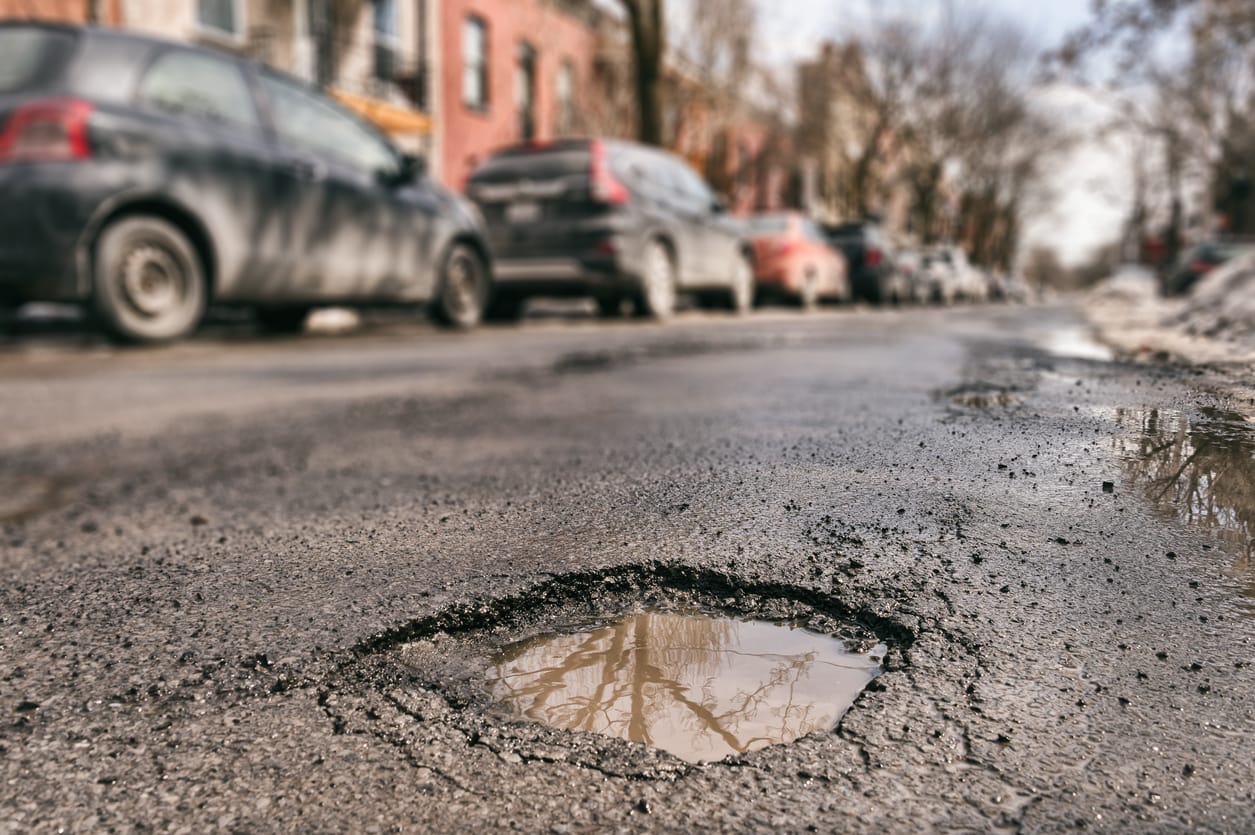
Other local factors compound it: population density and traffic volume, vehicle theft rates, litigation environment, state insurance regulation, and the physical condition of the roads. Potholes and poor surfaces generate real claim volume, and they vary enormously by jurisdiction.
All of which means the national average is close to useless for predicting your own bill. Two identical drivers with identical cars in different states can pay very different premiums for reasons neither of them controls.
Vehicle values themselves are the other quiet contributor. Comprehensive and collision coverage is priced against what the insurer would have to pay to replace the car, and when used vehicle values rose sharply, the exposure on every existing policy rose with them without a single term changing. That effect works in reverse as values soften, which is one reason premiums and used car prices tend to move together with a lag.
What Actually Reduces a Premium
Setting aside the obvious of driving carefully, five things move the number.
Shop it properly, every renewal. The single most effective action available to most people. Insurers change their pricing appetite by segment regularly, and the company that was cheapest for you three years ago frequently is not now. Loyalty is rarely rewarded.
Raise the deductible deliberately. A higher deductible lowers the premium meaningfully. It only makes sense if you could actually absorb it, so decide the number honestly.

Reconsider comprehensive and collision on an old car. When the coverage costs a meaningful fraction of what the car is worth, the arithmetic stops working. Compare the annual premium against the vehicle’s actual value.
Check the discounts you already qualify for. Multi policy, multi vehicle, paid in full, telematics programs, and low mileage. Insurers do not always apply these automatically.
Get an insurance quote before you buy a car. Two vehicles at the same price can differ substantially to insure, based on repair cost, theft rates and safety data. Finding out afterward is a common and avoidable mistake.
The Shipping Connection
One practical note, since it comes up when people move.
Premiums are priced by garaging location, so moving states frequently changes your rate significantly in either direction. Get a quote for the new address before you move rather than after, because it belongs in the relocation budget alongside everything else.
If a vehicle is being transported rather than driven, the carrier’s cargo insurance covers it in transit, up to a limit that applies to the whole load rather than to your car alone. Your own policy may also extend to transit, which is worth a call. What is and is not covered is set out in our page on auto shipping insurance.
Common Questions
Why did my premium rise when I had no claims? Insurers price expected future costs across a whole book of business. Rising repair, medical and weather losses raise rates regardless of your own record.
Why are repairs so much more expensive? Sensors, radar and cameras in bumpers, windshields and mirrors, plus the recalibration required after replacing them.
Why is my state so much worse? Weather exposure, traffic density, theft rates, litigation environment, state regulation and road condition all vary widely.
What is the most effective thing I can do? Shop the policy at every renewal. Pricing appetite changes and loyalty is rarely rewarded.
Should I drop comprehensive on an old car? Compare the annual premium against the car’s actual value. When one approaches the other, the coverage stops making sense.
Get a Quote
Call Ship A Car, Inc. at (866) 821-4555 with both zip codes and your date range, or price the move with the instant calculator.