Cars That Hold Their Value Best, and Why It Matters When You Buy
The short answer: the vehicles that hold value best are the ones with more buyers than supply, off-road capable trucks and SUVs, sports cars with long unbroken model lines, and compacts from brands with deep reliability reputations. The ranked list below comes from an iSeeCars depreciation study, a snapshot rather than a live ranking, but the names on it have proven remarkably stable year after year. Current values move with the used market, so treat these figures as a guide to why certain vehicles hold up, not as this week’s prices.
Resale value matters most at two moments: when you buy, because a slow-depreciating car costs less to own even at a higher sticker, and when you sell, because the difference between a 7% and a 45% first-year hit is real money. It also explains why so many of these vehicles get bought sight-unseen from out of state and shipped home, which we cover at the end.
Top Ten Vehicles With the Best Resale Value
Each percentage below is the share of value the vehicle lost in its first year, as measured in the study. Lower is better.
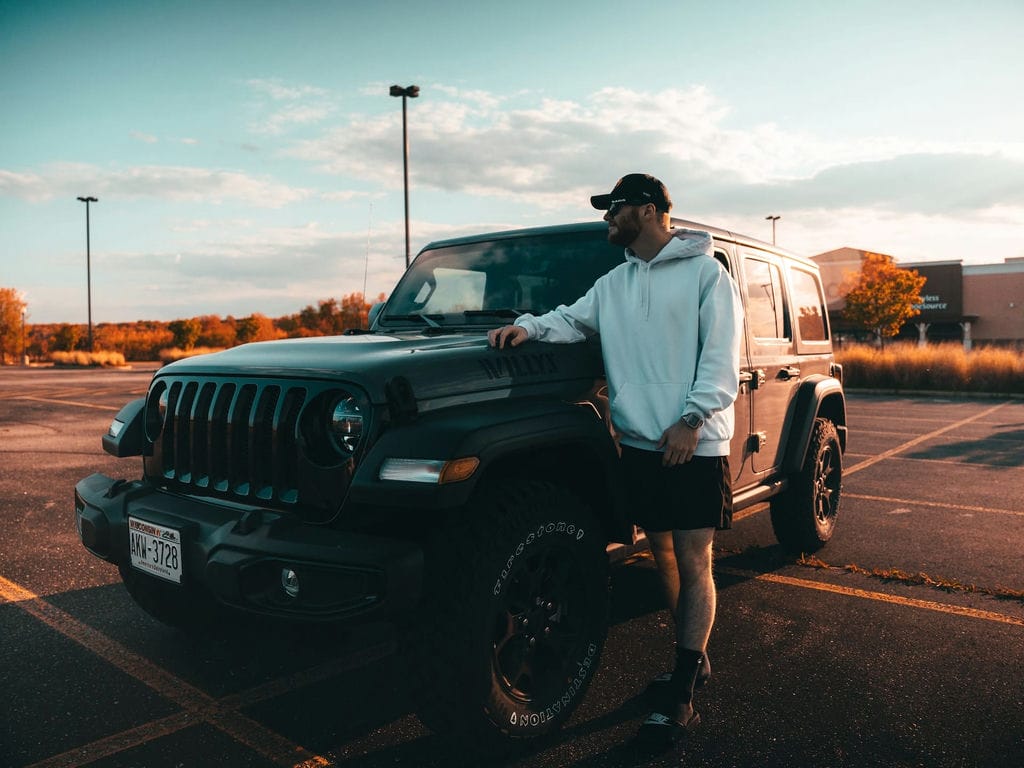
1. Jeep Wrangler: 7.3% first-year depreciation
The Wrangler tops the list for a reason that has nothing to do with luxury: demand for a body-on-frame, removable-top off-roader consistently outruns supply, and the aftermarket keeps older ones on the road. Buyers pay close to new-car money for used examples, which is exactly what a low depreciation number describes.
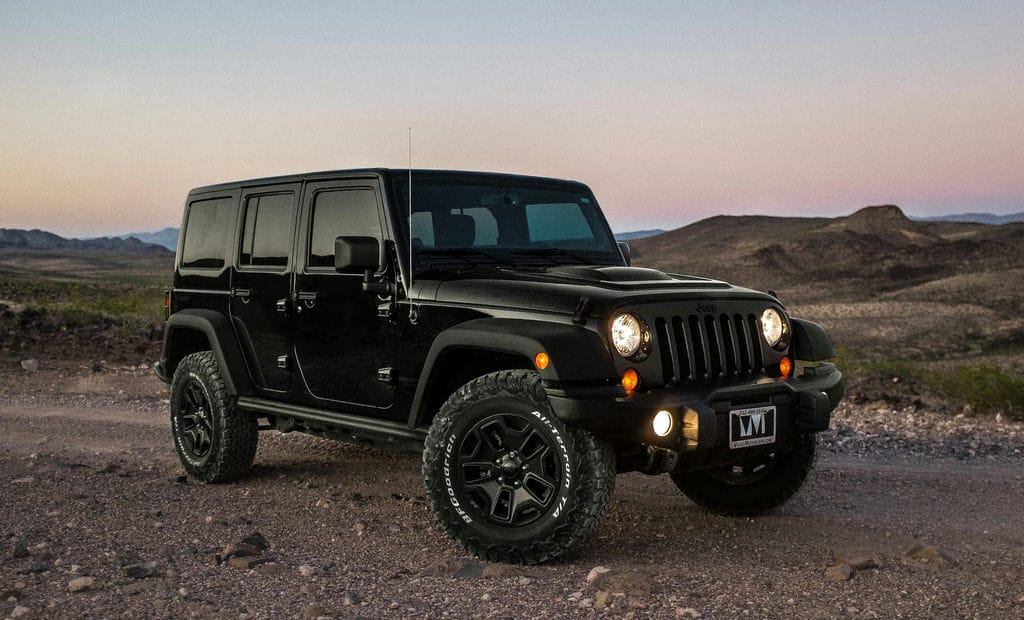
2. Jeep Wrangler Unlimited: 8.7% first-year depreciation
The four-door Unlimited holds nearly as well as its two-door sibling while adding back-seat room and cargo space. Its off-road hardware, on-road manners, and the party trick of removing the top, doors, and windshield keep the used market competitive.
3. Porsche 911: 14.6% first-year depreciation
The 911 is the rare six-figure car that does not fall off a cliff the moment it leaves the showroom. Decades of continuity in the model line, all-weather usability, and a driving experience buyers keep chasing give it a floor most expensive cars never find.
4. Toyota Tacoma: 14.9% first-year depreciation
The Tacoma is the midsize truck that people buy used on purpose. Toyota’s reliability reputation, off-road capability, and a body-on-frame design that tolerates work and weather all keep secondhand demand high, which is what props up resale.
5. Honda Civic: 16.3% first-year depreciation
The Civic is the value-retention benchmark among compact sedans. Low running costs, a long reliability record, and steady demand from first-time buyers mean a used Civic rarely sits on a lot for long.
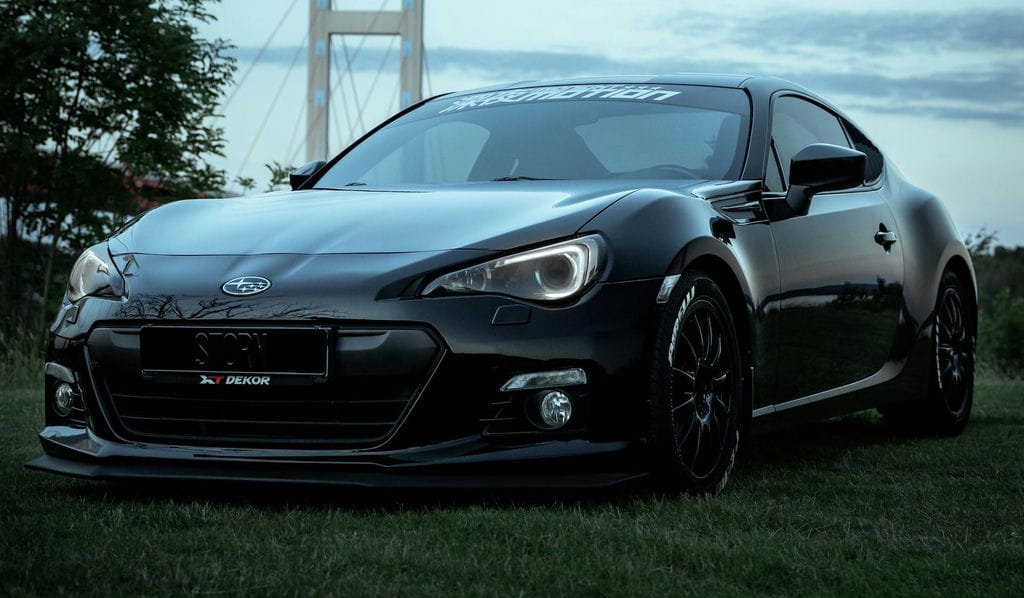
6. Subaru BRZ: 18.2% first-year depreciation
Subaru’s small, light rear-drive coupe has a devoted enthusiast following and modest production numbers, a combination that keeps used prices firm. Its flat-four engine and handling balance are the draw, not straight-line speed.
7. Ford Mustang: 19.4% first-year depreciation
The Mustang benefits from the same thing the 911 does on a different budget: an unbroken model line, a large enthusiast base, and performance variants that people seek out years later.
8. Toyota Corolla: 19.8% first-year depreciation
The second Toyota on the list, and for the same underlying reason. Fuel-efficient powertrains, a roomy rear seat, and a deep bench of standard driver assists make the Corolla a default choice in the used compact market.
9. Nissan Versa: 19.9% first-year depreciation
The Versa earns its place through affordability. When the entry price is low and the fuel economy is strong, the pool of buyers stays wide, and a wide buyer pool is what holds value.
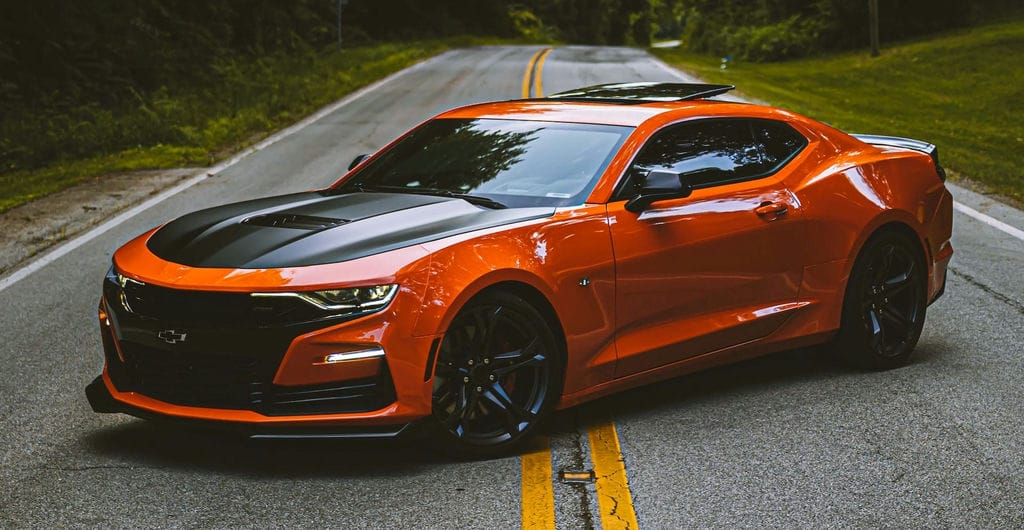
10. Chevrolet Camaro: 20.2% first-year depreciation
The Camaro rounds out the list on the strength of its performance-per-dollar reputation, from the turbocharged four up through the V-8. Chevrolet ended Camaro production after the 2024 model year, so the sixth generation is now a fixed, finite pool of cars.
What This Means If You Are Buying Out of State
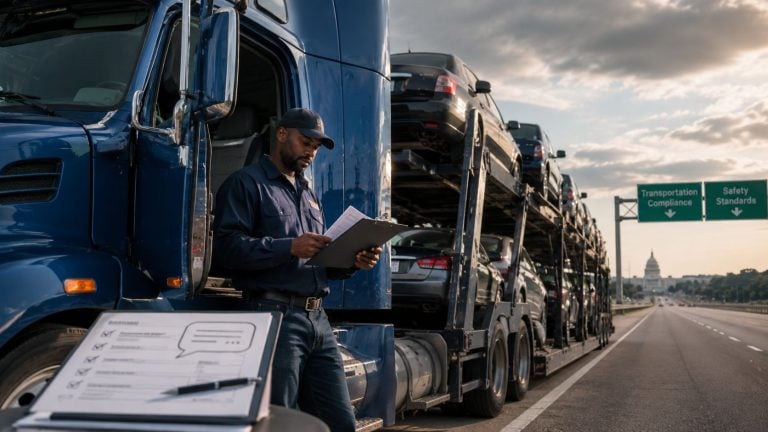
Value-retaining vehicles are exactly the ones buyers cross state lines for. A Wrangler, Tacoma, or 911 priced right two states away is often worth more than the local option, and the gap is frequently larger than the cost of transport. That is why so many of these purchases end with a carrier rather than a road trip: shipping protects the odometer and the condition you just paid for.
Two practical notes. First, for the higher-value cars on this list, an enclosed carrier is worth the premium of about a third over open transport. Second, document the vehicle’s condition at pickup with photographs, especially on a car you bought remotely, so the delivery inspection has a clear baseline.
Conclusion
Depreciation percentages shift with the market, but the logic behind them does not: scarcity, durability, and a reputation buyers trust are what keep a car worth something. If you are shopping with resale in mind, look for those three traits before you look at any list.
Whichever vehicle you decide on, Ship A Car, Inc. can transport it anywhere in the US, including Alaska and Hawaii. Contact us via our online quote form, price it with the instant calculator, or call (866) 821-4555.