What a Recall Means If Your Car Is Being Shipped
An open recall does not stop a car being transported, and in almost every case it should not change your plans. A recall notice is not a legal grounding order for a privately owned vehicle. What it does change is a small number of practical things worth knowing before the truck arrives, particularly if the defect affects whether the car can be driven onto a deck.
Here is what actually applies, for your car and for the truck carrying it.

An Open Recall Does Not Ground Your Car
For a vehicle you own privately, a recall is a manufacturer obligation to repair a defect free of charge. It is not a prohibition on driving, registering, selling or transporting the car. There is no federal rule stopping a private owner using a vehicle with an open recall.
The rules that do bite apply to dealers, who generally may not sell a new vehicle with an unremedied safety recall, and to commercial fleets in some circumstances. Neither is you.
So a car with an open recall ships exactly like any other car. Carriers do not check recall status and have no reason to.
The Case Where It Genuinely Matters
One category is worth taking seriously: a recall that affects whether the car can be safely driven under its own power.
Loading a vehicle onto a hauler means driving it up ramps, on to an inclined deck, and stopping it precisely. That is a low speed maneuver that depends entirely on steering and brakes working. If the recall concerns steering, braking, or unexpected loss of power, say so when you book. The vehicle may need to be treated as inoperable and winched, which requires a carrier equipped for it.
The other one to declare is a recall involving fire risk, most often battery or electrical. Some carriers have their own policies about carrying vehicles under an active fire-risk recall, particularly in an enclosed trailer. It is a short conversation at booking and an expensive surprise at the curb.
Check Before You Ship, Not After
Checking takes two minutes and is free. The manufacturer and the federal safety regulator both provide a VIN lookup that returns any open recall on your specific vehicle rather than on the model generally.
Doing it before shipping is worth it for a reason that has nothing to do with transport: if the car is moving to a new state, the dealer network changes, and it is easier to have a recall repaired where you already have a relationship than to arrange it as a newcomer. A recall repair is free at any franchised dealer, but scheduling one is simpler where you are known.
Recalls on the Truck Carrying Your Car
The commercial side works differently, and more strictly.
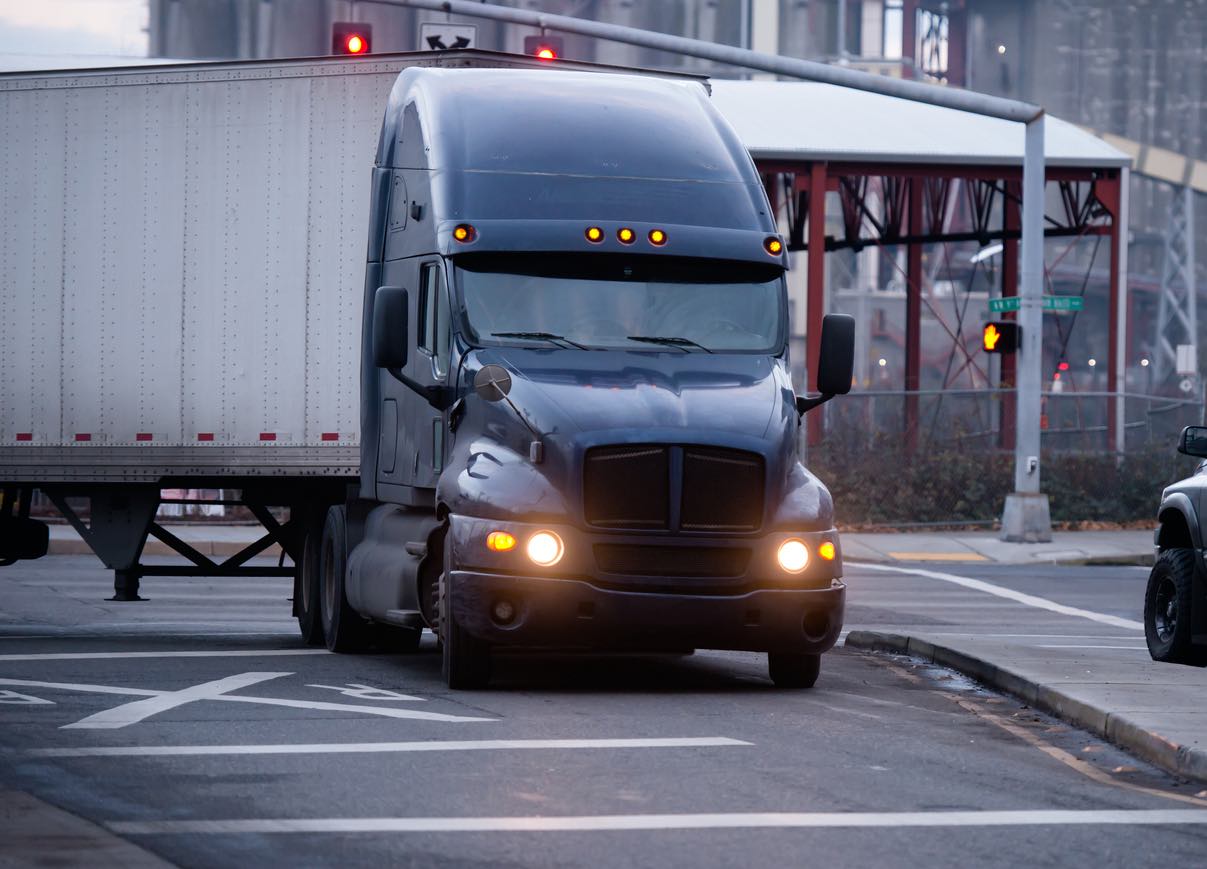
Heavy truck recalls, when they involve something like steering or braking, can put a carrier’s equipment out of service until the repair is done. A carrier operating a truck with an unremedied out-of-service defect is exposed at any roadside inspection, and that shows up in the safety data anyone can look up.
That is one small argument for checking a carrier’s record rather than taking a quote at face value. It is covered in our page on how carrier safety ratings work, and the vehicle maintenance category is exactly where recall-related failures land.

If a Recall Is Announced While the Car Is in Transit
It happens, and the answer is straightforward: nothing needs to be done mid-journey.
The vehicle continues, the notice reaches you as the registered owner, and the repair is arranged at the destination. There is no mechanism by which a recall announced on a Tuesday obliges a carrier to stop on a Wednesday, and none by which you lose your entitlement to a free repair by having moved.
Update your address with the manufacturer once you arrive. Recall notices go to the registered owner at the address on file, and a move is the most common reason people never receive one.
Recalls Versus Service Campaigns
Two things arrive looking similar and are not the same. A safety recall is a defect that creates an unreasonable risk, reported to the federal regulator, with a free repair and a public record against your VIN. A service campaign or technical service bulletin is a manufacturer-initiated fix for a quality problem that is not a safety defect, and it may or may not be free.
Only the first appears in a VIN recall lookup. If a dealer mentions an outstanding campaign that does not show up in your search, that is why, and it is worth asking who pays before agreeing to it.
Preparing the Car
Nothing recall-specific, beyond the declaration above. The usual applies: wash it so existing marks show, photograph every panel in daylight including wheels, lower bumpers, rocker panels and the odometer, leave about a quarter tank of fuel, and empty the cabin completely since personal items are not covered by cargo insurance.
If the vehicle has a known defect that affects starting or moving, write down what it does and how to work around it, and hand that over with the key rather than assuming the driver will work it out.
Common Questions
Can a car with an open recall be shipped? Yes. A recall is a manufacturer repair obligation, not a prohibition on transporting a privately owned vehicle.
When does it matter? When the defect affects steering, braking, power delivery or fire risk. Declare those, because the car may need winching or a specific carrier.
How do I check? A VIN lookup with the manufacturer or the federal safety regulator returns open recalls on your specific car.
What if a recall is announced mid-transit? Nothing stops. The repair is arranged at the destination and remains free.
Should I have it repaired before moving? Usually easier, since you already have a dealer relationship where you are.
Get a Quote
Call Ship A Car, Inc. at (866) 821-4555 with both zip codes, your date range and any defect that affects starting, steering or braking, or request an estimate for the move through the quote calculator.