
EV Price Wars: Why Electric Car Prices Keep Moving, and How to Buy Into It
Electric vehicle pricing behaves unlike anything else in the car market: list prices that drop five figures overnight, used values that follow them down, and lease deals that quietly undercut both. None of it is random. The mechanics are knowable, and a buyer who understands them stops being a victim of the volatility and starts using it.
Here is why EV prices move the way they do, who wins and loses each round, and how to time a purchase inside it.

Why EV Prices Move Like Tech Prices
Three structural reasons, none of which apply to gasoline cars in the same degree.
Battery cost is the price. The pack is the single largest cost in the car, and its cost falls with chemistry and scale in a way engines never did. When the input drops, the leader can reprice the whole product, and force everyone else to follow with margins they may not have.
One player sets the market. Tesla’s share means its list-price changes act like a market-wide announcement: a cut ripples into competitor incentives within weeks and into used values within days. No gasoline brand has that lever.
Incentives whipsaw the net price. Federal credit eligibility shifts with sourcing rules and income caps, states add and exhaust their own programs, and a car’s real price can change without the sticker moving at all.
There is also a demand-side driver worth naming: EV buyers cross-shop against gasoline cars in a way early adopters never did. When the mainstream buyer compares a Model 3 payment against a Camry payment, electric pricing loses the premium insulation it enjoyed for a decade, and every fuel-price swing and interest-rate move feeds straight into what the segment can charge. The price war is not a promotion that will end; it is what maturity looks like in a segment that used to price like a gadget and now prices like a car.
Who Wins and Loses Each Round
New buyers win since each round of cuts buys more range and equipment per dollar, and dealers holding old-price inventory negotiate like they mean it.
Recent buyers lose on paper. A cut reprices every identical car already on the road. It stings, it is not recoverable, and it is the strongest argument for buying on need rather than on hype cycles: the buyer who waited for the perfect moment and the buyer who ignored pricing entirely both did better than the one who tried to trade the swings.
Used values absorb the shock. Used EVs have depreciated faster than gasoline equivalents partly because every new-price cut resets their ceiling. That is bad for sellers and quietly excellent for second owners: the used EV, post-cut, is where the value concentrates.
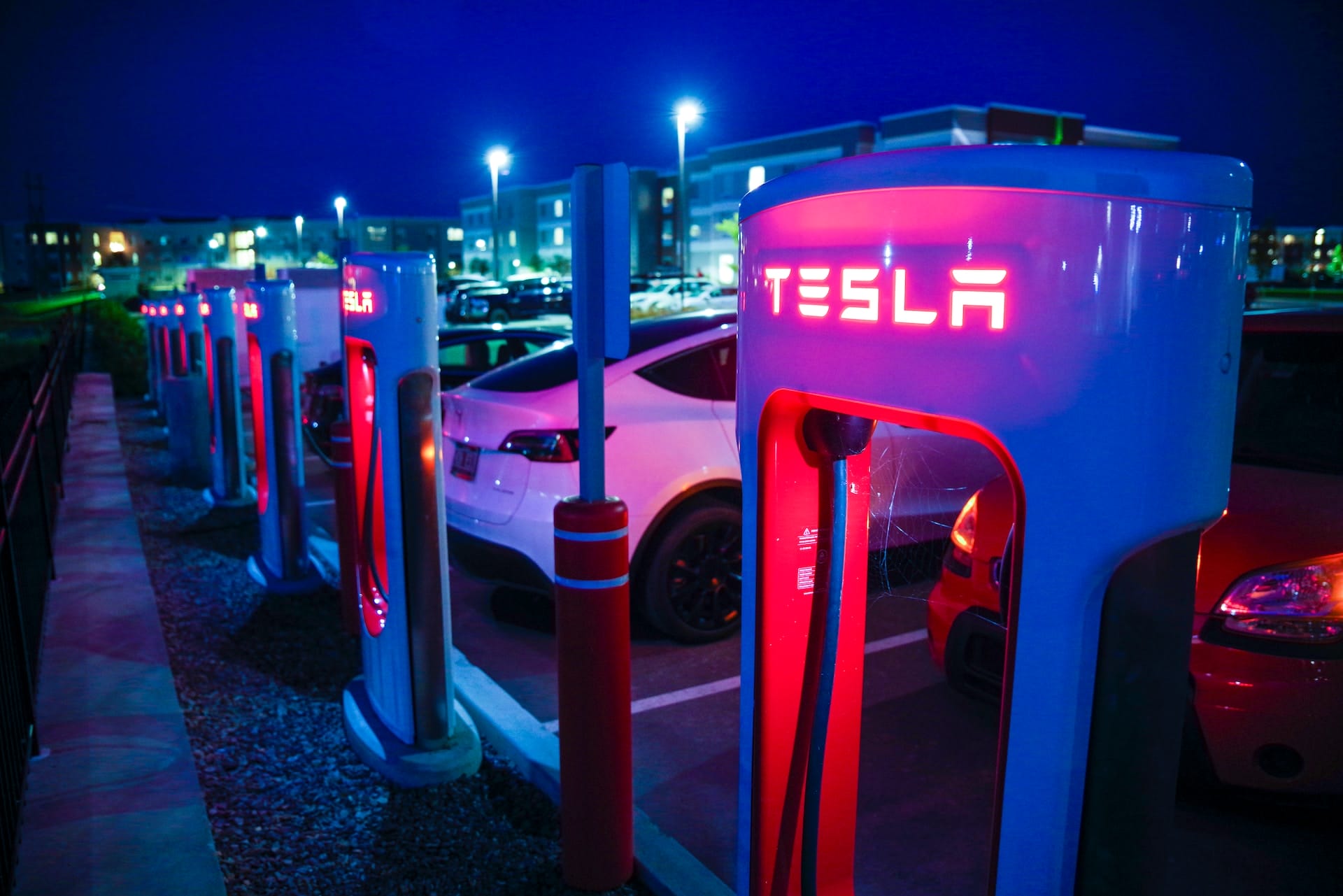
Leasing splits the difference. Because the leasing company owns the residual risk, lease pricing can pass through incentives that purchases cannot, and it insulates you from the next cut. In a falling-price market, the lease case for EVs is structurally stronger than for gasoline cars.
How to Buy Into a Price War
Decide the car first, then stalk the net price. Track the transaction price (sticker minus incentives minus the credit you actually qualify for), not the headline. The federal layer turns on income caps, price caps and assembly sourcing; the state and utility layers are covered in our page on the EV incentives people miss.
Shop the used side after each cut settles. Two to four months after a major new-price cut, the used market has fully repriced and the second-owner deals are at their best, with the model year sweet spot usually sitting where the warranty still transfers and the biggest early-year software complaints have been patched, and battery health, not mileage, as the number to verify, per our guide to EV battery health.
Compare the lease honestly. Ask where the incentive went in the payment. In this market a lease quote that looks too good may simply be the pass-through working as designed.
Cross-shop nationally. Price wars land unevenly by region: inventory pressure differs, state incentives differ, and the same car can carry a materially different net price two states away. The popular models and why they dominate are in the most popular EVs in America.
Where Transport Fits
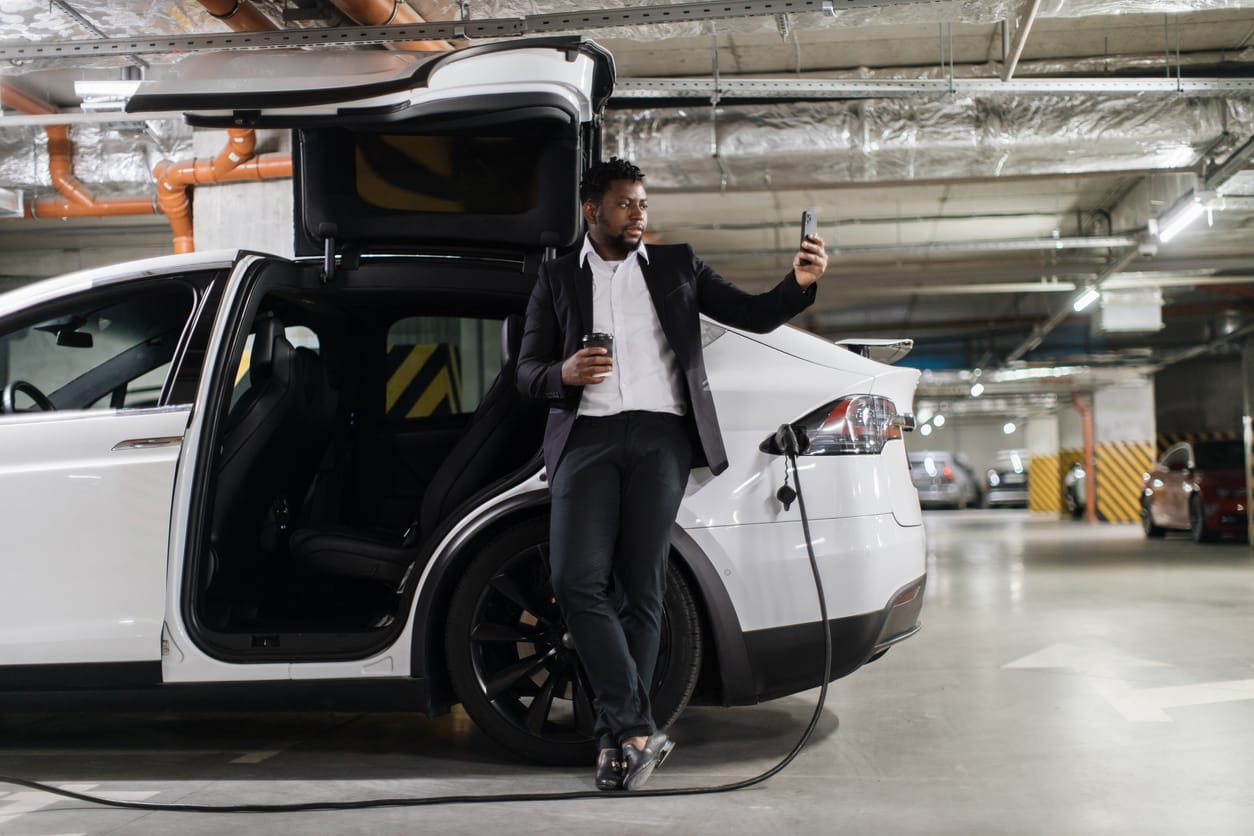
National cross-shopping only works if the car can come to you, and EVs ship routinely with two notes worth declaring: weight, which runs several hundred pounds over the gasoline equivalent and matters on a trailer with a legal limit, and charge, which carriers prefer mid-level rather than full or empty. If the car has a transport mode or cannot roll in neutral, write the procedure down and hand it over with the key. On a purchase driven by a regional price gap, the transport cost is the arithmetic that decides whether the gap is real; it usually is, and our page on what determines the cost of shipping a car prices the variable side.
Common Questions
Why do EV prices drop so suddenly? Falling battery costs give the market leader room to reprice, and its cuts force the rest of the segment to respond within weeks.
Should I wait for the next cut? If you need the car, buy the net price in front of you, and prefer a lease if falling values worry you, since the residual risk sits with the lessor.
Are used EVs a good deal now? After each cut settles, often exceptionally, provided the battery health report is good and the warranty transfers.
Why do prices differ by state? Incentive layers and inventory pressure are regional. Cross-shopping nationally and shipping the car frequently beats the local net price.
Does shipping an EV differ? Weight and charge level, both declared at booking, plus any transport-mode procedure handed over with the key.
Get a Quote
Call Ship A Car, Inc. at (866) 821-4555 with both zip codes, your date range and confirmation the vehicle is electric, or price the move with the instant calculator.