America’s Best-Selling Cars, and Why They Are the Cheapest to Ship
There is a direct link between how many of a car were built and what it costs to move one. High-volume models are the cheapest and easiest vehicles to transport: they fit standard carrier slots without thought, every driver has loaded hundreds of them, and there is no anxiety about a rare panel. The exceptions are the ones that stopped being ordinary cars and became collectibles. A 1968 Beetle and a 2019 Corolla are the same nameplate lineage and completely different shipping jobs.
The Nameplates That Sold the Most
Figures vary by source depending on whether generations and rebadges are counted together, so treat these as well-established approximations rather than exact totals.
The pattern is consistent. None of these won on excitement. They won on being affordable to buy, cheap to fix and difficult to kill, which is also why so many are still on the road decades later.
Why Volume Makes a Car Cheap to Ship
Three things follow from a model being everywhere.
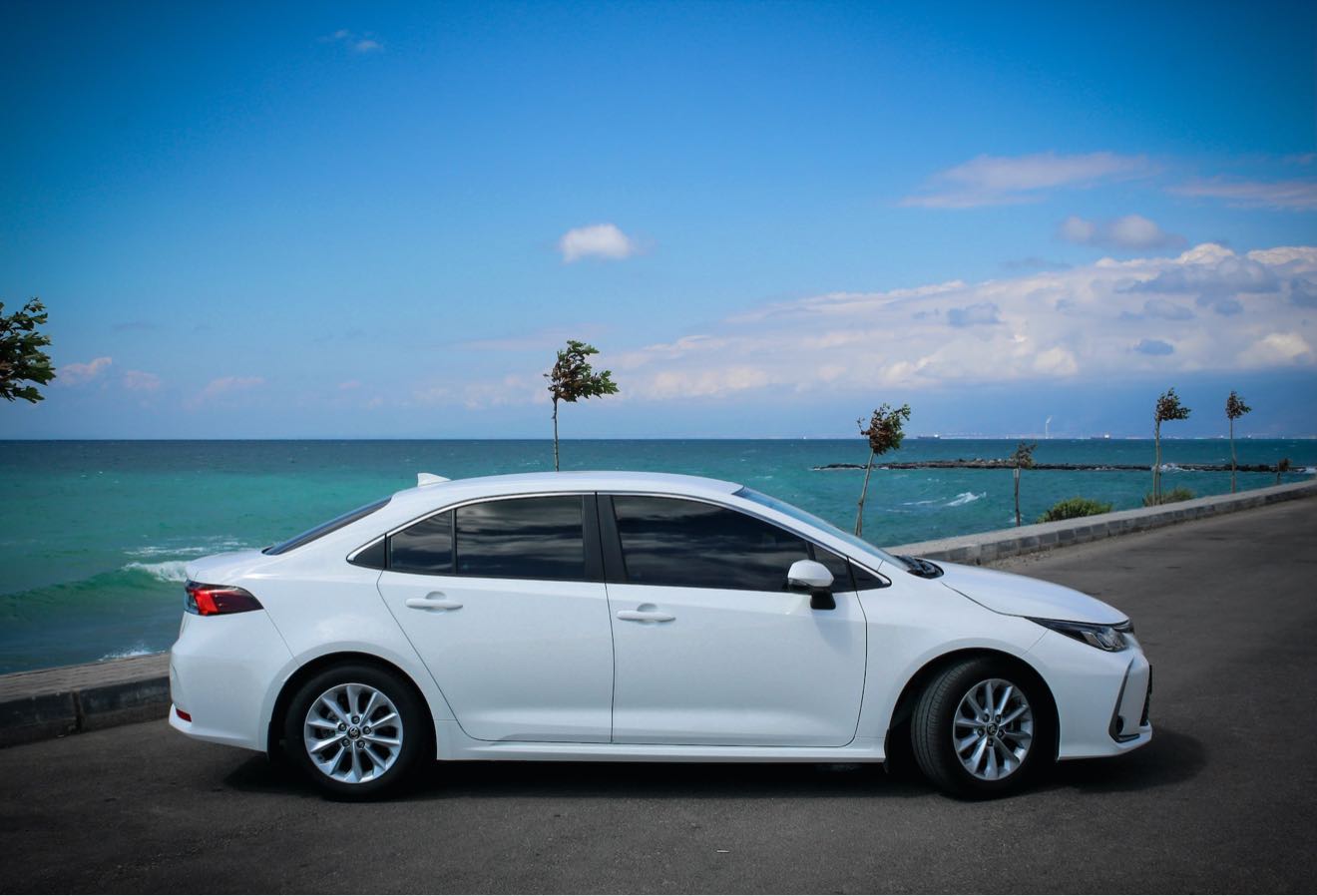
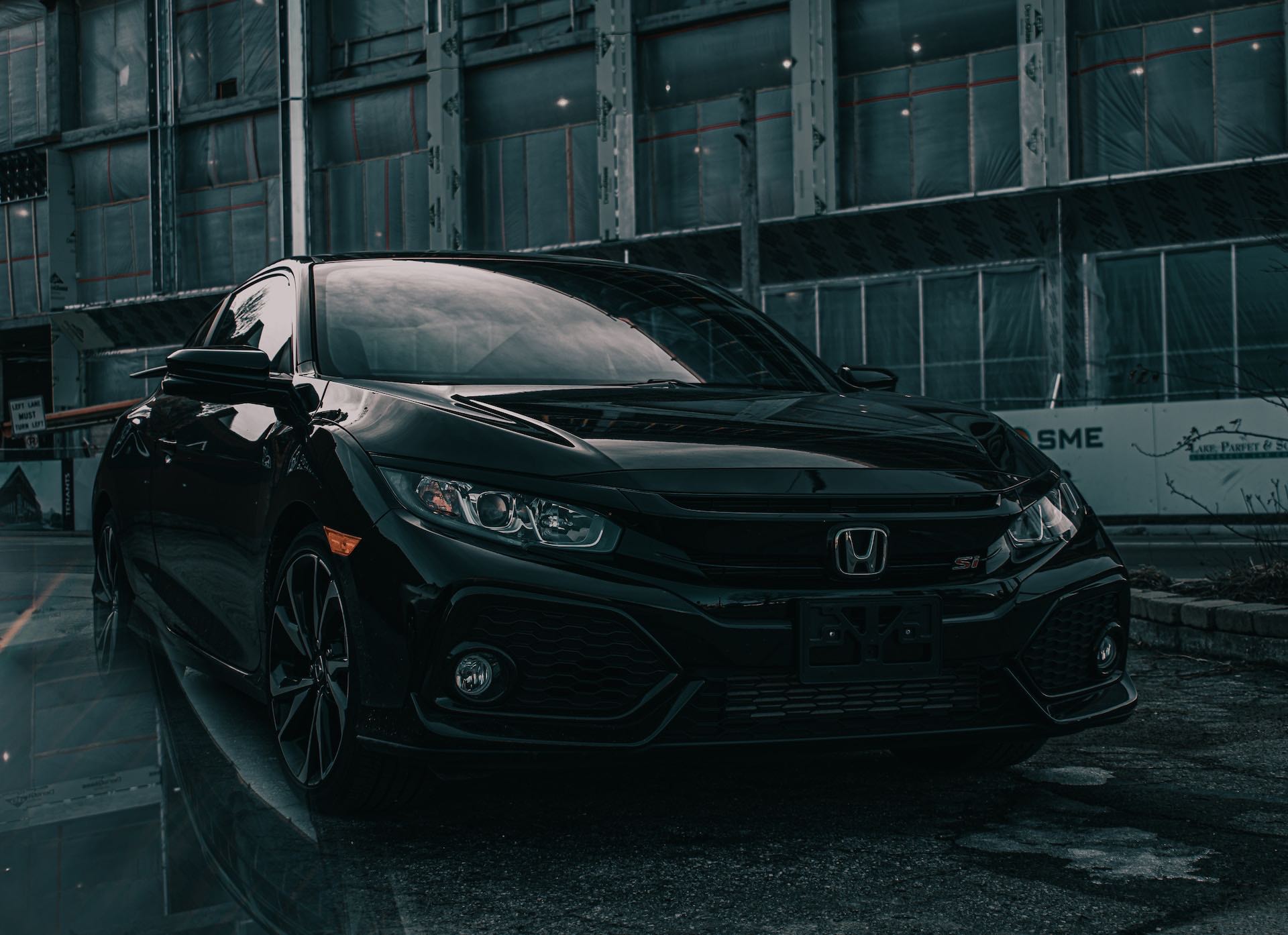
It fits. A Corolla, Civic or Camry sits comfortably within the dimensions every open carrier is built around, so it can take any slot on the trailer rather than only the lower deck. More eligible slots means faster matching and better pricing.
It is familiar. A driver who has loaded a thousand Civics knows the tie-down points and the ground clearance without checking, which matters because loading errors are where damage happens.
It is replaceable. Cargo insurance covers a common car’s value comfortably, and if a mirror is damaged the part is available anywhere. That is a quieter benefit than it sounds, and it is exactly what the owner of something rare does not have.
The F-Series Exception
The Ford F-Series has topped American sales for decades, but it does not ship like the sedans on the list. It is a full-size pickup, which means more deck space and more weight, so it costs meaningfully more than a compact car on the same lane.
Modified examples cost more again. A lift, oversized tires or a bed rack raise the loaded height and push the truck to the lower deck, reducing the slots available to it. Measure to the highest fixed point before requesting a quote rather than quoting the factory figure.
When a Best-Seller Becomes a Classic
This is where the arithmetic inverts. An original Beetle or a Model T is no longer a common car; it is a collectible with a value that has nothing to do with what it cost new, and shipping one is a different service entirely.
Three things change. Enclosed transport becomes the sensible default rather than an upgrade, at about a third over open. The car may not run or may not be safe to drive onto a ramp, which means winching and adds roughly $100 to $250. In our own book since 2023, the middle half of non-running vehicles ran $750 to $1,400 against $850 to $1,500 for running cars on open carriers. Compared like for like on open transport only, our non-running orders ran $750 to $1,350: lower, because they skew to shorter lanes, not because winching is free. And the cargo limit matters: standard coverage is written around ordinary vehicles, so a car worth well above that needs supplemental cover arranged before pickup.
Low ground clearance is the practical trap. Many pre-war and early post-war cars cannot clear a standard loading ramp angle, so the carrier needs a liftgate or low-angle ramps. Say so when you book rather than discovering it with a truck on site.

What This Means When You Are Quoting
Give the actual model, trim and curb weight rather than a category. “Sedan” covers a Civic and a full-size luxury car that differ by half a ton, and the quote is built from what you describe. If the car is a classic, non-running, lowered or modified, say so at the start: every one of those changes the equipment sent, and all of them are cheaper to plan for than to discover.
Common Questions
Which car has sold the most? The Toyota Corolla, comfortably, as a nameplate spanning generations since the 1960s. The Ford F-Series leads in the United States specifically.
Does a popular model really ship cheaper? Yes, modestly. It fits any deck slot, drivers know it, and it is easy to insure. Rarity and awkward dimensions both add cost.
Is a pickup more expensive than a car? Noticeably, because a carrier sells deck space and payload and a full-size truck uses more of both.
Should a classic go enclosed? Almost always. The premium is small against the value at risk, and enclosed carriers are better equipped for low-clearance loading.
Can you ship a car that does not run? Yes, with a winch, for roughly $100 to $250 extra. Disclose it when quoting so the right equipment arrives.
Get a Quote
Call Ship A Car, Inc. at (866) 821-4555 with the year, model and whether it runs, or request an estimate for the move through the quote calculator.