Oral Fluid Drug Testing for Truck Drivers: What Changed
The Department of Transportation approved oral fluid testing as an alternative to urine for federally mandated drug tests, and the practical significance is not the sample type. It is that a saliva test can be collected under direct observation without the dignity problem, and that its detection window catches recent use rather than use from days ago. That combination changes what a test actually screens for.
What Actually Changed
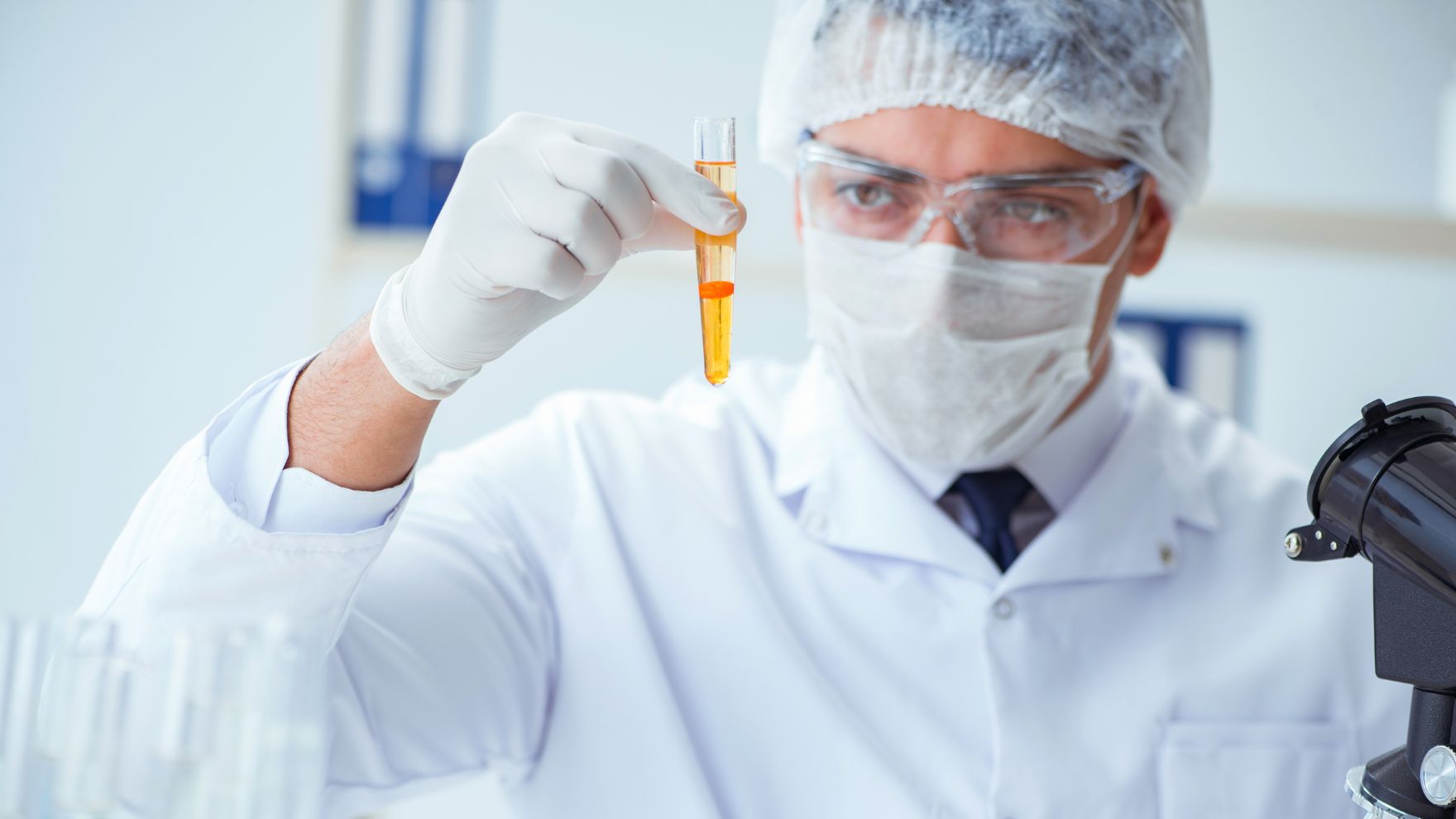
Federal drug testing for safety-sensitive transportation employees, which includes commercial truck drivers, had relied on urine testing exclusively. The DOT rule added oral fluid as a permitted alternative.
Employers may choose which method to use in most circumstances, with specific rules about when each is required. The tests screen for the same substance panel and the same federal standards apply to the laboratories performing them.
Implementation has depended on certified laboratory capacity, since a laboratory has to be federally certified for oral fluid specifically. Confirm the current requirements and available options with the Department of Transportation or the Federal Motor Carrier Safety Administration rather than relying on any summary, because operational details in this area have moved.
Why Oral Fluid Was Added
Two problems with urine testing drove it, and they are worth understanding because they explain what the new option is good at.
Cheating. Urine collection is normally unobserved, for obvious privacy reasons, and that gap is what substitution and adulteration products exploit. An oral fluid sample is taken from the donor’s mouth in front of the collector, which removes the opportunity almost entirely.
Access. A urine collection needs a facility with appropriate plumbing and privacy. An oral fluid collection needs a collector and a kit, which means it can be done at a terminal, at a roadside, or anywhere a driver actually is. For a workforce that is by definition mobile, that is a genuine operational gain.
The Detection Window Is the Real Difference
This is the part that matters most and is least understood.
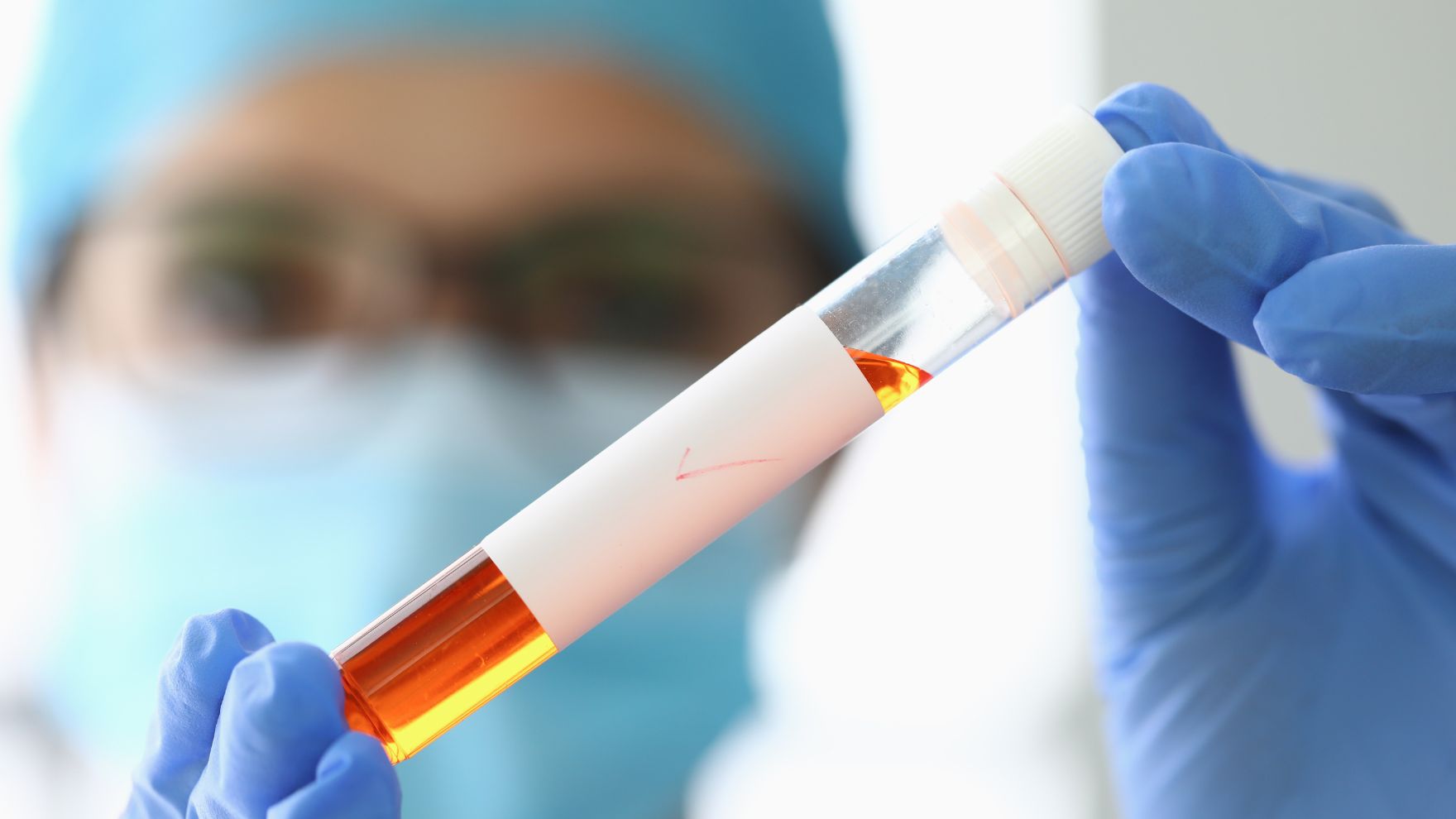
Urine testing generally detects substances over a longer period after use, in some cases many days, and for cannabis considerably longer in a frequent user. Oral fluid generally reflects a shorter and more recent window.
That makes oral fluid better at answering “is this person impaired or recently using” and worse at answering “has this person used in the last week”. Which of those questions an employer wants answered is a policy choice, not a technical one.
For post-accident and reasonable-suspicion testing, where the question is about recent use, the shorter window is an advantage. For pre-employment screening, where the question is about a pattern, the longer window has its own logic. Neither test is simply better.
What Happens to a Sample
The chain of custody is the same discipline that applies to urine, and it is worth knowing because it is what makes a result defensible.
The collector prepares the kit in front of the donor, the donor provides the sample, and it is sealed and labeled in the donor’s presence with a chain of custody form that follows it to the laboratory. A split specimen is retained so the donor can request an independent test of the second portion if the first comes back positive.
An initial screening test is followed, on any non-negative result, by a confirmation test using a more specific method. Only a confirmed result goes to a medical review officer, who is a licensed physician. The medical review officer contacts the donor before reporting anything, because a legitimate prescription is the most common innocent explanation for a positive screen.
None of that is new with oral fluid. What is worth understanding is that a positive screening result is not a finding against anyone until it has been confirmed and reviewed, and the driver has an opportunity to explain it.
What It Means for Drivers
Practically, less disruption.
A saliva collection is quicker, does not require finding a collection site with the right facilities, and does not involve the awkwardness of a directly observed urine collection where one is required. For a driver on the road, avoiding a detour to a clinic is worth real time.
The consequences of a positive result are unchanged. A verified positive removes a driver from safety-sensitive duties and is reported to the FMCSA Drug and Alcohol Clearinghouse, and returning to duty requires completing the return-to-duty process with a substance abuse professional.
Cannabis remains the specific difficulty. It is federally prohibited for safety-sensitive transportation employees regardless of state law, and a driver in a state where it is legal is still subject to the federal standard.
What It Means for Carriers
Faster collections, fewer missed tests and a harder test to defeat.
The operational gain is largest for random testing, which is where scheduling has always been the friction. A test that can be administered where the driver is, rather than requiring the driver to go somewhere, reduces the time a truck sits.
Against that, employers have to set up compliant collection procedures, train or contract collectors, and use a certified laboratory. That is a real implementation cost, particularly for small carriers, which is much of why adoption has been gradual.
Why This Reaches You
It is one strand of a larger picture that does affect anyone shipping a vehicle.

Drug and alcohol testing, the Clearinghouse, roadside inspections and carrier safety records together are the mechanism that keeps unsafe operators off the road. A testing regime that is harder to cheat means the safety record you can look up before booking is a more honest document.
The practical use of that is unchanged: before you book, check the carrier’s authority and inspection history in the FMCSA’s public system. Our guide to what roadside inspections tell you covers how to read it.
Common Questions
Does oral fluid testing replace urine testing? No. It was added as a permitted alternative, and employers may choose between them within the rules.
Why was it added? It can be collected under direct observation without the privacy problem, and it does not need a facility with special plumbing.
Does it detect the same things? The same substance panel, but generally over a shorter and more recent window than urine.
Is cannabis treated differently? No. It remains federally prohibited for safety-sensitive transportation employees regardless of state law.
Why does any of this matter to a customer? Because it is part of what makes a carrier’s published safety record meaningful, and that record is what you should check before booking.
Get a Quote
Call Ship A Car, Inc. at (866) 821-4555 with both zip codes and your date range, or request an estimate for the move through the quote calculator.