What Makes a Car Reliable, and What Reliability Means When You Ship One
Reliability rankings change every year but the reasons behind them barely move, and the same handful of manufacturers keep appearing near the top. Understanding why is more useful than memorizing a list, and it matters more than people expect when a car is going to sit on a truck for several days and be started by somebody who has never driven it.
Why the Same Names Keep Winning
Three things separate consistently reliable cars from the rest, and none of them is glamorous.
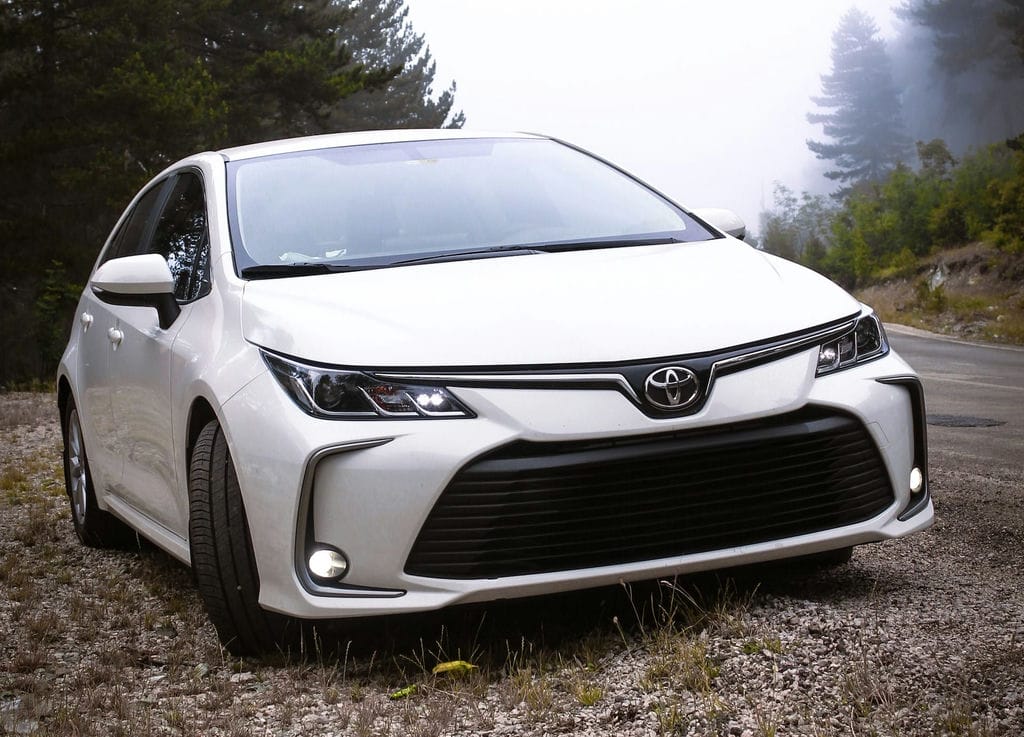
The first is conservative engineering. Manufacturers that introduce a new engine or transmission gradually, and carry proven parts across models and generations, have fewer failures than those that redesign everything at once. Toyota and Honda have built their reputations on exactly this, and it is why their hybrid systems, now more than two decades old, rank so well.
The second is simplicity. Every additional system is another thing that can fail. Cars loaded with air suspension, complex infotainment, powered everything and large touchscreens report more problems than simpler cars from the same maker, and much of what gets counted as unreliability now is electronics rather than drivetrain.
The third is production maturity. A model in its fourth year has had its early problems found and fixed. A first-year redesign, however good the badge, is where faults show up. Buying the year before a redesign is one of the most reliable decisions available.
The Hybrid Question
Conventional hybrids consistently rank among the most reliable powertrains on the road, which surprises people who expect complexity to hurt.

The reason is that a hybrid is gentler on its own components. The engine runs less, often at more efficient loads. The electric motor handles low-speed work and provides regenerative braking, so brake pads on a hybrid routinely last far longer than on a conventional car. There is no starter motor or alternator in the traditional sense, and no conventional automatic transmission in the systems that use a planetary split.
Full electric cars are a mixed picture. The drivetrain has very few moving parts and is extremely durable; the problems that get reported are software, charging equipment and build quality on newer entrants rather than motors and batteries.
What Reliability Rankings Do Not Tell You
Read them with two caveats.
Predicted reliability for a brand new model is an estimate based on the maker’s history, not on that car. And most surveys count all reported problems equally, so a car with a frustrating touchscreen can score below one with a marginal transmission, which is not the same risk to your wallet.
Cost of ownership is a separate question from failure rate. A car that rarely breaks but is expensive when it does, and expensive to insure and service, may cost more to run than a slightly less reliable but cheaper one.
Maintenance Does More Than the Badge
Across every survey, the gap between a well-maintained car and a neglected one from the same production line is larger than the gap between the most and least reliable manufacturers. That is worth sitting with before choosing a car on rankings alone.
Oil changes at the interval, transmission fluid actually replaced rather than described as filled for life, coolant renewed on schedule and a timing belt done when the book says are what separate a car that reaches 250,000 miles from one that does not. None of it is expensive relative to the repair it prevents.
This is also why service history matters more than mileage when buying used. A 90,000 mile car with a complete record is a better bet than a 50,000 mile car with none, on any badge.
Ask for the records, look at whether the intervals were actually kept, and treat gaps as questions rather than as nothing. A car bought on paperwork rather than on a reputation is the one that turns out reliable.
Why This Matters When Shipping
A vehicle in transit is started, moved a few feet, parked, and started again several days later by a driver who has never seen it before. Ordinary reliability problems become logistical ones.

A weak battery is the single most common problem. A car that starts fine on your driveway every morning may not start after five days on a trailer, and a vehicle that will not move under its own power at delivery is handled as an inoperable vehicle, which costs more and takes longer.
Test the battery before the vehicle is collected, not after. This applies doubly to a car that has been sitting, and to any vehicle with a keyless system that keeps drawing power.
Fluid leaks matter too. A slow drip that is a nuisance in your garage is a problem on somebody else’s trailer with another car parked below. Fix it or declare it.
Preparing Any Car for Transport
Wash it so existing marks are visible, then photograph every panel in daylight, including the wheels, the lower bumpers and the rocker panels, which are what loading marks.
Leave about a quarter tank of fuel. Empty the cabin and the trunk, since personal items are not covered by cargo insurance and they add weight. Fold the mirrors, disable a motion sensitive alarm, remove a toll transponder and hand over a key.
Tell the carrier anything a driver needs to know to move the vehicle: a fussy starter, a clutch with an unusual bite, an alarm that arms itself, a gear selector that needs a specific sequence. At delivery, inspect before signing and note anything unexpected on the bill of lading while the driver is present.
Buying a Reliable Car Out of State
The most reliable used cars are the ones everybody wants, so local supply is thin and prices are firm. Widening the search across several states usually finds both a better car and a better price.
Shipping it home rather than flying out and driving back frequently costs less once airfare, lodging, fuel and your own time are counted, and it puts no miles on a car you have just bought. Arrange the transport once the sale is agreed but before you pay in full. Our first time car shipping guide covers the process end to end.
Common Questions
Which manufacturers rank most reliably? The ones that engineer conservatively and carry proven parts forward. Toyota and Honda have led on that approach for decades.
Are hybrids reliable? Consistently, yes. The engine works less, the brakes last longer, and the mature systems have two decades of development behind them.
Should I avoid a first-year model? If reliability is your priority, yes. Faults surface in year one and are fixed by year three or four.
What is the most common problem when shipping a car? A weak battery. Test it before collection, because a car that will not start at delivery is treated as inoperable.
Do reliability rankings measure cost? No. They count reported problems. A car that rarely fails can still be expensive to insure, service and repair.
Get a Quote
Call Ship A Car, Inc. at (866) 821-4555 with both zip codes, the year, make and model, and whether the vehicle runs and drives, or price the move with the instant calculator.