Consolidation in Vehicle Logistics: What DP World’s Expansion Signals
Why a port operator buying a vehicle logistics specialist matters to you: it is one visible piece of a broader consolidation in how finished vehicles move around the world. When ocean terminals, inland transport and vehicle processing end up under fewer roofs, the practical effects reach ordinary shippers as pricing, capacity and lead times, particularly on international and island routes.
What Actually Happened
DP World, one of the largest global port and logistics operators, acquired CFR Rinkens, a specialist in vehicle export and container-based vehicle shipping. The strategic logic is straightforward: DP World runs terminals and inland networks, CFR Rinkens runs the specialized handling that finished vehicles require. Combining them puts more of a vehicle’s international journey inside one organization.
This is the same integration pattern visible across freight generally, where operators who once did one link now try to own several.
Why Vehicles Are a Specialist Business
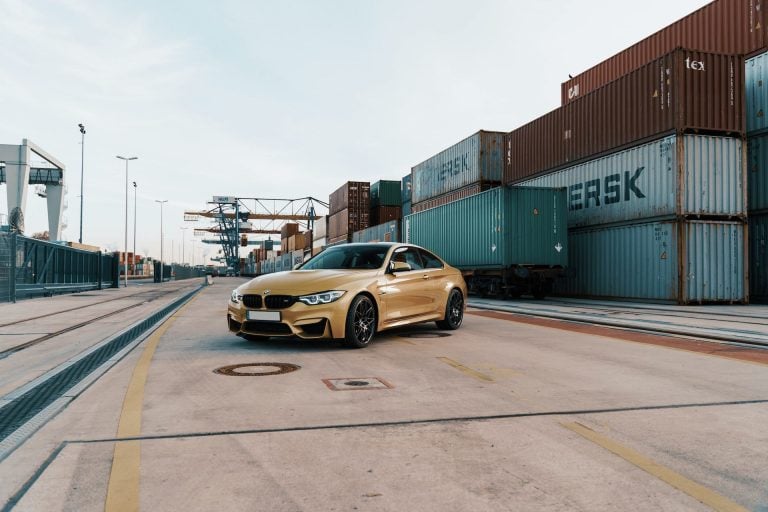
Finished vehicles are awkward cargo. They are high value, easily damaged cosmetically, cannot be stacked like boxes, and arrive with condition documentation that carries financial consequence. Two methods dominate international movement:
How Vehicles Cross Oceans
What Consolidation Tends to Change
Honestly, the effects cut both ways and it is too early to be definitive about any single deal. Integration can shorten handoffs, reduce the number of parties who can lose a vehicle, and produce more reliable schedules. It can also reduce the number of independent operators competing on a given lane, which historically does not lower prices.
For a US consumer shipping one vehicle internationally, the practical near-term reality is unchanged: the timeline is set by sailing schedules and customs paperwork rather than by who owns the terminal.
Where This Touches Domestic Shipments
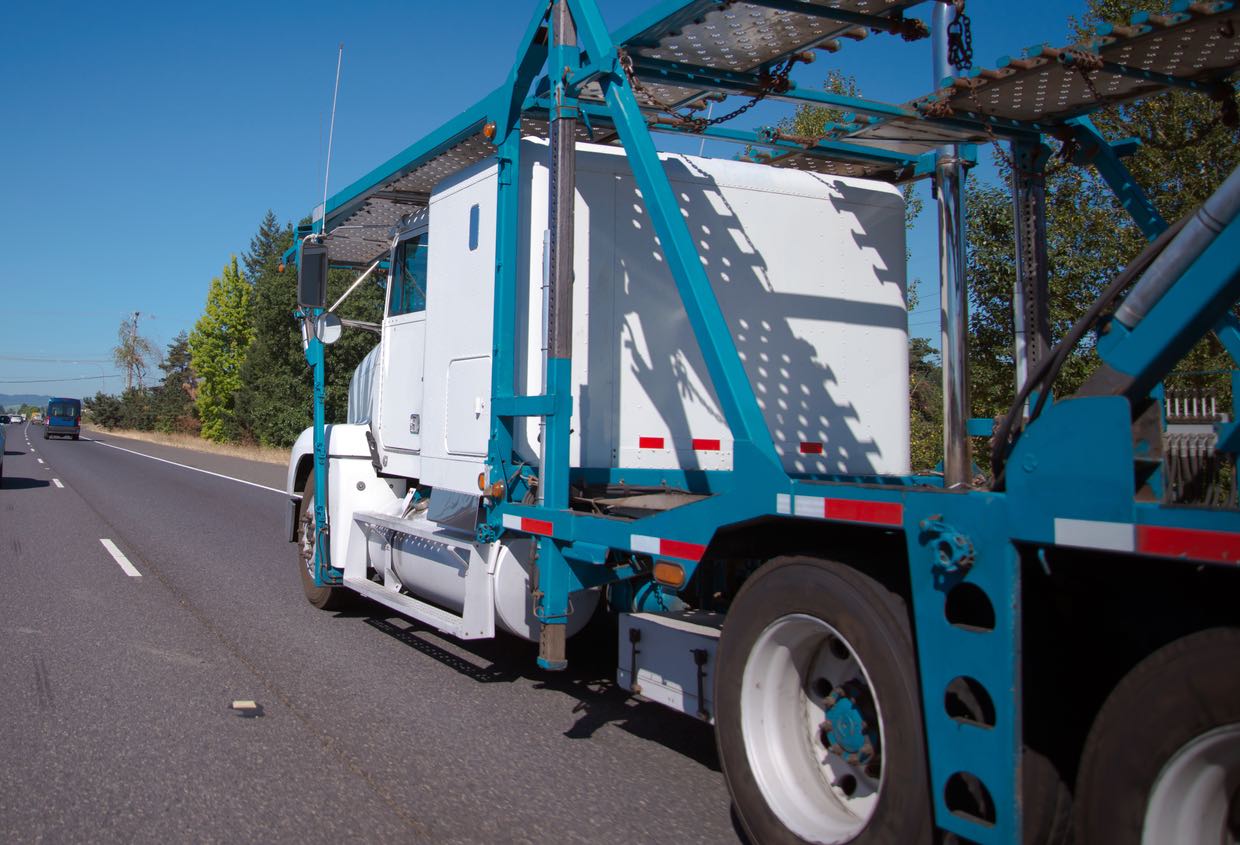
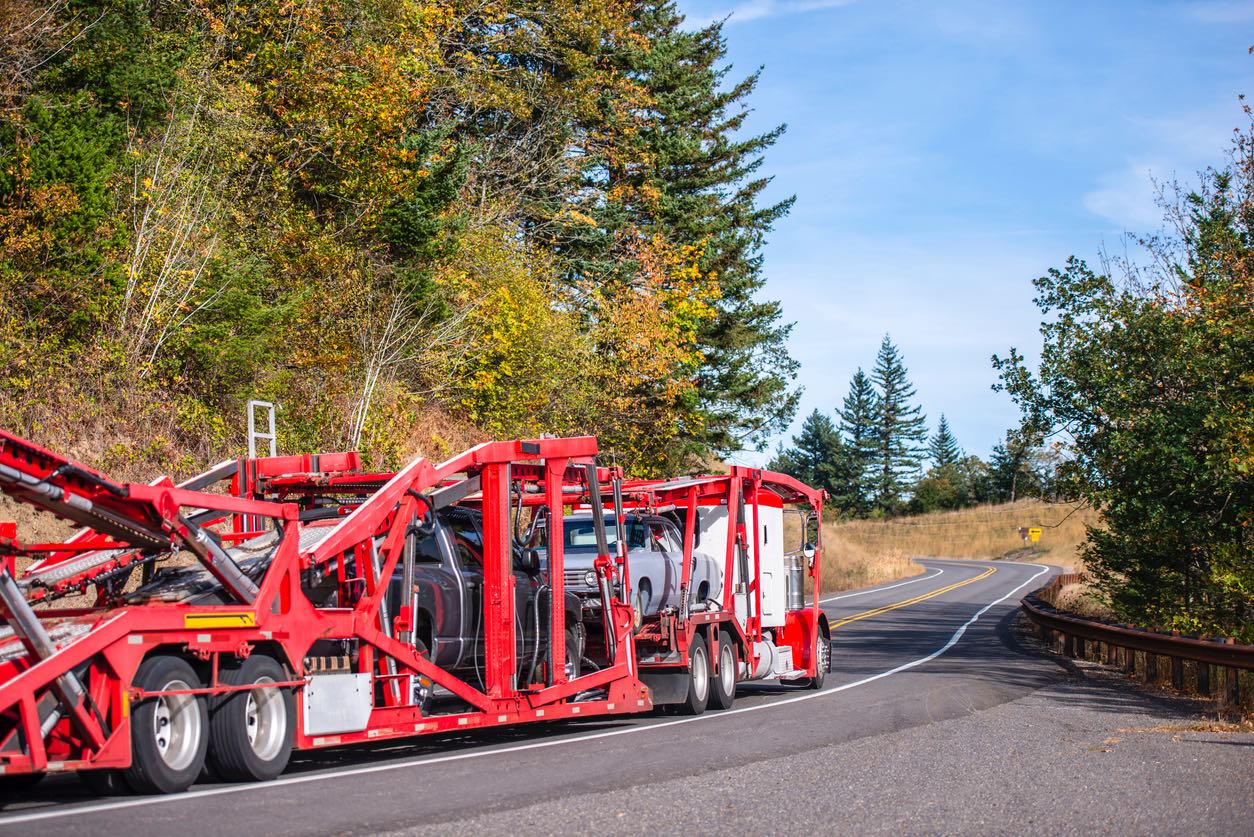
Mostly it does not. A car moving between two US states travels by road on a car carrier and is unaffected by ocean terminal ownership. The exceptions are the routes that use the port system:
- Hawaii and Alaska. Domestic but not road-connected. Vehicles travel overland to a West Coast port and sail, two to four weeks door to door, requiring title, registration and photo ID.
- Imported vehicles. Frequently collected from a port of entry rather than a residence, which needs release paperwork coordinated in advance.
- Vehicles going abroad. Where customs requirements, not transport, set the timeline.
If You Are Shipping Internationally
Start earlier than feels necessary, because paperwork governs. Requirements vary by destination and commonly include proof of ownership, emissions and safety compliance, duties, and in some countries a period during which the vehicle cannot be sold. Get the destination’s requirements in writing before booking the transport, not after.
Ask specifically whether the quote covers the full chain or only one leg. An ocean rate that excludes inland transport at either end is not the price of getting your car there.
Why Vehicle Logistics Has Its Own Economics
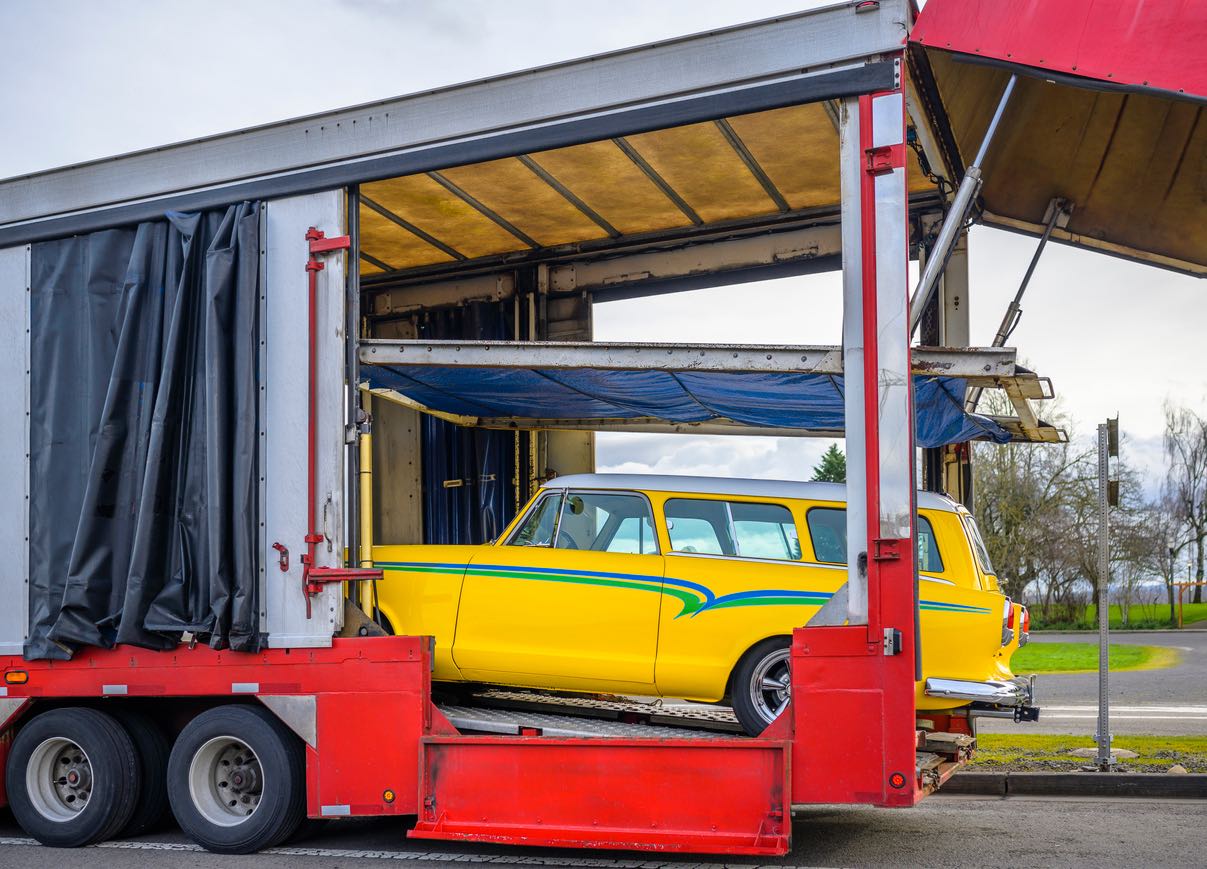
Cars occupy a strange middle ground in freight. They are too valuable to treat as bulk cargo and too bulky to treat as high-value freight. A container holds a handful of vehicles where it might hold tons of packaged goods, so the revenue per container is comparatively poor and specialists have historically been needed to make the economics work through volume and careful handling.
That is why vehicle logistics firms exist as distinct businesses rather than as a line item inside general freight companies, and why a port operator wanting that capability tends to buy it rather than build it.
Processing Is Where Value Sits
The step most people never see is vehicle processing: inspection on arrival, damage recording, storage, sometimes accessory fitment or compliance work before release. For manufacturers moving thousands of units this is a substantial operation, and it happens at or near the port.
For an individual shipping one vehicle, the relevant part is the inspection and damage record. Ask who documents condition at each handoff and request copies. On an international move a vehicle changes hands several times, and a gap in that chain is where a disputed claim becomes unresolvable.
Common Questions
Does Ship A Car handle international shipping? We arrange domestic transport nationwide including the overland legs to and from ports, and we can advise on how the port stage works. The ocean leg and customs are separate specialisms.
Is container safer than RoRo? Generally yes, since the vehicle is enclosed and handled less. It costs more, and consolidated containers reduce that gap if your timing is flexible.
How long does Hawaii or Alaska take? Two to four weeks door to door. The ocean leg runs on a fixed weekly schedule, so missing a port cutoff by a day can add a week.
Will consolidation make shipping cheaper? Unknown, and anyone claiming certainty is guessing. Integration can improve reliability; fewer competitors on a lane rarely reduces price.
Get a Quote
Call Ship A Car, Inc. at (866) 821-4555, or get an estimate for a domestic move by email from the quote calculator.