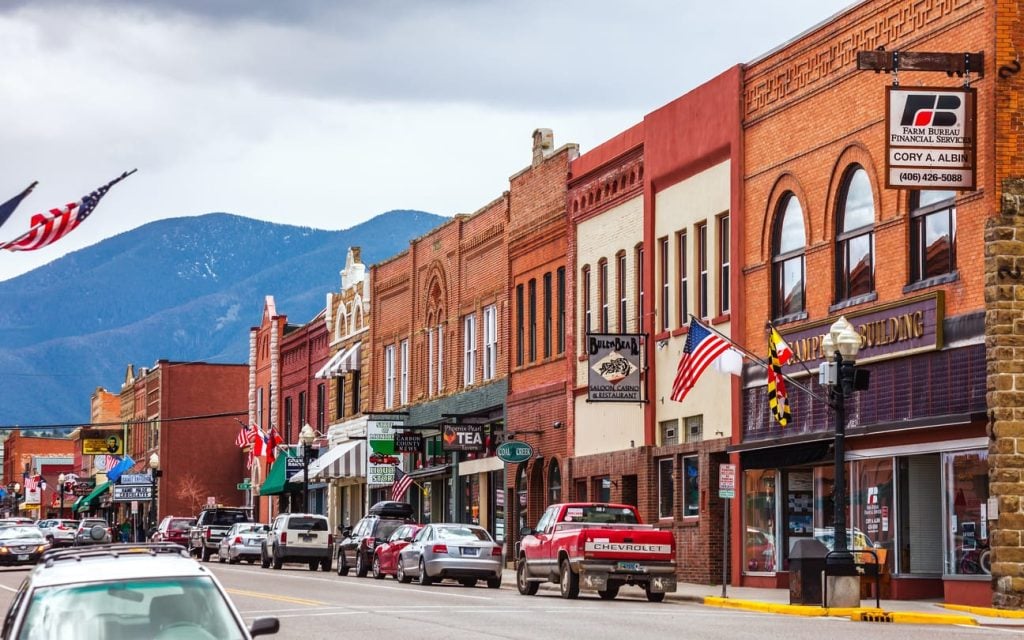
The small towns growing fastest in America are almost all doing it for the same reason: they sit within commuting distance of a metropolitan area that got too expensive. Remote work widened that radius considerably, and a town forty minutes outside a growing city now draws people who would once have needed to live in it. That pattern is worth understanding before you move to one, because growth is pleasant to read about and less pleasant to live through. It also changes how your cars get there, in a way that surprises people on delivery day.
What Growth Actually Feels Like
A town that adds population faster than it adds infrastructure shows the strain in predictable places. Roads built for a farming county carry commuter traffic they were never sized for. Schools run portable classrooms while a bond issue works its way to a vote. Water and sewer capacity becomes a planning fight. The hospital that served twenty thousand people serves forty thousand with the same emergency department. None of this is a reason not to move. It is a reason to check before you do, because the brochure describes the town as it will be in ten years and you will live in it as it is now.
How to Check a Town Properly
- Drive the commute at the hour you would drive it. Not on a Saturday afternoon.
- Look at the school district’s enrollment trend and its building plans. Both are public.
- Ask the utility about water and sewer capacity and any moratorium on new connections.
- Find the nearest hospital with an emergency department and time the drive.
- Read the last year of planning commission minutes. They tell you what is being built next to you.
- Visit in the worst month. A town is not its best weekend.
Where the Growth Is Concentrated
The pattern repeats around the same metros. The ring around Austin and Dallas in Texas. The towns between Raleigh and Charlotte in North Carolina. The Nashville exurbs in Tennessee. The Treasure Valley around Boise in Idaho. The Phoenix fringe in Arizona and the Front Range north of Denver. Each has a state guide on this site with the inbound lanes priced from our own bookings: Texas, North Carolina, Tennessee, Idaho, Arizona and Colorado.
How the Cars Get There
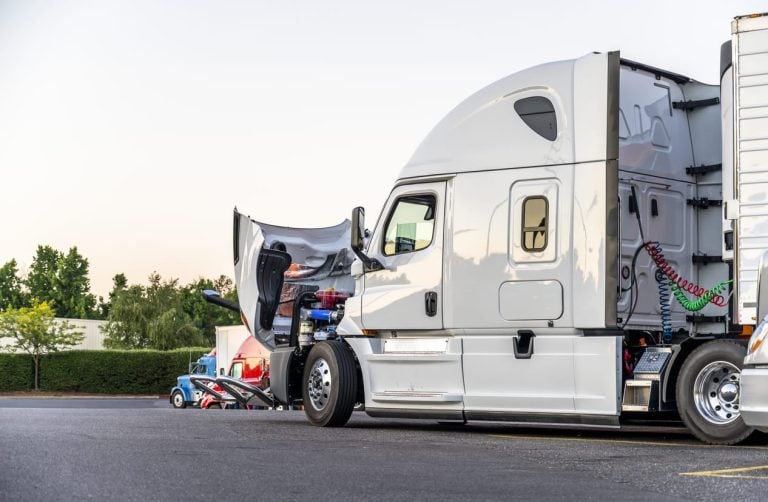
A move to a commuter town is usually a two-car household relocating around a closing date, and the shipping is routine on every lane above. What is not routine is the address. New subdivisions are where the growth lives, and a new subdivision often has roads that are not finished, a gate that is not staffed, and a street the carrier’s map does not know yet. A 75-foot auto carrier does not turn around in a cul-de-sac with a construction dumpster in it.
The fix is planned, not improvised. Tell your coordinator that the destination is a new build, give the nearest cross street and the gate arrangement, and agree a meet point at the subdivision entrance or the nearest shopping center before the truck is dispatched. The driver hands the cars over there. It costs a few minutes and avoids a small-truck fee for the last mile. Two cars travel on one order, usually on one carrier, at a combined rate below two separate bookings, and our multi-car shipping page explains how.
Timing Around a New-Build Closing
New construction closings slip. A carrier is booked against a pickup window of a few days at the old house, so set that window for the last days you are certain to hold the old address, and tell the coordinator the moment the builder moves the date. Before a carrier is assigned, dates move freely. If the cars arrive before you can take possession, a storage lot or a friend’s driveway nearby can receive them, and the coordinator arranges that when you book rather than on the day. Summer is the peak for both closings and carriers, so book a month ahead from June to August and two to three weeks in the other months.
Two Cars, or One and Buy the Second There
Commuter towns rarely have transit, so a household that managed with one car in the city often needs two in the exurb. That raises a real question: ship both, or ship one and buy the second at the destination. Shipping both on one order is the cheaper move if you already own two cars you intend to keep. If one of them is due for replacement anyway, ship the keeper, sell the other before you leave, and buy at the new address, where the registration, the inspection and the plates all happen once. Either way, register the cars in the new state promptly. Most states allow between thirty and ninety days after you establish residency, and an out-of-state plate in a new subdivision is the first thing a neighbor notices.
Preparing the Cars
- Empty them. Moving boxes go with the movers. The carrier’s insurance covers the car, not its contents.
- Quarter tank each.
- Photograph both from every angle in daylight the day before pickup, and read the bill of lading before signing at each end.
- Declare condition. A car that will not start ships as inoperable and is winched aboard. Say so at booking.
- One key per car to the driver, spares with you.
Common Questions
Will the carrier deliver to a new subdivision? If the roads are finished and the gate is open, yes. If not, the driver meets you at the entrance or a nearby lot, agreed before dispatch.
How long are the cars on the truck? A few days on regional lanes and about a week from the coasts, after a pickup window of a few days.
Is it cheaper to ship two cars together? Usually, yes. Two cars share an order and often a carrier, at a rate below two separate bookings.
What if the builder moves the closing? Tell your coordinator as soon as you know. Before dispatch, the dates move with you.
Do I pay anything up front? No. No deposit is taken until a carrier has been assigned to your order.
Get a Quote
Put both cars, the two addresses and your dates into the instant quote calculator for a firm figure, and tell the coordinator the destination is a new build so the handoff is planned. Or call (866) 821-4555. No deposit is taken until a carrier is assigned to your order.