March 28, 2023
How to Ship Machinery and Machine Parts
How to ship machinery and machine parts: crating and skid mounting, choosing LTL vs. flatbed vs. RGN, preparation steps, and what drives the cost.
Select category
How to ship machinery and machine parts: crating and skid mounting, choosing LTL vs. flatbed vs. RGN, preparation steps, and what drives the cost.

An agricultural robot is light, expensive and full of sensors, and the failure mode is a calibration problem that only appears in the field.
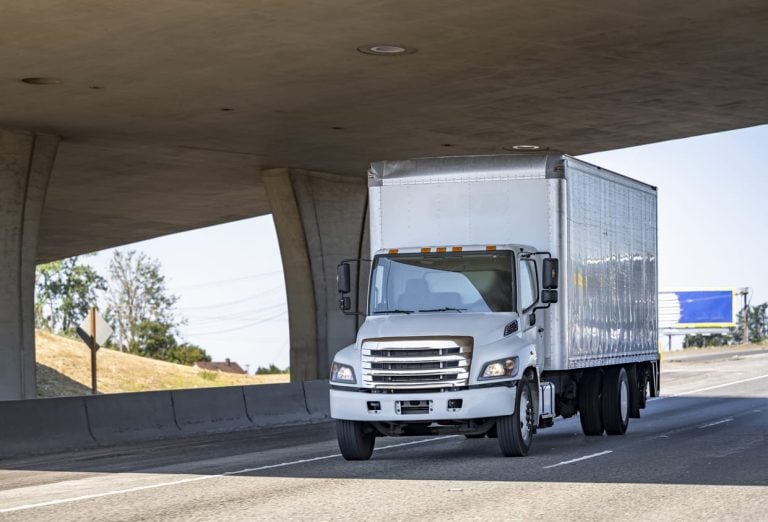
Shipping a box truck: trailer vs driveaway, why height picks the trailer, and the prep that keeps it insured, empty truck, exact measurements, verified carrier coverage.
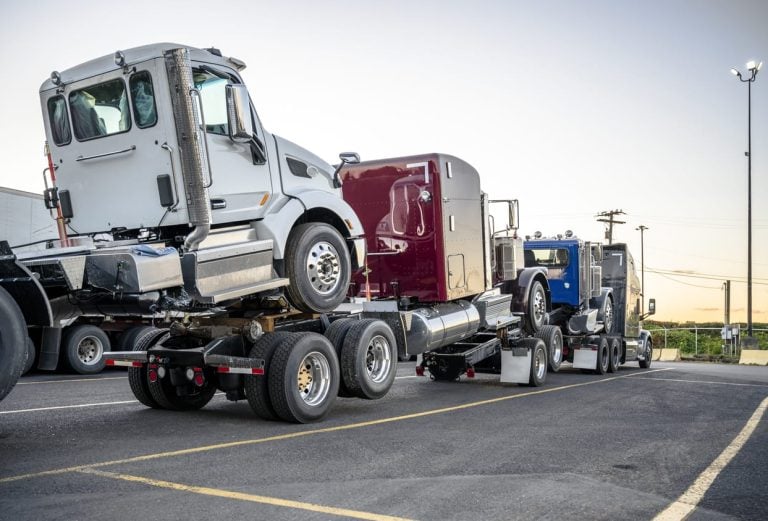
A Class 8 tractor stands 11 to 13 feet tall on its own wheels, so hauling it on any deck means a permit.
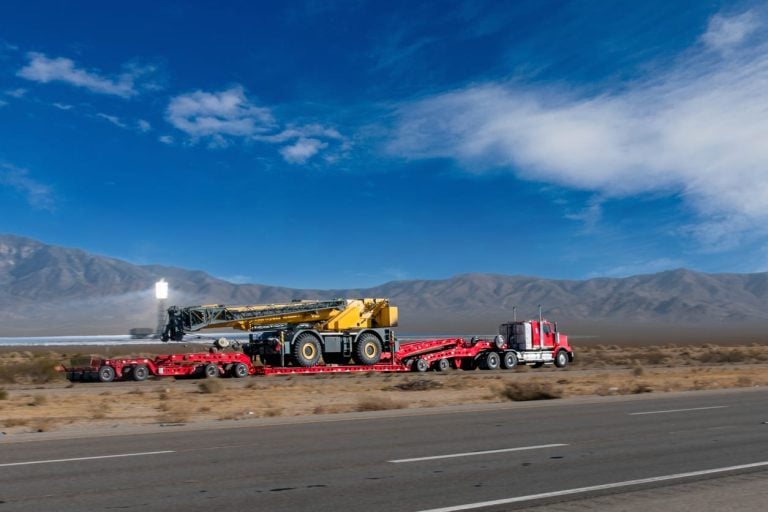
Pennsylvania is a mountain state pretending to be an eastern one. The corridors are excellent; the constraints are vertical.
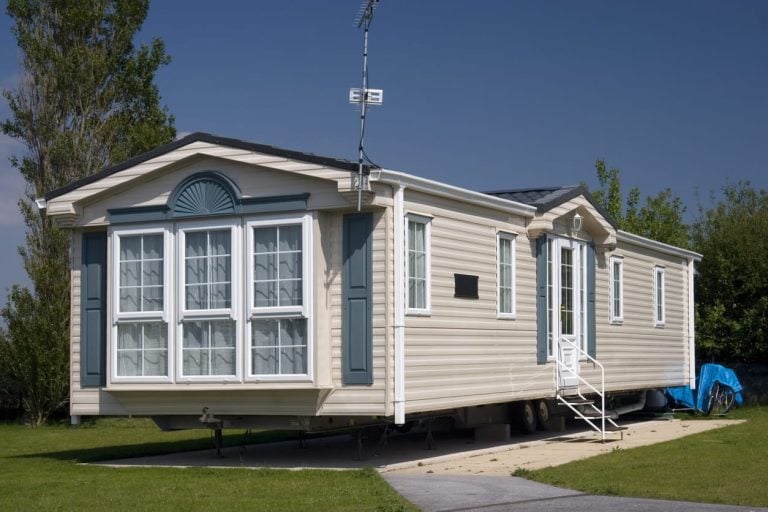
You are not paying for mileage. You are paying for a permitted convoy, repeated once per section.
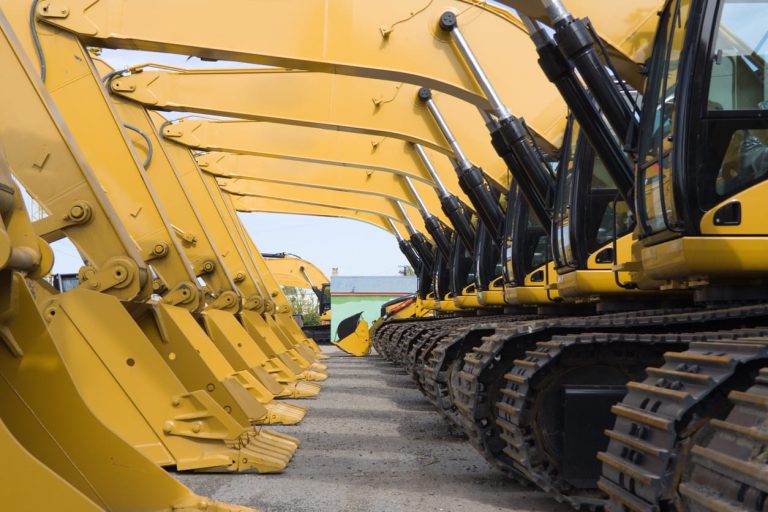
Illinois is two heavy haul problems in one state: urban routing around Chicago and wide agricultural machines downstate. Permits, trailers and timing for both.

Barbed wire is dense, sharp and awkward. How it is packaged and how much there is decide the whole job.
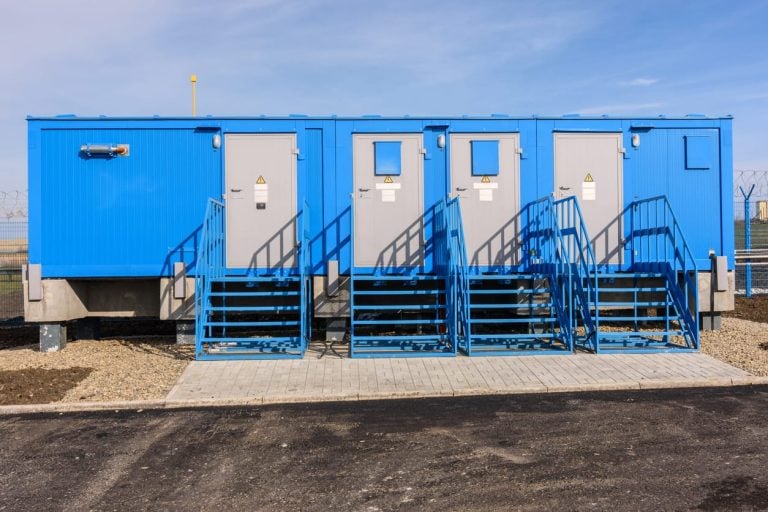
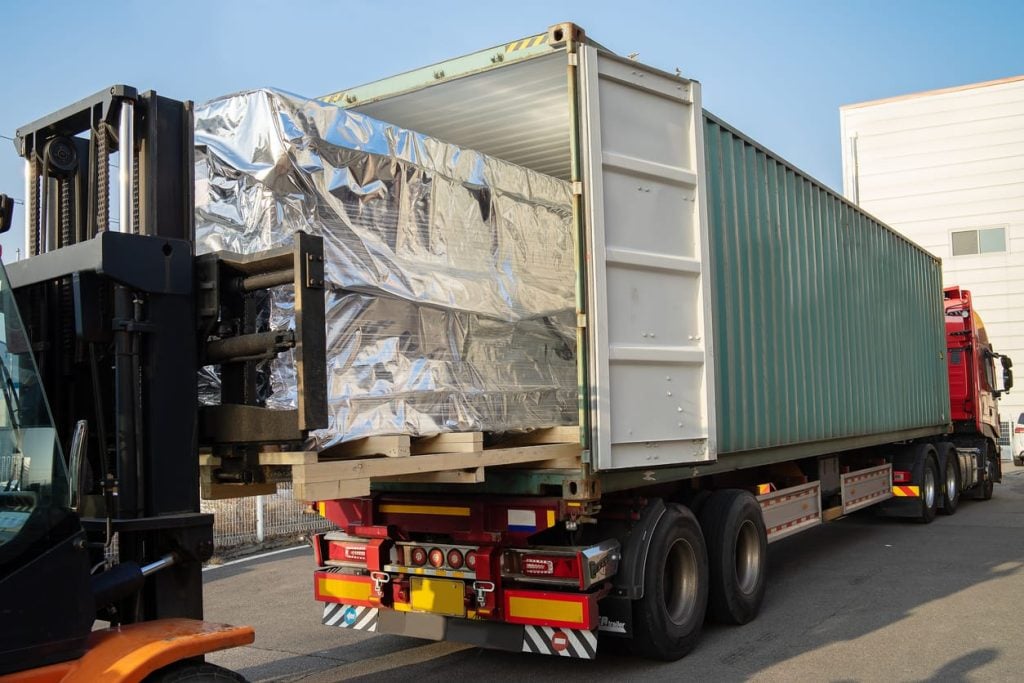
The dimension that catches people is height, and it is the deck rather than the container. A high cube on an ordinary flatbed lands over the legal limit.
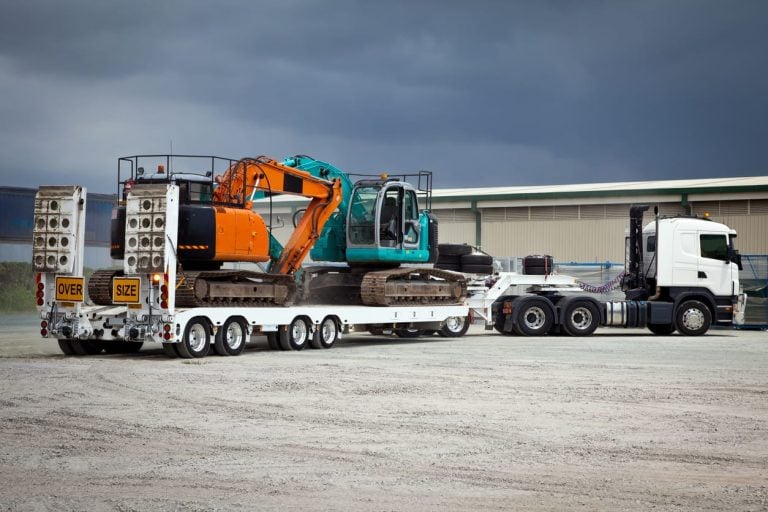
New York is two different heavy haul problems sharing one state name. Upstate is ordinary trucking; the city is a routing puzzle with closed parkways.
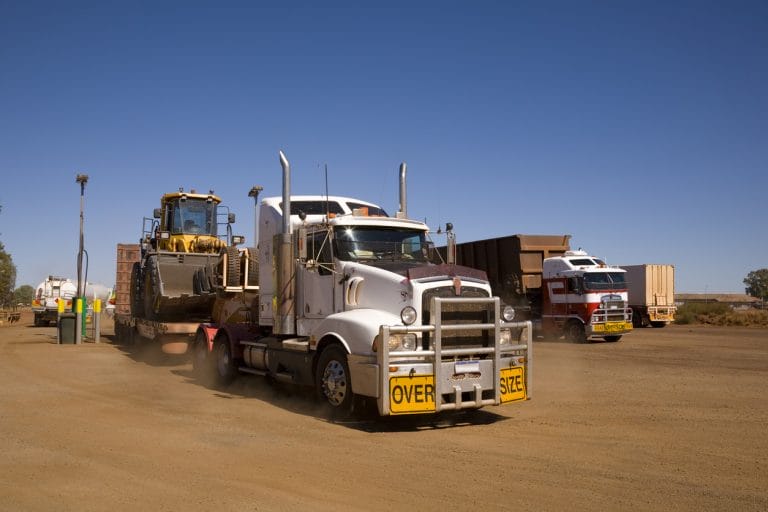
Arizona is easy to route heavy equipment through and punishing to move it in during summer. Permits, heat scheduling and the geography that removes direct routes.
A container pool always ships empty. Water weighs eight pounds a gallon, so a full one would be tens of thousands of pounds beyond any legal limit.
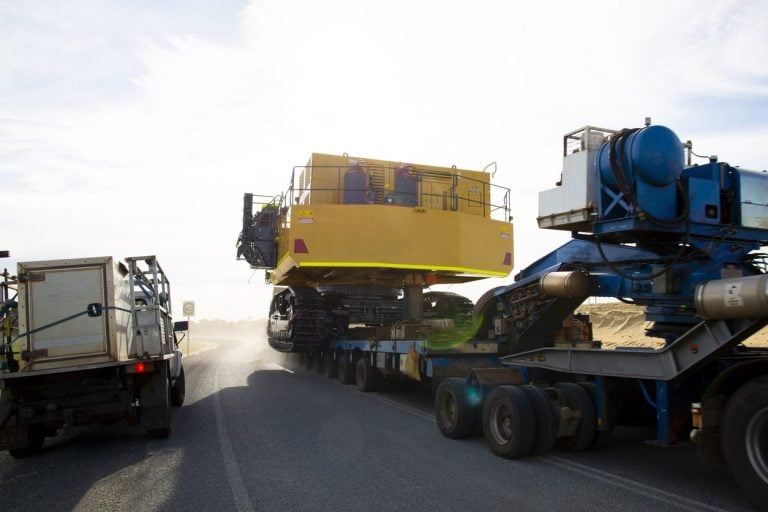
Texas allows 14 feet of height rather than the usual 13 feet 6 inches, which decides the trailer on a lot of machines. What it asks back is distance.
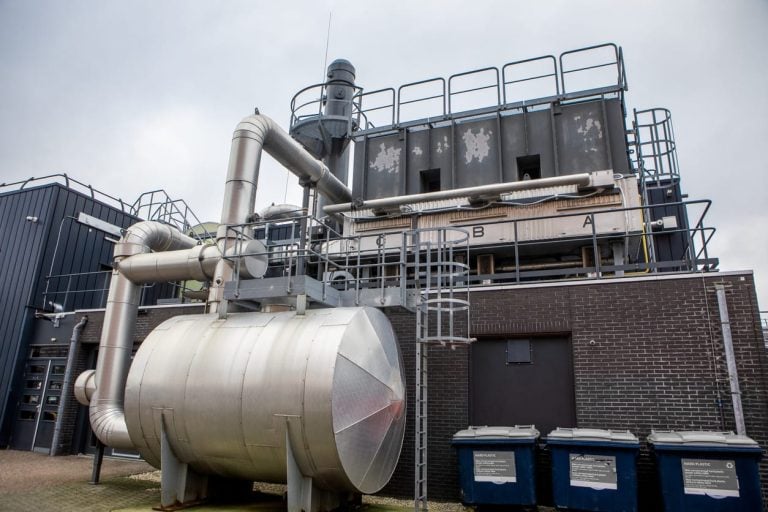
A boiler is heavy, tall and fragile in ways that are not obvious. Those three facts drive every decision about moving one.
California does not use the federal dimensions. It allows 14 feet of height and applies a kingpin to rear axle length rule almost nowhere else does.
