Heavy Equipment Shipping in Ohio
Ohio is one of the few states where a single trip can need two separate permits, and knowing that in advance is what keeps a schedule intact. The Ohio Turnpike is administered separately from the rest of the state highway system, so an oversize load running I-80 or I-90 across the north needs a turnpike permit in addition to the state one. Miss it and the load stops at the toll plaza rather than at a scale.
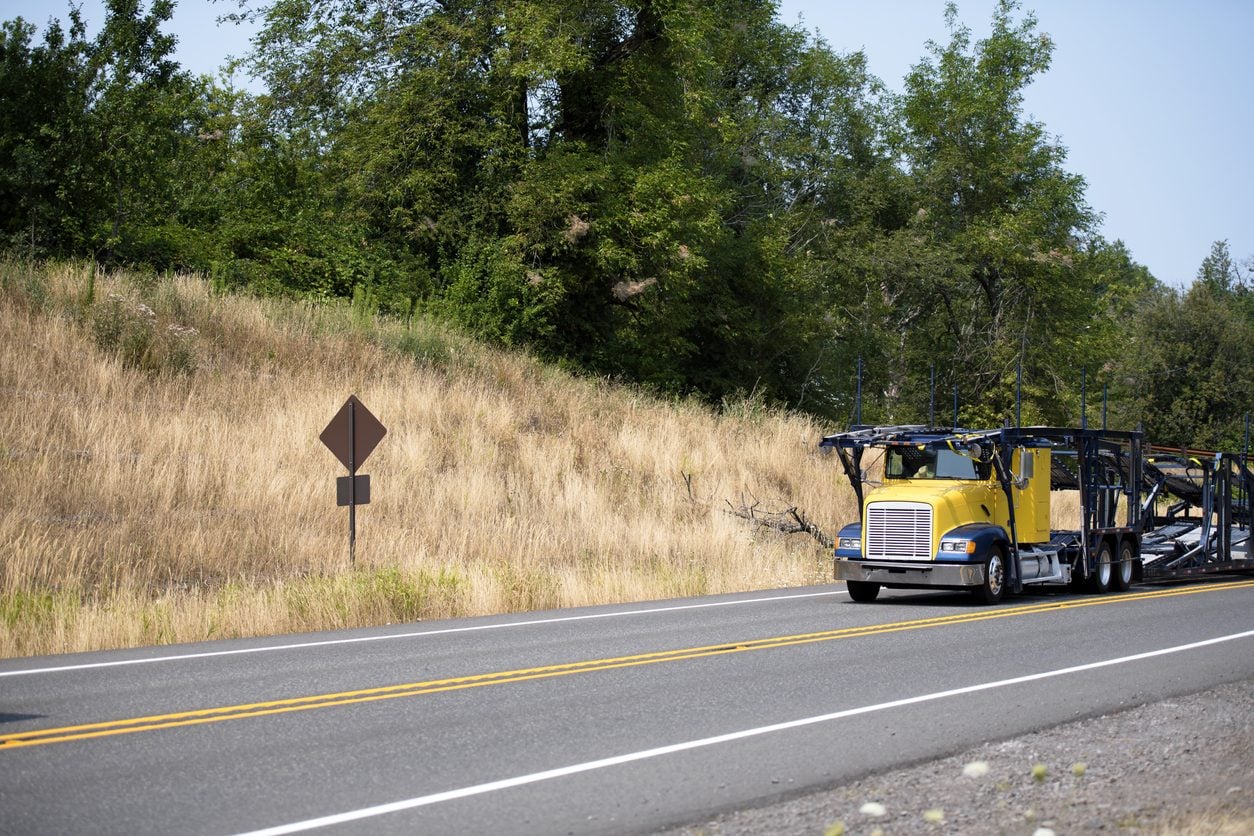
Two Permitting Authorities, One State
The state issues oversize and overweight permits for its highway network in the normal way: a defined route, a defined period, escorts once you pass roughly 12 feet wide.
The turnpike across northern Ohio is run by its own commission and permits separately. A load crossing the state on that corridor therefore needs both, and they are applied for independently. It is not difficult, it just has to be planned rather than assumed, and it is the single most common Ohio specific hold up.
Routing off the turnpike onto parallel state routes avoids the second permit but adds time and often passes through more towns. Which is cheaper depends on the machine, and it is worth pricing both ways.
A Crossroads, Which Cuts Both Ways
Ohio sits where I-70, I-71, I-75 and I-77 meet, and an enormous share of the country’s population is within a day’s drive. That density is why carrier supply here is excellent and why a realistically priced load gets assigned quickly.
The same density is why the metro areas restrict permitted movement during peak commuter hours. Columbus, Cleveland and Cincinnati all shape when a load can legally move rather than whether it can. Plan the departure around the travel window instead of the loading time.
Permit Thresholds
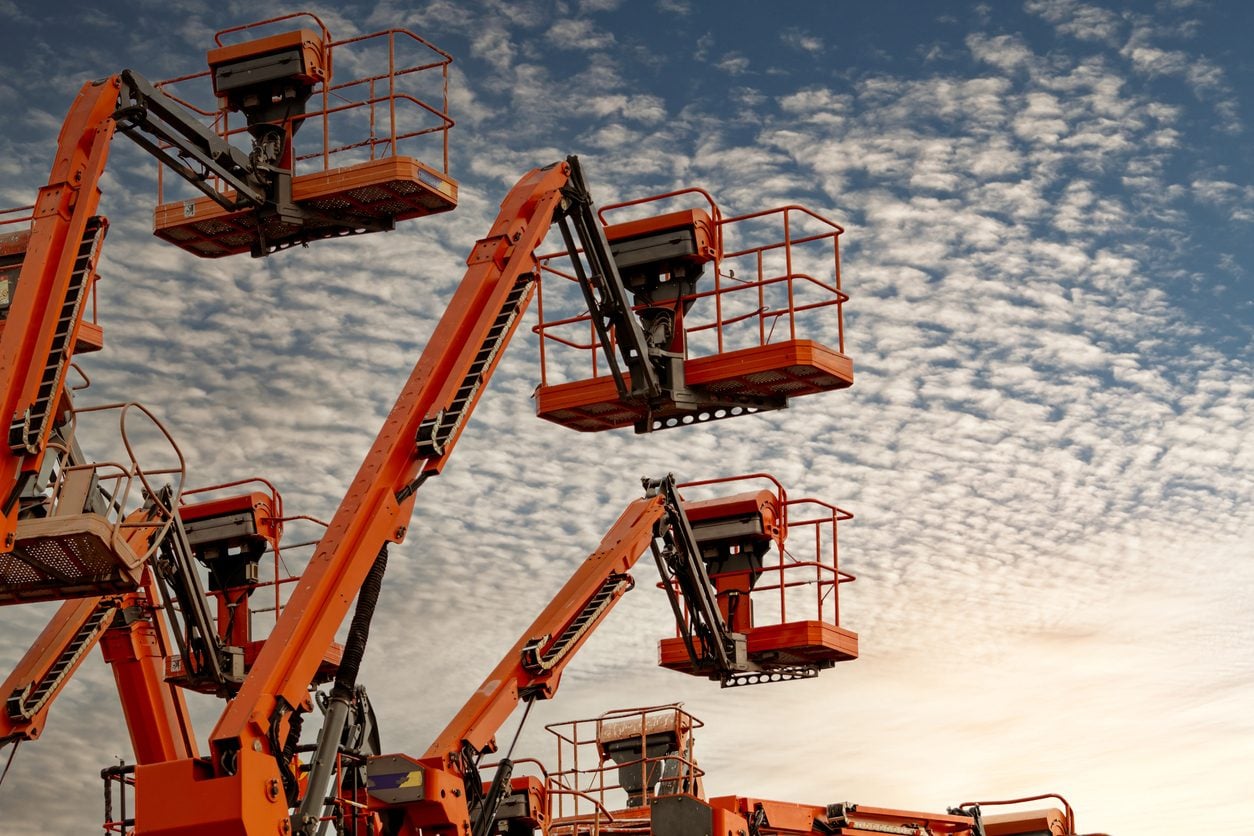
The federal baseline applies: anything over 8 feet 6 inches wide, 13 feet 6 inches high, or 80,000 pounds gross needs a permit for every state on the route.
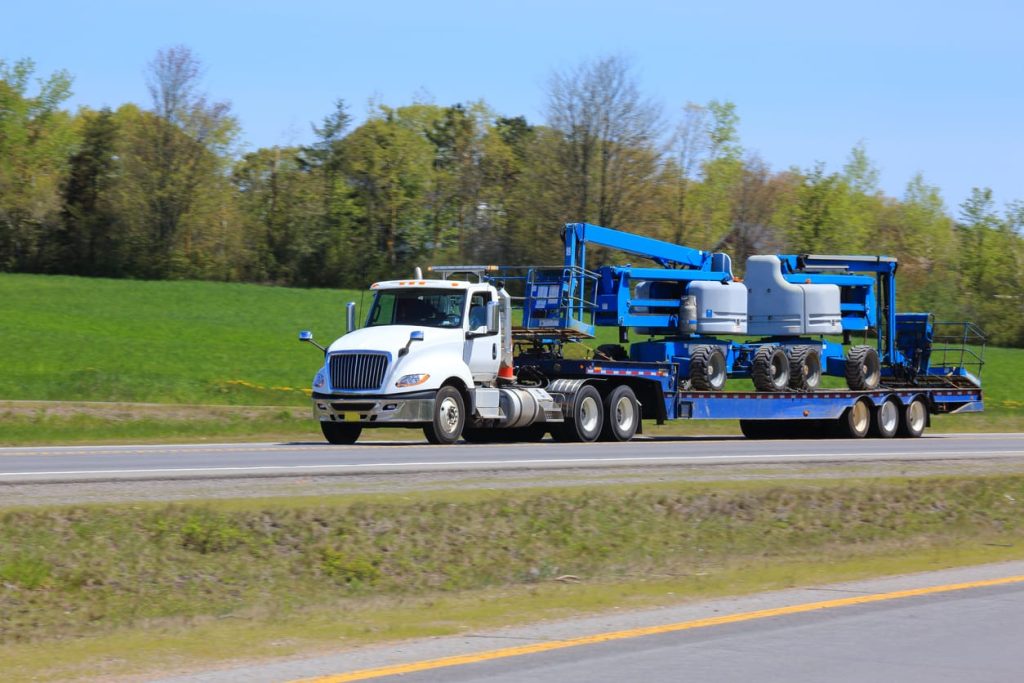
Height is measured from the road rather than from the deck, which is the figure people most often get wrong. A lowboy exists to buy those inches back, and a step deck buys about a foot over a flatbed.
Give the measured height with the stack, beacon and any removable topworks off, not the brochure number.
Measure the Machine, Not the Specification
Manufacturer figures describe a standard configuration, and yours may not be standard.
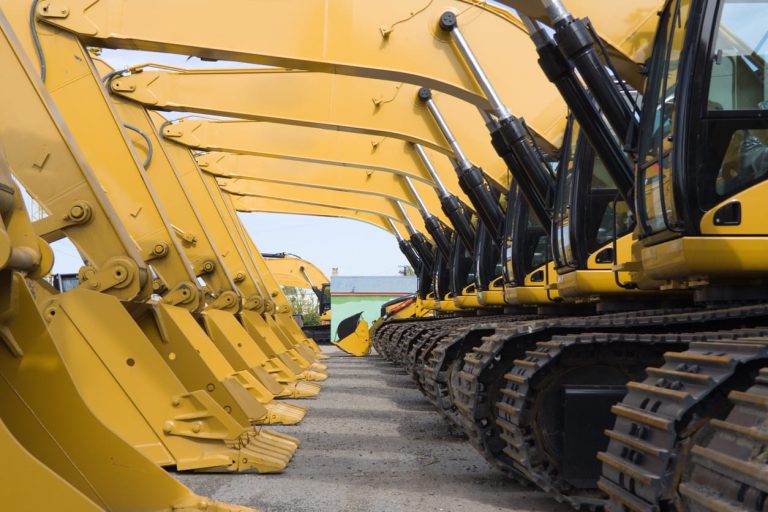
Counterweights, buckets, blades and ripper shanks all change the envelope and most come off. Wide track pads fitted for soft ground push a machine past legal width on their own, and swapping to standard shoes is often cheaper than the permit and escorts. Fluid filled tires add weight nobody can see from outside.
Tell us the working weight with attachments, the measured width and height, and whether it drives and steers under its own power. Those four answers set the trailer, the permit and the price.
Winter Is a Scheduling Factor
Lake effect snow off Lake Erie hits the northern counties harder and more suddenly than the rest of the state, and it lands on exactly the corridor the turnpike runs along.
Permitted loads travel in daylight and stop for weather, so a winter move across the north should carry more schedule slack than the mileage suggests. Loads moving north to south through the middle of the state are less exposed.
Preparing the Machine
Most damage happens during loading, and a prepared machine loads in minutes.
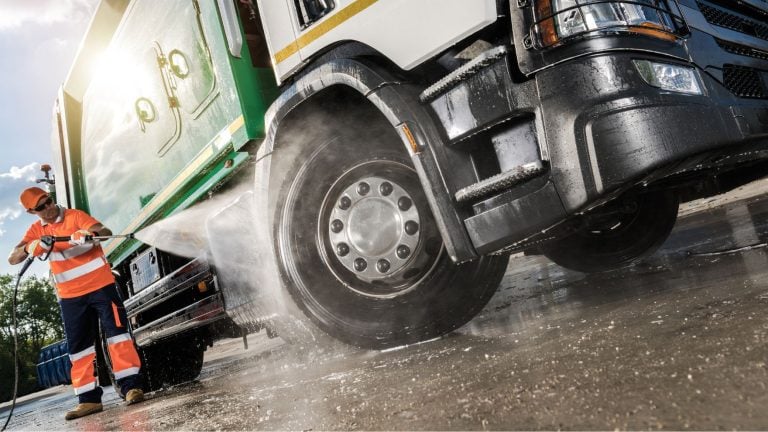
Lower and pin the attachments. Remove or fold the stack, beacon and mirrors. Reduce fuel to the level the carrier asks for. Lock the brakes and note anything unusual about starting or moving it. Clean off mud and stones, since falling debris is a serious matter and mud hides existing damage.
Photograph the machine from every side before loading, including glass, lights and undercarriage, and walk it with the driver so the condition is on the paperwork before it moves.
Common Questions
Why might I need two permits? The Ohio Turnpike permits separately from the state highway system. A load using I-80 or I-90 across the north needs both.
Can I avoid the turnpike? Yes, on parallel state routes, but it adds time. Price both before deciding.
What decides the trailer? Measured height, width and weight, and whether the machine drives on under its own power.
When are escorts required? Generally past roughly 12 feet wide, with more of them as the load gets wider.
Does the machine need to run? No, but declare it. A machine that will not move under its own power needs winching and a different loading plan.
Get a Quote
Call Ship A Car, Inc. at (866) 452-3657 for heavy haul and specialized freight, with the make, model, measured height and width, working weight, and whether it runs.