Shipping Industrial Rigging Equipment
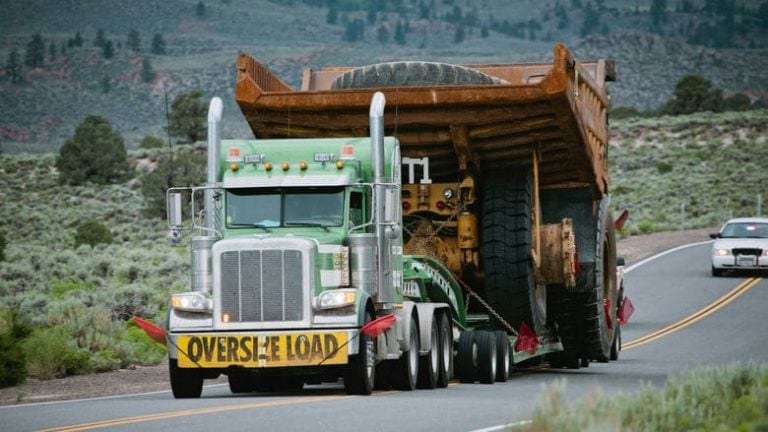
A mobile crane is not one shipment. It is three or four, and pricing it as a single load is the mistake that derails these moves. The carrier travels on its own, the boom sections travel separately, and the counterweights travel separately again because they are heavy enough to need their own permitted trailer. The same logic applies to gantries and large spreader systems. Work out how the equipment breaks down before anyone quotes a number, because the breakdown is the job.

How a Crane Actually Travels
Larger mobile and crawler cranes are designed to be dismantled for transport, and the manufacturer sets out how.
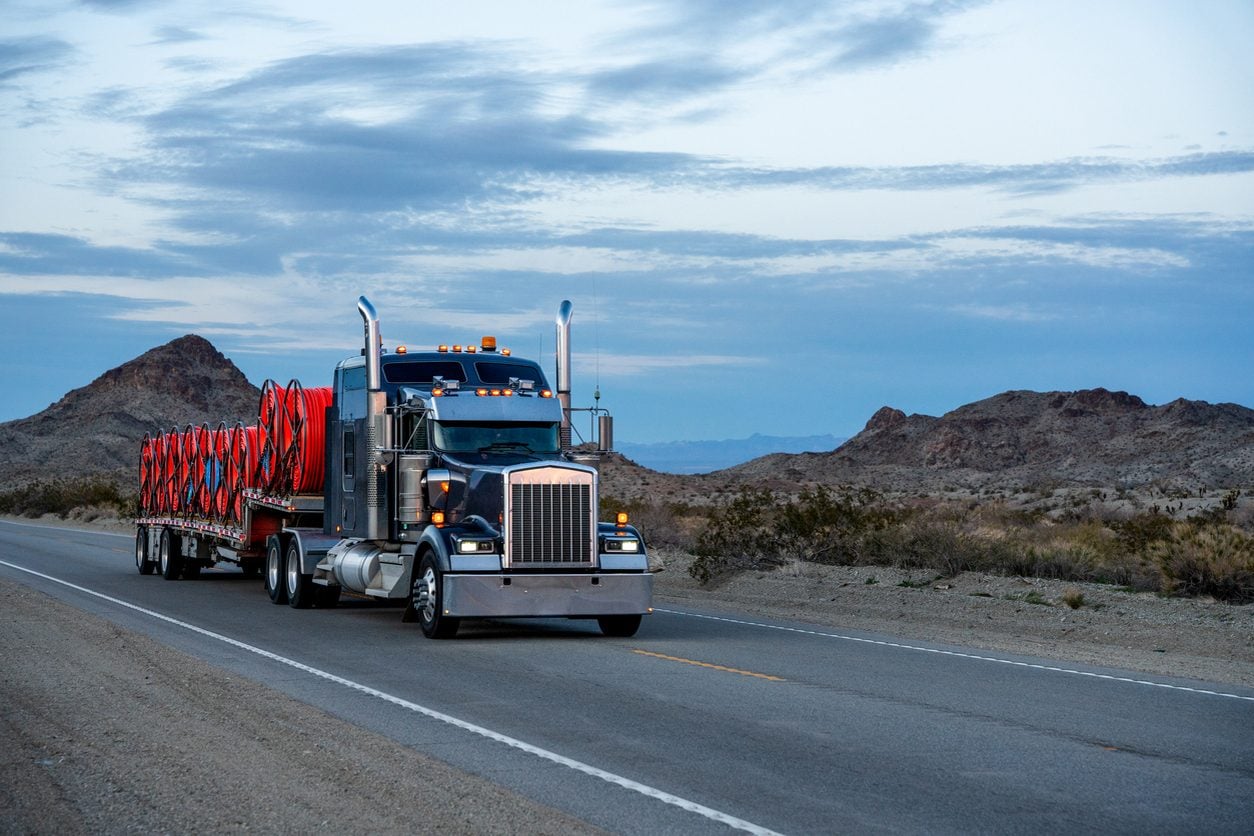
The base machine goes on a lowboy or multi axle trailer, usually as a permitted load in its own right. Boom and jib sections come off and ride flat, and their length rather than their weight is what governs, which frequently means an extendable trailer. Counterweight slabs go separately, often several to a trailer, and they are dense enough that you run out of legal weight long before you run out of deck.
Crawler cranes add a further step, since the tracks themselves usually come off and ship as their own load.
Ask the operator for the manufacturer’s transport configuration. It exists, it specifies exactly what comes apart, and it saves a great deal of guessing.
Counterweights Are the Weight Problem
People plan around the crane and forget the ballast, which is often the heaviest part of the whole move.
Counterweight sets on a large crane run into six figures of pounds in total. Split across trailers, each load still needs its axle configuration worked out to stay inside bridge limits. They are also awkward to secure precisely because they are compact and dense, so the securement plan matters as much as the trailer choice.
Give us the counterweight schedule in pounds, not “the counterweights”. That single number changes the trailer count.
Loose Rigging Hardware
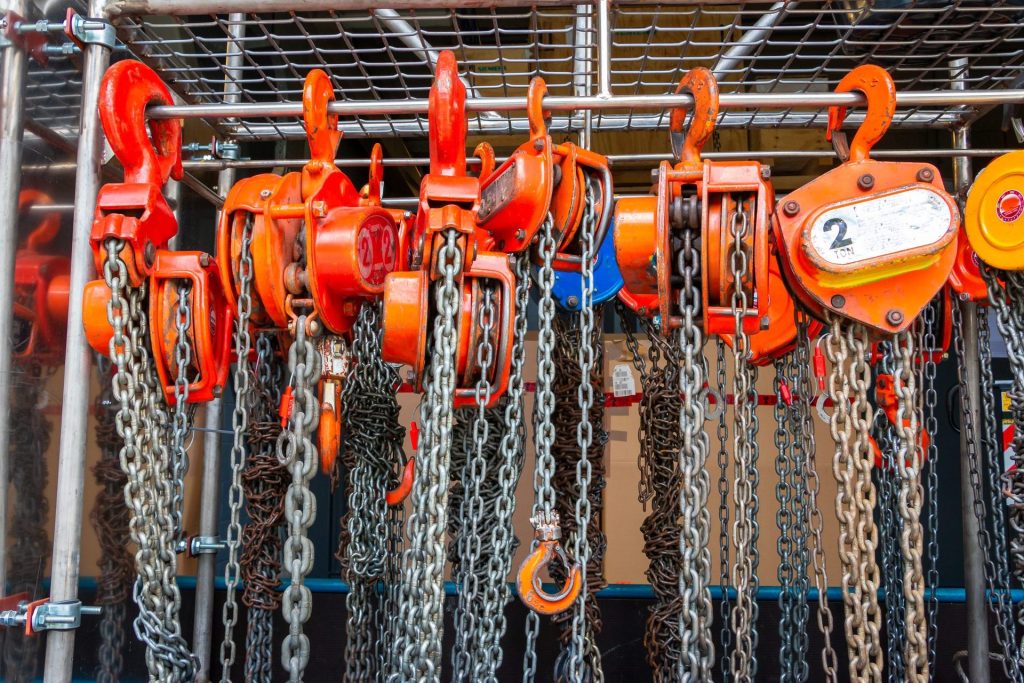
Slings, shackles, chain blocks, hooks, blocks and jacks ship as ordinary freight, and the only real requirement is that they stop being loose.
Crate or palletize them. Loose hardware rolling around a deck is a securement problem, a damage problem for everything near it, and a hazard if anything works its way off the trailer. Banding a pallet takes minutes.
Keep the certification and inspection tags with the gear rather than in an office. Rigging hardware is inspected and rated, and equipment that arrives without its paperwork may not be usable at the far end until it is re-certified. That is a delay caused entirely by packing.
Gantries, Spreader Bars and Long Sections
For these the governing dimension is length, not weight.
A spreader bar or gantry beam can be perfectly light and still need an extendable trailer, and anything projecting beyond the deck needs flagging and may need escorts. Length also restricts routing more than people expect, because turning radius at intersections becomes the constraint rather than bridge height.
Measure the longest single piece and give that figure. It often decides the trailer on its own.
Permits and Escorts
Each load is permitted separately. Over 8 feet 6 inches wide, 13 feet 6 inches high or 80,000 pounds gross needs a state permit for every state on the route, for a defined path and period.
Past roughly 12 feet wide you add escorts, and long loads may need them regardless of width. Permitted loads generally move in daylight on weekdays, and metro areas restrict travel during peak hours, so a multi trailer crane move is scheduled as a sequence rather than a single departure.

What to Tell Us When You Book
The make and model of the crane or system. The manufacturer’s transport configuration, or which pieces come apart. The weight of each piece, counterweights itemized. The longest single section. Whether the base machine moves under its own power. And the access at both ends, because a crane yard and a live job site are very different collection points.
Preparing the Equipment
Retract and lower everything that retracts. Pin what the manufacturer says to pin. Reduce fuel to the level the carrier asks for. Cap or seal hydraulic connections opened during dismantling, both to keep contamination out and to stop them weeping onto a deck.
Photograph every piece before loading, including sections that look identical, and label them so they can be identified at the far end. Walk the load with the driver so the condition is on the paperwork before anything moves.
Common Questions
Can a crane ship in one piece? Small ones yes. Anything larger travels dismantled, typically as three or four separate permitted loads.
What usually costs the most? The counterweights, because they are dense enough to need dedicated trailers.
Do slings and shackles need special handling? They need crating or palletizing, and their certification tags should travel with them.
What decides the trailer for a boom section? Length, almost always. Extendable trailers exist for exactly this.
Can you collect from an active job site? Yes, with notice. Access and ground conditions decide what equipment we send.
Get a Quote
Call Ship A Car, Inc. at (866) 452-3657 for heavy haul and specialized freight, with the model, the transport breakdown and the weight of each piece.