Why Do You Need Logistics and Planning for your Constructing Site
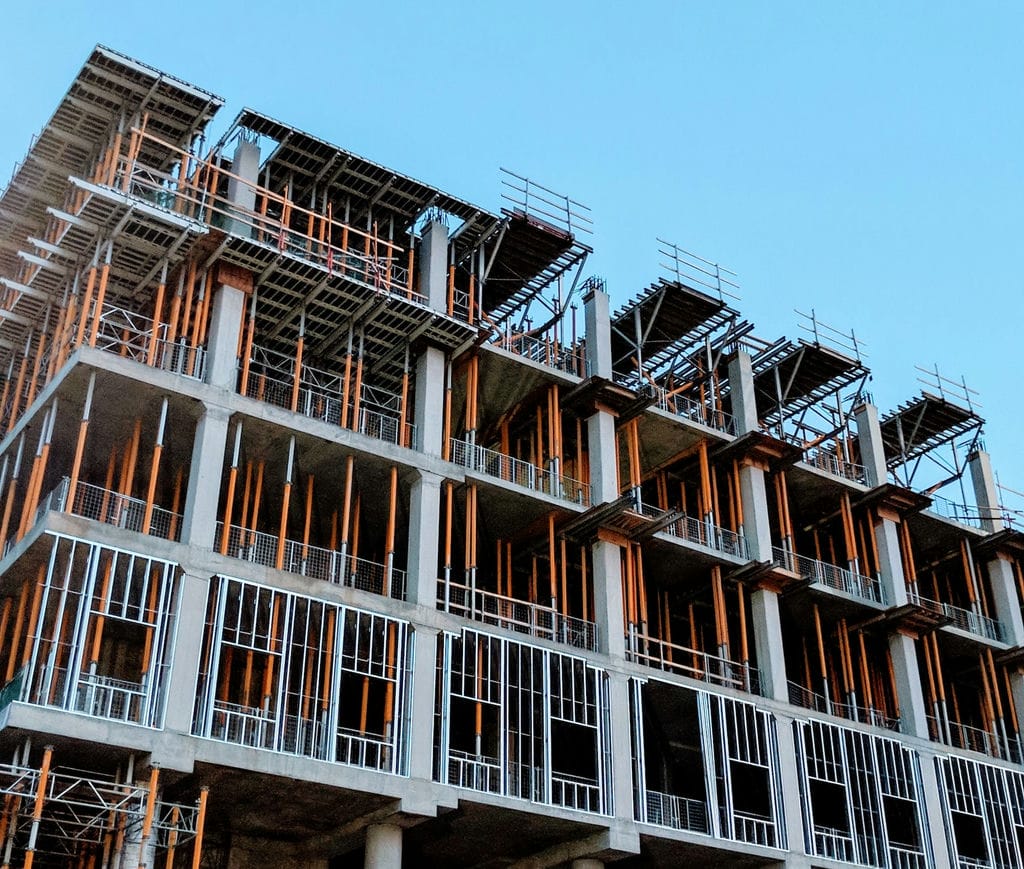
Construction sites are hectic, plain and simple. From the many companies that could be at a site, compliance officers driving around to ensure the safety protocols are being followed, to the people running the site, there is just too much happening to not have proper planning in action. Without properly planning and having the logistics planned out, your construction site can be in disarray quickly, and could lead to a number of injuries to the workers on site.
Construction Logistics
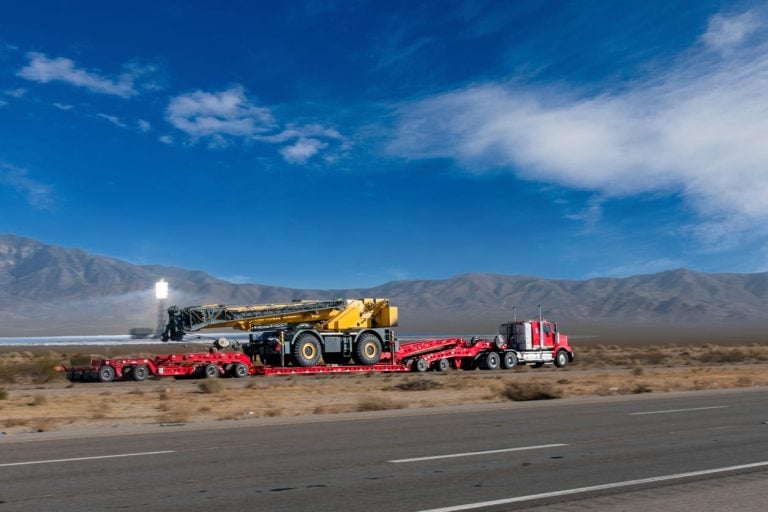
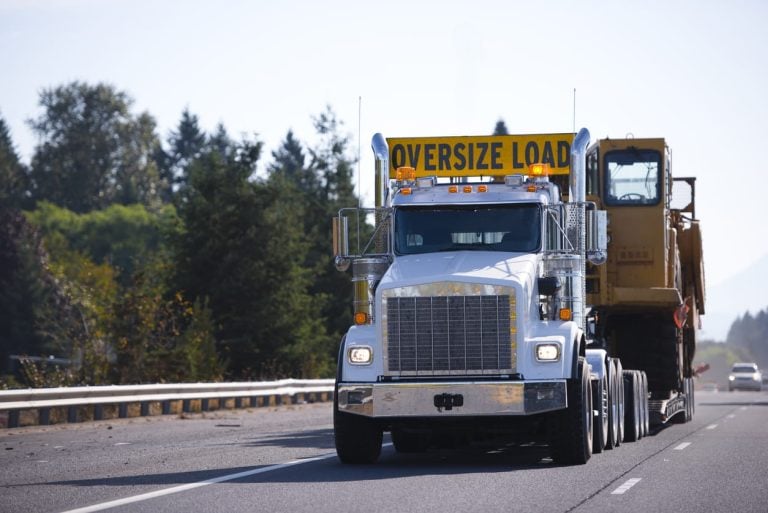
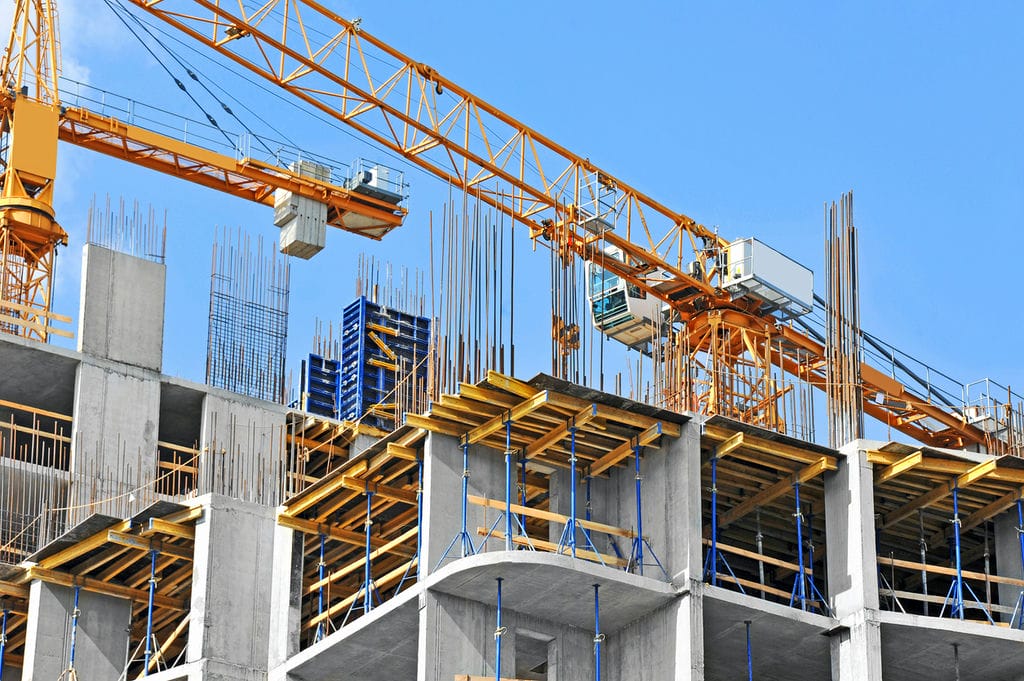
The logistics of the construction site refers to the supply and disposal of material shipments, equipment, and the personnel to and from a construction site. Planning the logistics of the construction site is necessary to make sure that the material and equipment will arrive safely and on time. Furthermore, it heightens the safety of the people working at the construction site, improving the workflow of the site.
Construction Sites Logistics Considerations
So you may be wondering at this point in the article what exactly would fall under the logistics of a construction site. At each construction site, there are a number of materials and resources that are essential to the construction site. Aside from overseeing the timing of equipment, there are a number of other factors that coincide with the CPL, or the construction logistics plan.
- As previously stated, the material and equipment required for the construction site is one of the most important factors of the logistics of the construction site.
- Another factor would be the zoning restrictions and construction permits required for the construction site.
- The construction team size is important to have figured out before the construction actually begins
- Off-site prefabrication and assembly is essential to know if you have to have it arranged ahead of time.
- Supply chain management goes along with obtaining the material and equipment needed, it is just vital to know where everything is coming from and when.
- Safety is one of the most important factors in the CPL, and it accounts for the team personnel and pedestrians that may be passing by.
- The CPL must also plan for storing any extra equipment or items not needed just yet at the construction site, so they turn to warehouse storage and inventory management.
- Quality control and quality assurance is important for the head of the CPL logistics.
- It is important to know where the goods are going to be unloaded, so it is important to have loading and unloading bays for the materials.
- Along with the loading and unloading zones, the CPL will have the transport and delivery routes of the materials needed. Furthermore, the plan will have to know how frequently the items will be delivered.
- Finally, a construction site that requires demolition, the CPL will have the plans for the demolition and the excavation work.
A lot of the important factors of the CPL have to deal with the time and space management in order to run an efficient and safe construction site.
Benefits of a Plan
It is always important to have a proper plan when preparing for a construction site. Poor planning leads to inefficiencies and a loss of revenue, which is detrimental to a construction company. With proper planning, there is typically a healthy catch flow and proper planning avoids wasting money on surplus material or poor planning of shipping. Another benefit would be sustainability thanks to a proper CPL as it decreases carbon dioxide emissions and less waste in the landfills. Finally, a proper CPL leads to overall orderliness within the construction site, providing efficiency and a safe environment for the workers.

Core Elements of Effective Safety Planning
Based on the Occupational Safety and Health Administration, there are a number of guidelines to implement a safe construction site. The following are just a few examples of planning for safety.
-
Safety Training
It is important that a construction site provides safety training for all construction workers.
-
Safety Audits
All construction sites are subject to safety audits to report, assess, and find potential risks within the construction site.
-
On-site security
Construction sites typically have restricted areas due to the hazards of a construction site and to avoid the theft or damage to materials.
-
Clear Signage
All entry and exit points, fire equipment, and access to safety protocols and resources is essential for safety on a construction site.
-
Protective Equipment (PPE)
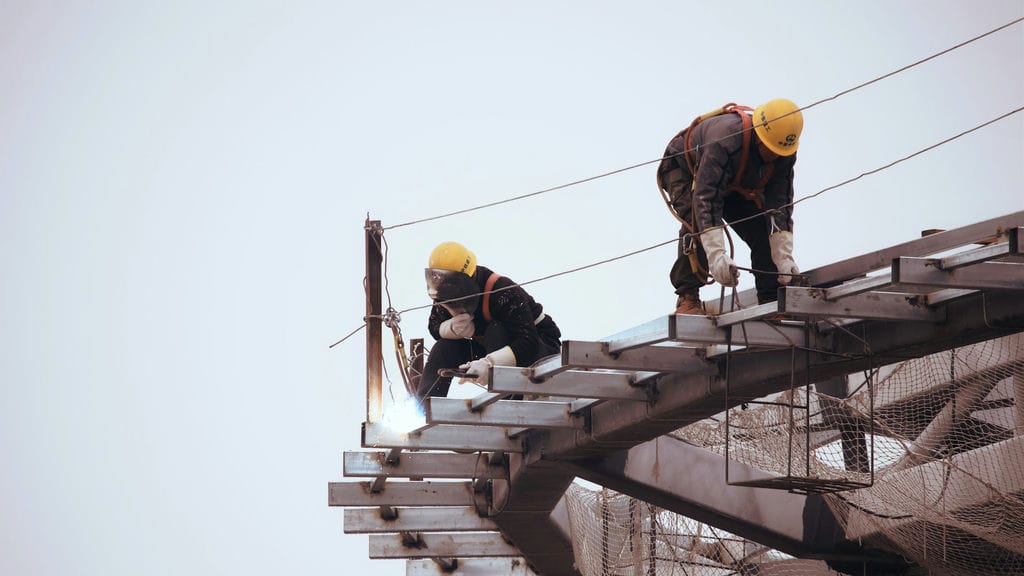
PPE within construction sites would be high visibility vests, safety goggles, safety harnesses, and hard hats.
-
Chemical Storage
This area is not vital as it is not in all construction sites, but it will reduce the risk of fires, explosions, asphyxiation, explosions, and pollution.

Conclusion
If you ever worked on a construction site, or simply walked by one when it was in full swing, you can see that it is a hectic scene. By creating an efficient construction logistics plan, a construction site can look like a crazy hectic scene, but still be planned down to the little details of when screws arrive to the construction site. Furthermore, to create a safe construction site, it is important to have proper planning and provide effective safety planning for the site.
In the event that the logistics becomes too much of an undertaking for you, contact a SAC construction site logistics expert to assist you in the planning and transport. Call us now at (866) 452-3657.