Shipping a Fifth Wheel Trailer
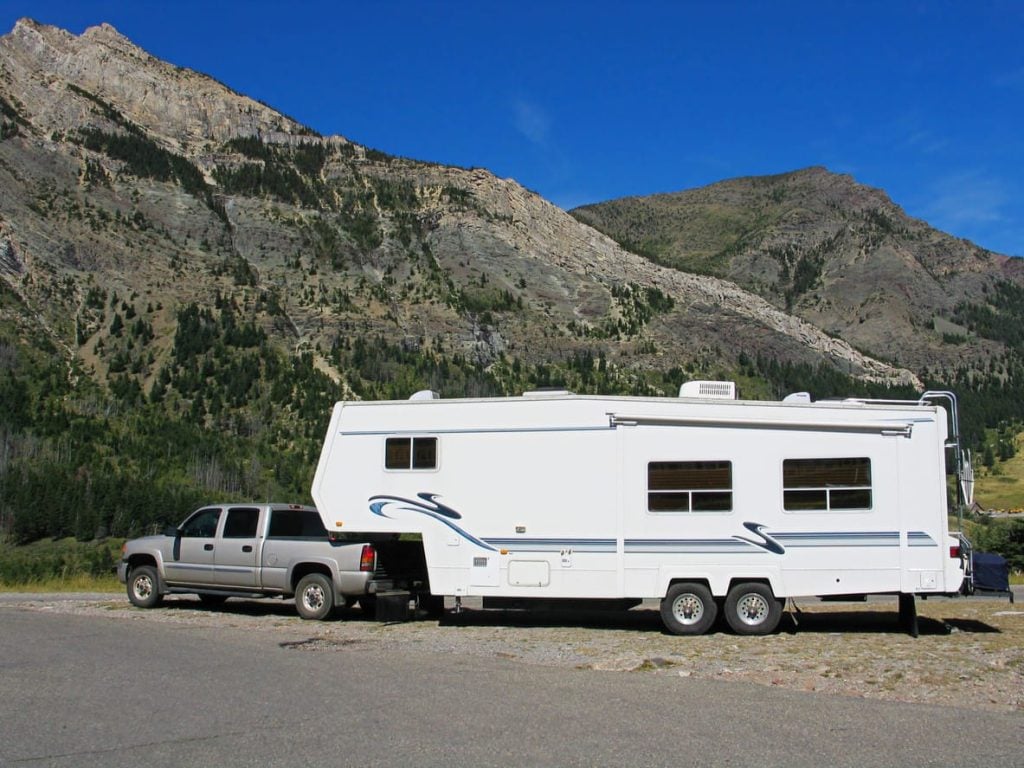
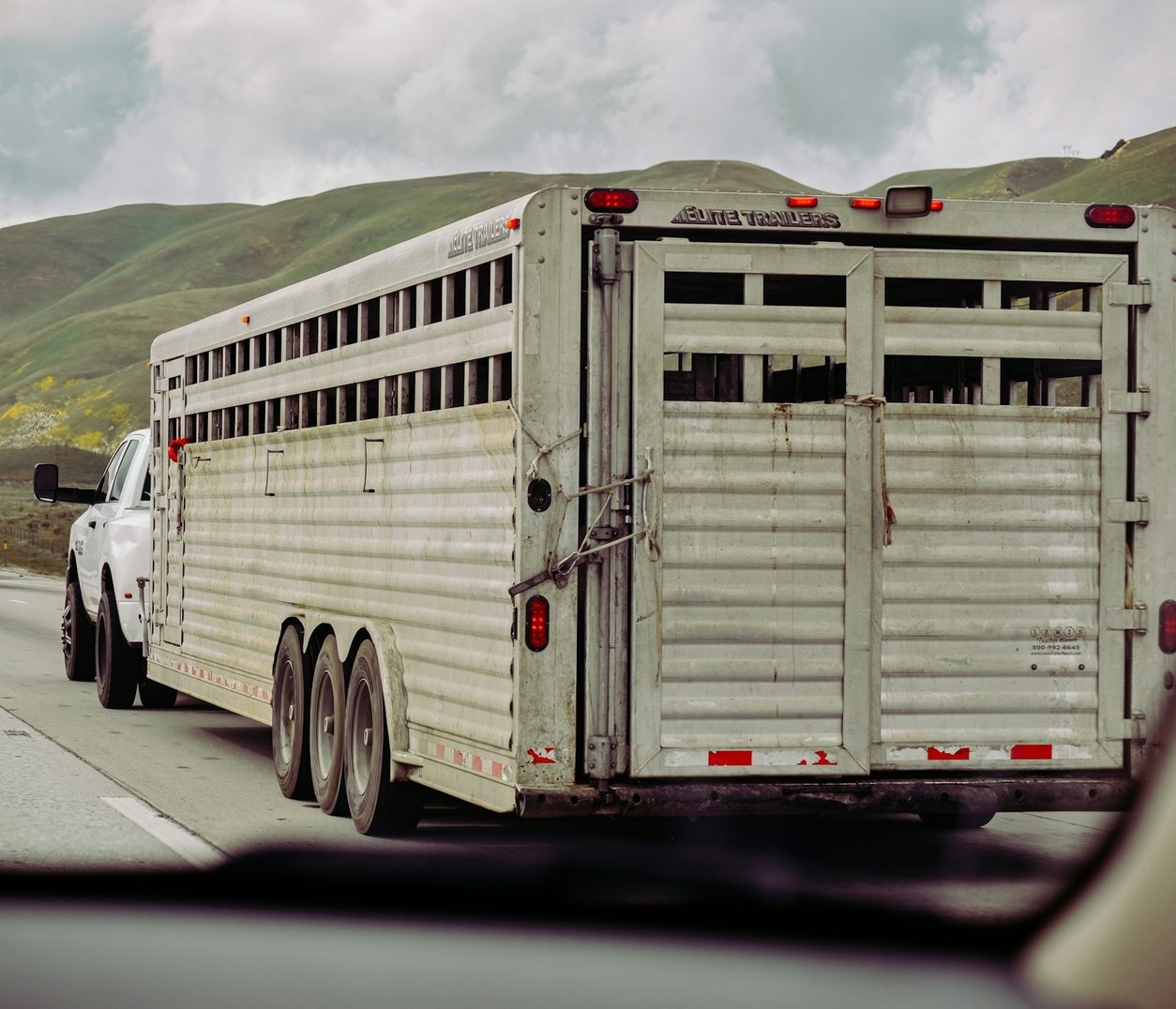
Fifth wheels are almost always towed rather than carried, and the reason is height. A typical fifth wheel stands 12 to 13 feet 6 inches tall on its own wheels, which is already close to the 13 feet 6 inch legal limit. Put it on a trailer deck and you add another four or five feet, which puts it far over. So the question is rarely which trailer to use. It is whether your fifth wheel is roadworthy enough to be towed, and the answer usually comes down to its tires.
The Tires Are the Usual Problem
RV tires age out whether or not they are used, and this catches more owners than any other single issue.
A fifth wheel that has sat on a pad for four or five years may have tires with full tread and no visible damage that are nonetheless unsafe at highway speed. Rubber degrades with time, sunlight and load, not just mileage, and a blowout on a tall trailer at 60 miles an hour is a serious event that also damages the bodywork above it.
Check the date code on the sidewall rather than the tread depth. If the tires are old, replacing them before the tow is far cheaper than a roadside failure and the damage that follows. A carrier may also decline to tow on tires they judge unsafe, which costs you the slot.
While you are there, check the spare, the bearings and the brakes. A seized hub on a long tow is the other expensive failure.
Towed or Hauled
Towed is the normal method. A truck with the right hitch and capacity connects to the kingpin and pulls it, exactly as you would. It needs the trailer to be roadworthy: sound tires, working lights, functioning brakes, a serviceable kingpin and landing gear.
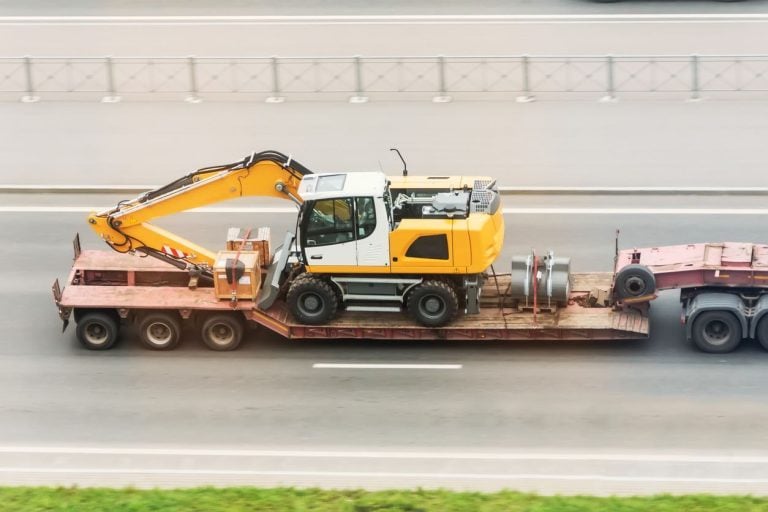
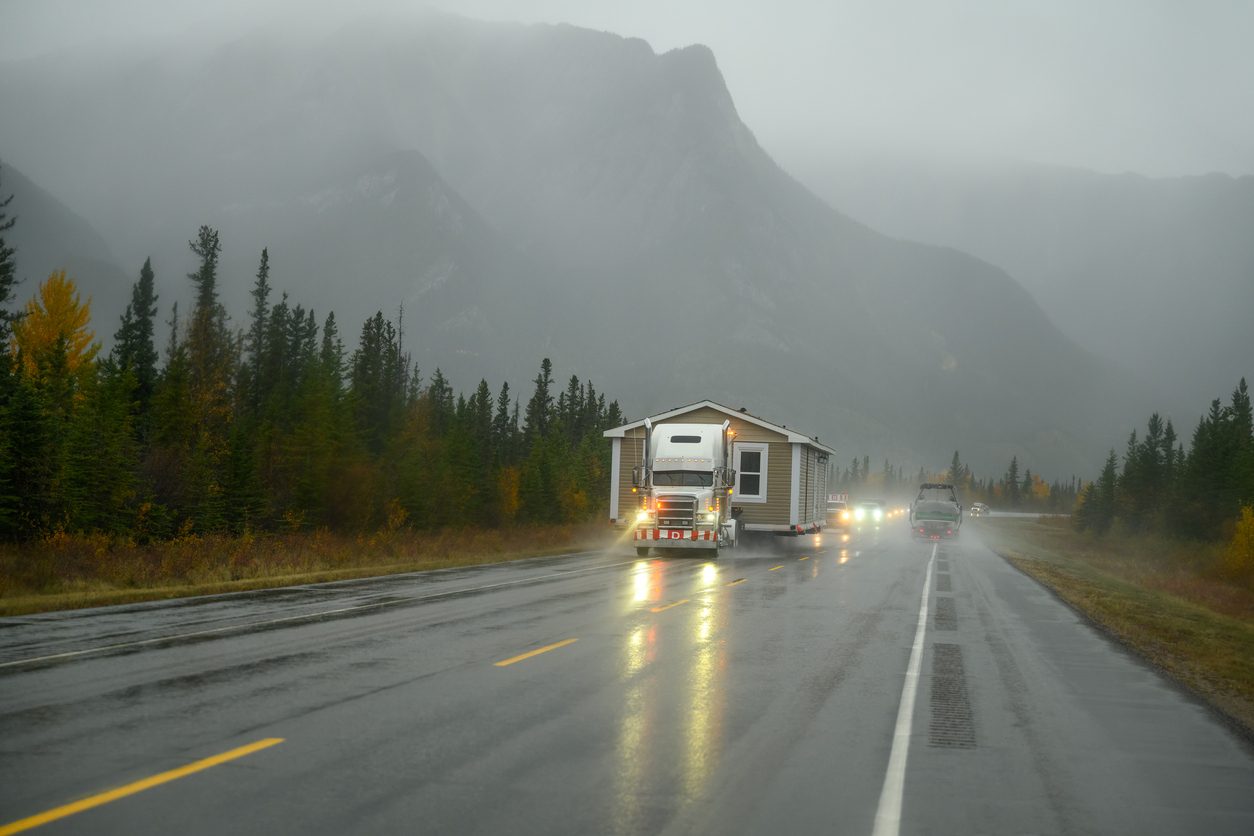
Hauled on a deck is possible for smaller units but is unusual, because of the height problem above. Where it does happen it is normally for a trailer that cannot be towed safely, and it will need a lowboy or step deck plus a permit.
Be straight about condition when you book. A trailer described as tow ready with flat tires or a seized jack cannot be taken, and the load goes back out for dispatch.
Measure Before You Book
Give the length, the height at the tallest point including any roof mounted air conditioning, and the weight. Manufacturer figures describe the unit as it left the factory, and yours may carry solar panels, a satellite dome or a second air conditioner that were added later.
Width is usually inside the 8 feet 6 inch limit, but slide outs and awnings can project. They should be fully retracted, and if anything still protrudes, it needs declaring.
Preparing It
Retract every slide out and lock them. Retract and secure the awning. Raise and pin the landing gear and stabilizers.
Inside, treat it as a vehicle rather than a room. Latch every cabinet and the refrigerator, secure or remove anything loose, and empty the fresh, gray and black tanks. Turn the propane off at the bottle and, ideally, remove the bottles. Disconnect the battery or put it on a tender.
Outside, close and lock all bays and the entry door, cap the sewer connection, and remove anything mounted temporarily.
Photograph the Roof
Almost nobody does this, and it is the single most useful photograph you can take.
The roof is where a fifth wheel accumulates damage and where nobody looks, so it is also where a condition dispute becomes unresolvable. Get up a ladder, photograph the whole roof including the seals, the air conditioning units and the vents, and date the images. Then do the sides, the front cap and the tires.
Walk it with the driver at collection so existing damage is on the condition report before it moves.
What It Costs
A towed fifth wheel is priced on distance, size and weight, and it sits above a car on the same lane because it needs a suitable truck and a driver comfortable with the tow. A hauled unit costs more again because it occupies deck space and may need a permit.
Permits, where height or width require them, are the largest single variable. Retracting everything retractable and giving accurate measurements is the cheapest way to keep the load legal.
Common Questions
Will it be towed or carried? Towed, almost always. Its own height plus a deck would exceed the legal limit.
Do the tires really matter? Yes. RV tires age out even unused, and a carrier may decline to tow on tires judged unsafe.
Do I need to empty the tanks? Yes. Water is weight and it moves in transit.
What about the propane? Turn it off at the bottle, and remove the bottles if you can.
What if it is not roadworthy? Say so. It becomes a hauled load needing a low deck and possibly a permit.
Get a Quote
Call Ship A Car, Inc. at (866) 452-3657 with the length, height, weight, and whether it is roadworthy enough to tow.