Arizona Heavy Equipment Shipping
Arizona is an easy state to move heavy equipment through and a punishing one to move it in during summer, and the two facts are worth separating. The routing is straightforward: wide roads, a simple interstate grid and few of the low bridges and weight restricted structures that complicate the Northeast. What Arizona takes back is heat, distance between services, and a mountain and canyon geography that quietly removes the direct route on a lot of lanes.
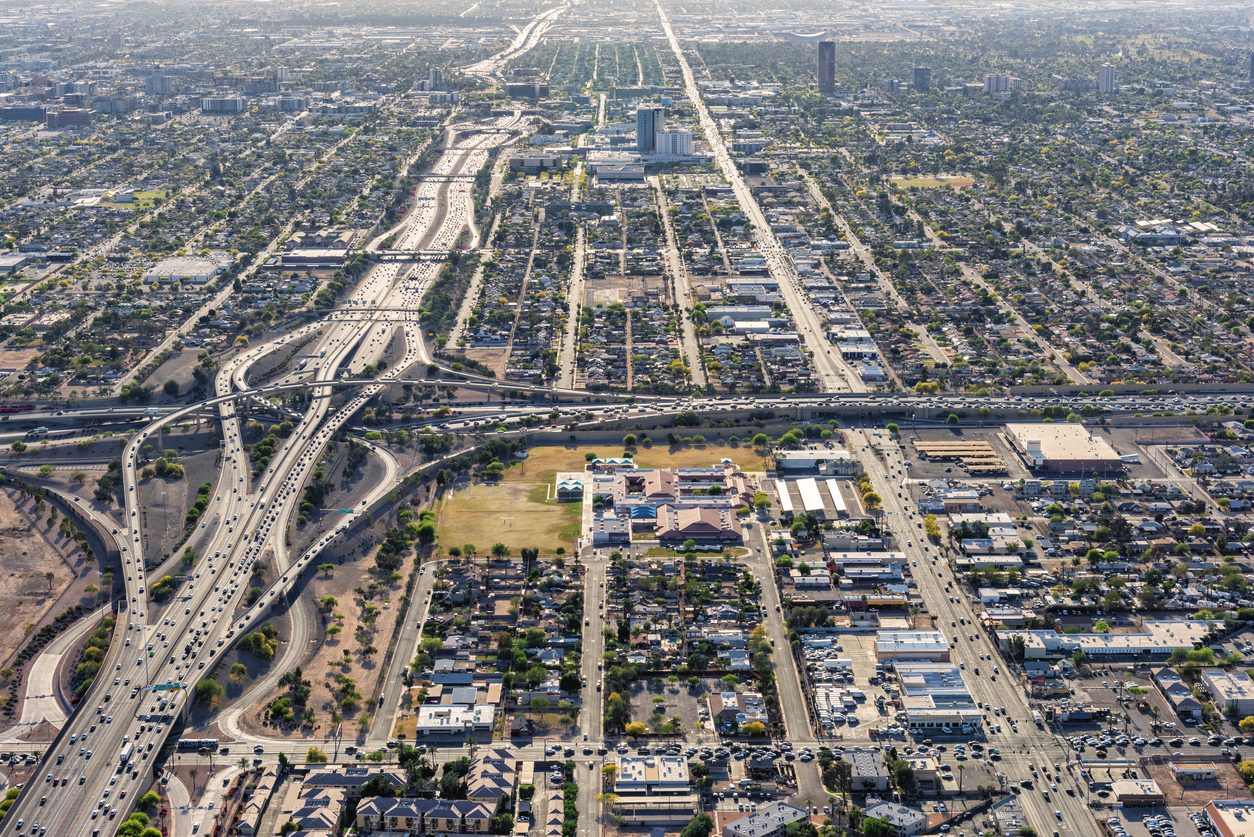
The Legal Limits
Start with what moves without a permit, because Arizona follows the federal figures rather than setting its own the way California does.
Maximum width is 8 feet 6 inches, maximum height is 13 feet 6 inches measured from the road surface, and gross weight is capped at 80,000 pounds with 20,000 on a single axle and 34,000 on a tandem.
The height figure is the one that catches people, because it includes the trailer. A flatbed deck sits around 5 feet off the road, so a machine 9 feet tall is already at 14 feet and over the limit before anybody has measured the cab. A step deck buys roughly a foot and a lowboy considerably more, and on many machines that choice alone decides whether you need a permit.
Permits and Escorts
Past any of those limits the load needs an oversize or overweight permit from the Arizona Department of Transportation, issued against a specific machine, a specific configuration and a defined route.
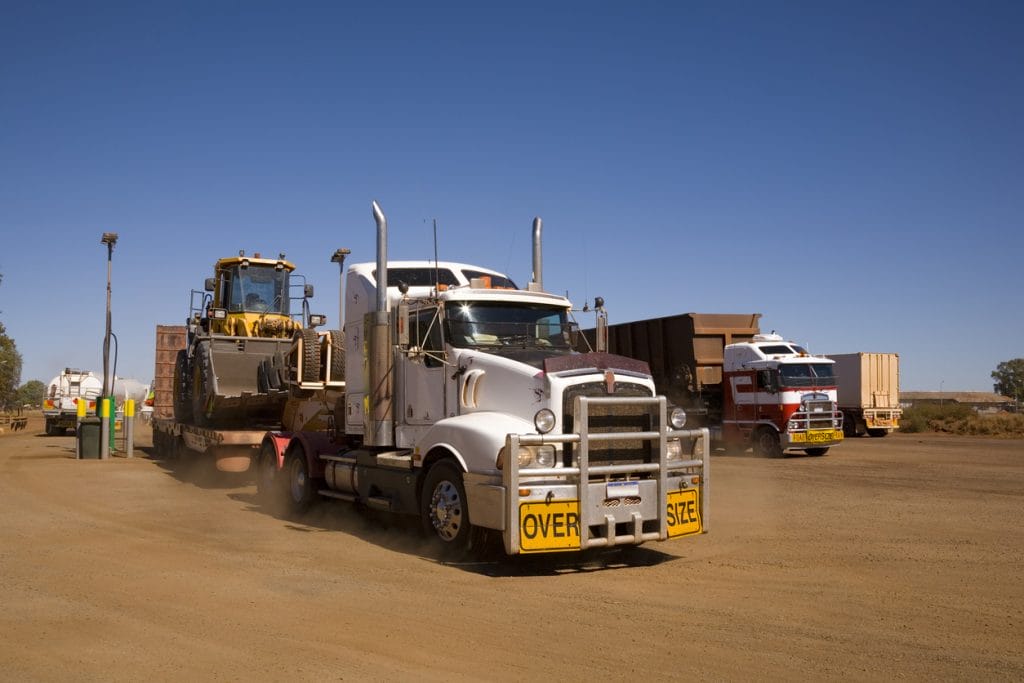
Routine permits are normally issued quickly. Wider loads bring pilot cars into the picture, with the thresholds set by the state and varying with the type of road, and the largest loads require engineering review of the structures on the route, which takes considerably longer.
Tribal lands are a genuinely Arizona specific consideration. Substantial portions of the state, including large areas in the north and east, fall under tribal jurisdiction, and a route crossing them can require separate permitting from the tribal authority in addition to the state permit. That is a question to raise at the quoting stage rather than at the boundary.
Heat Is the Real Operational Constraint
Phoenix and Yuma run past 110 degrees for extended stretches of the summer, and that affects equipment transport in specific ways rather than general ones.
Tires are the first. Heat raises pressures and road surface temperatures are far above air temperature, which is hard on trailer tires carrying a heavy load. Reputable carriers plan around it and inspect more often, and it is a reason not to push a marginal tire onto a July run.
Hydraulic systems and batteries on the machine itself suffer too. A machine sitting in full sun on a deck for three days arrives extremely hot, and fluid levels checked in a cool yard read differently at the destination.
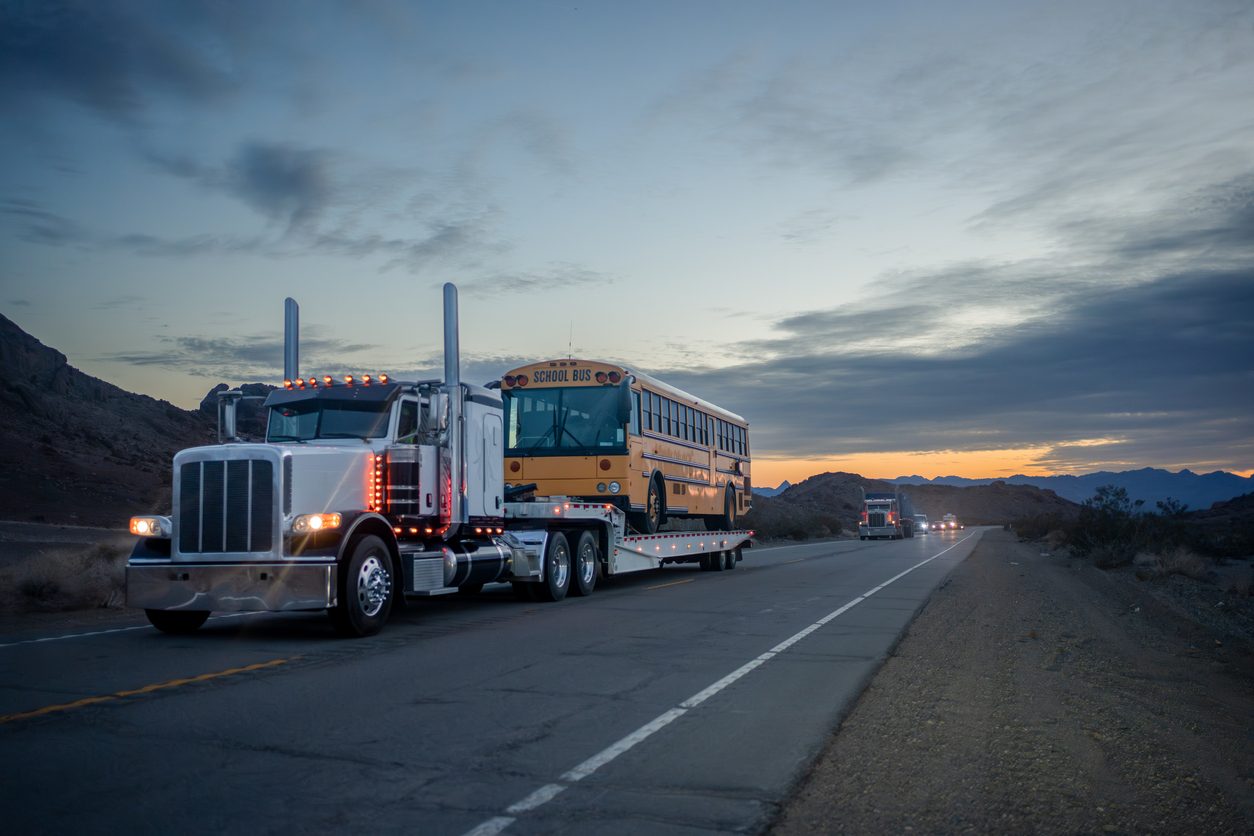
The practical mitigation is scheduling. Summer heavy haul in Arizona frequently runs early morning and overnight, both because it is easier on the equipment and because permitted daylight movement in peak heat is genuinely uncomfortable and slower. Expect a summer schedule to look different from a winter one.
The Geography Removes Routes
Arizona looks simple on a map and is not, because a large part of it is canyon and mountain.
The Grand Canyon divides the north of the state, and there is no crossing for a heavy load between the Navajo Bridge area and the routes well to the east or west. A destination that looks close on a map can be several hundred miles by road.
Elevation matters as well. Flagstaff sits at around 7,000 feet with genuine winter weather, snow and chain requirements, which surprises people who think of Arizona as uniformly hot. Interstate 17 between Phoenix and Flagstaff climbs steeply and long, and a heavy load moves slowly on it in both directions.
The other consideration is distance between services. Long stretches of Arizona highway have very little in the way of fuel, tire service or recovery, so a breakdown with a permitted load is a longer problem here than in a dense state.
What Actually Moves
Three sectors generate most of the volume and they need different equipment.
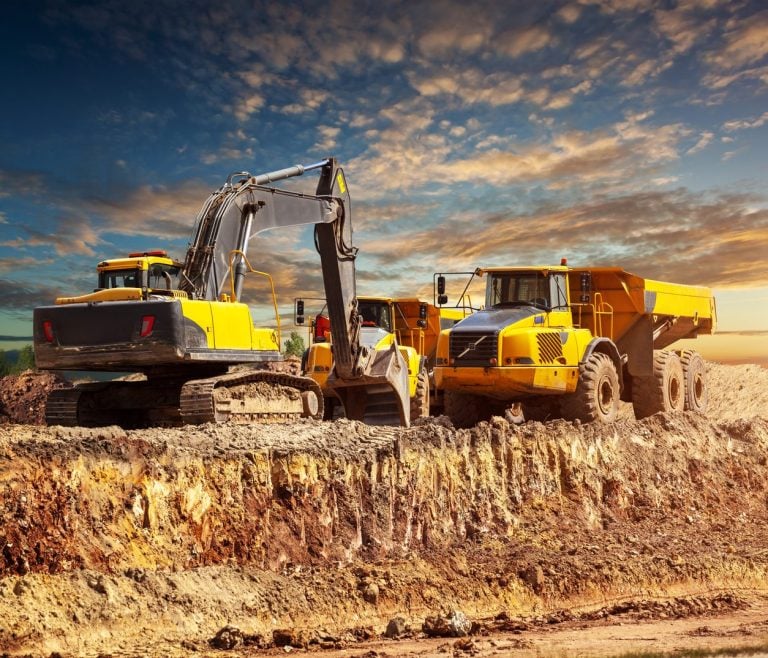
Mining is the largest and the heaviest. Arizona is a major copper producer and mine equipment is at the extreme end: haul trucks, shovels and crushers that move as superloads in multiple pieces with engineering review and long lead times.
Construction runs on the Phoenix and Tucson growth corridors, moving excavators, dozers, loaders and cranes between sites and rental yards. And agriculture in Yuma and the Casa Grande area moves tractors, harvesters and specialized machinery, most of which is wide rather than heavy and much of which moves hard against a planting or harvest window.
Choosing the Trailer
The machine picks the trailer rather than the other way round.
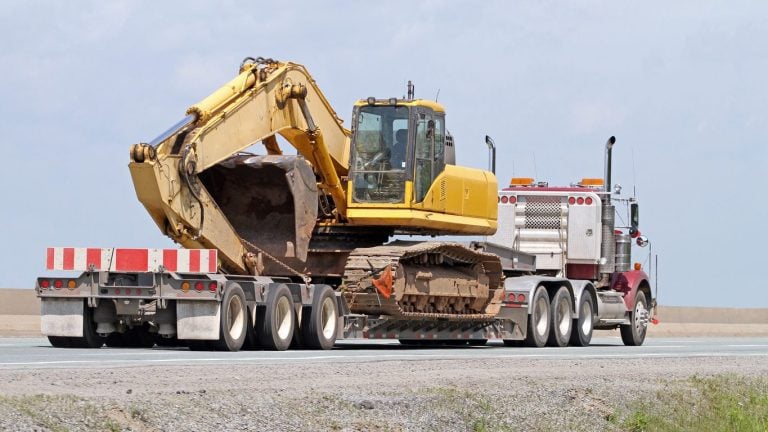
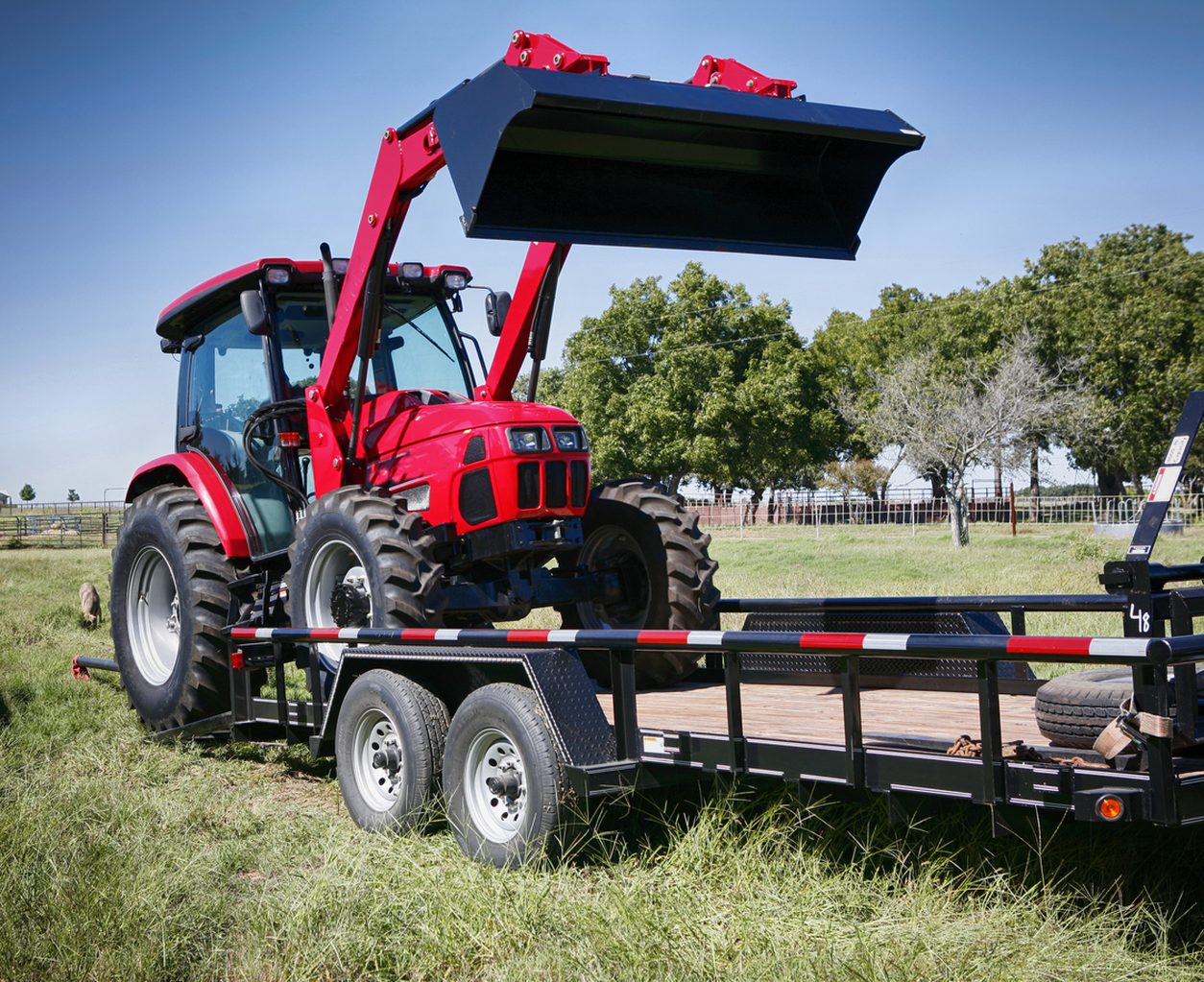
A flatbed suits smaller equipment such as skid steers, mini excavators and attachments. A step deck lowers the deck about a foot and handles mid size machines. A lowboy or removable gooseneck drops it further and is what large dozers, excavators and cranes travel on. Multi axle and stretch configurations spread weight to satisfy the federal bridge formula, which limits what can sit within a given axle spacing regardless of the gross figure. Our guide to wide and oversize loads covers those rules in detail.
Preparing the Machine
Give an accurate weight from the manufacturer’s specification or a certified scale, and include everything traveling with it. Counterweights, attachments, full tanks and fluid filled tires all add weight that is invisible from outside. Give the measured height from the ground to the highest fixed point rather than the brochure figure.
Then reduce the envelope where you can. Removing a counterweight, lowering or removing a boom, taking off a bucket or swapping wide pads can bring a load under a threshold and save a permit, an escort and the routing restrictions that come with both.
Secure or remove anything loose, drain what needs draining, and clean the tracks and tires, since carried material is both weight and a road hazard. Photograph the machine in daylight from every side before it loads, including the undercarriage, the glass and the hour meter, and get existing damage described specifically on the bill of lading rather than as general wear.
Common Questions
What are the legal limits in Arizona? 8 feet 6 inches wide, 13 feet 6 inches high from the road, and 80,000 pounds gross. Arizona follows the federal figures.
Do I need a tribal permit? Possibly. Large areas of the state are under tribal jurisdiction and may require separate authorization alongside the state permit. Raise it when you book.
Does summer heat affect shipping? Yes, mainly through tires and scheduling. Summer heavy haul frequently runs early morning and overnight rather than midday.
Why is my route longer than it looks? The Grand Canyon and the mountain terrain remove direct crossings, and a heavy load cannot take many of the shorter roads.
Does it snow in Arizona? Around Flagstaff, yes, at about 7,000 feet. Winter chain requirements and closures apply on the northern routes.
Get a Quote
Call Ship A Car, Inc. at (866) 452-3657 for heavy haul and specialized freight with the machine’s make and model, its measured width, height and weight, and both site addresses, or price it with the specialized transport calculator.