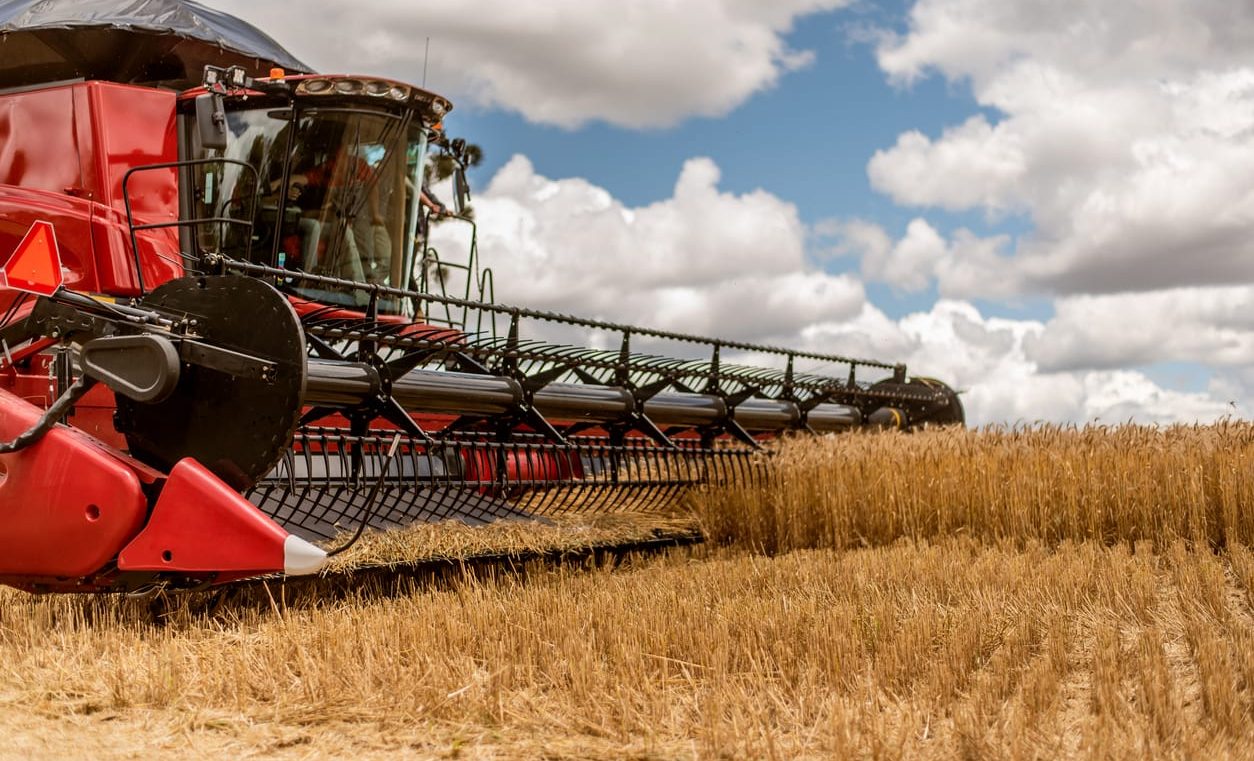
Here’s Why SAC is the Smart Choice for Harvester Shipping Services

Every Harvester Type Handled

Combines, forage harvesters, cotton pickers, windrowers, and specialty crop machines, each moved on the trailer its height and weight actually need.

Permits Pulled Before the Load

Width, height, and weight permits for every state on the route, and escort vehicles where the width requires them, are secured before the machine rolls onto the trailer.

Scheduled Around the Crop

Pickup and delivery windows are planned around planting and harvest dates, because a late machine costs acres. No deposit is taken until a carrier is assigned to your move.

Why Clients Trust Ship A Car, Inc.

Harvester Freight Follows the Crop Calendar

Machines move with the harvest. Combines follow the wheat run from Texas and Oklahoma up through Kansas and Nebraska into the Dakotas from late May through August, forage harvesters chase silage season in late summer, cotton pickers head for the Texas High Plains, the Delta, and Georgia in September, and beet and potato machines work the Red River Valley and Idaho in early fall. Dealer trades and auction purchases then surge from November into March, once the fields are empty and the sale bills go out. Book ahead of your window when you can. Trucks with RGN trailers and drivers who know farm loading get scarce at each peak, and lead time is what keeps both the schedule and the rate under control.

Preparing a Harvester for Transport

Empty the grain tank, the crop hopper, or the cotton basket completely, because the carrier permits and prices off real scale weight and a full tank is thousands of pounds nobody permitted. Remove or secure the head, fold the unloading auger and the tank extensions, retract ladders and mirrors, and lock the cab. Power wash the whole machine, especially the undercarriage, before pickup: soil and crop residue can trigger an agricultural inspection hold at a state border station, and a hold is a day lost and sometimes a cleaning bill. Photograph every side and the hour meter, then leave about a quarter tank of fuel, enough to load and unload. If the duals are coming off to reduce width, have them off before the truck arrives. The driver secures the machine; the farm removes the wheels.

Width, Escorts, and Fifty Rule Books

Every state writes its own oversize rules. Anything over 8 feet 6 inches wide needs a permit everywhere, most states bring in escort vehicles somewhere between 12 and 14 feet of width depending on the road class, and several add daylight only travel, height poles, or weekend and holiday bans on top. A harvester crossing three states needs three permits that agree on one route, and one state’s Sunday ban can add a day the other two never asked for. Some western and southern states also run agricultural checkpoints that look at soil and seed on incoming equipment. That coordination is the quiet half of the job, and it is done and confirmed before your machine loads.

Loading Day: What the Driver Needs From the Farm

A harvester drives onto the trailer under its own power, so someone who can operate the machine has to be at pickup and again at delivery. The driver positions the trailer and chains the load; the farm drives the machine on and off. Loading wants a firm, level approach about 100 feet long for trailer and machine together, and a turnaround the truck can make while loaded. A field entrance off a gravel county road usually works, a farmyard hemmed in by grain bins and a shop usually does not, and the load moves to the field edge instead. Your coordinator confirms the loading spot from photos or a satellite view before dispatch, because a truck that cannot turn around is the most expensive mistake in this business. Securement follows the federal rules: rated chains at the axles and frame, never on hydraulic cylinders or the unloading auger, with the condition documented on the bill of lading at both ends.

Height, Weight, and the Trailer

Thirteen feet of machine on a flatbed deck is an illegal load everywhere, which is why harvesters ride low. A removable gooseneck drops the deck to about 18 inches and lets the machine drive on from the front under its own power, and it is the default for combines, forage harvesters, and cotton machines. A double drop does the same job for a machine that has to be winched or pushed aboard. Weight sets the axle count: a 40,000 pound machine is a routine permitted load on a standard RGN, while a loaded class 10 combine or a large cotton picker may need a three or four axle trailer, and the permit fees and the rate follow the axles. Lighter machines on a step deck save money only when the height and weight really allow it, so the trailer is settled from the spec sheet on the first call, not on pickup day.

Who Ships Harvesters With Us

Custom harvest crews following the wheat north, farms bringing home a used machine bought from a dealer or an online auction two or three states away, dealers moving demo units and trade ins between stores, and estates and retirement sales sending a fleet to buyers who cannot drive it home. First time buyers and crews that ship every June get the same plan: dimensions confirmed, permits pulled, the head handled as its own load, and one coordinator answering the phone from the quote to the delivery signature.

Harvester Questions We Answer Every Week

Can the head stay on? On a narrow head, sometimes, at a higher permit tier; on a 30 foot or wider header, no. Do I need my own header trailer? No. If you have one it rides along or tows behind; if not we book the second load. Can you move the grain cart, the tractor, and the header wagon too? Yes, and a crew moving a full outfit gets one coordinator and one schedule for all of it, with the tractor priced the way our tractor shipping page describes. What does it cost? Harvester moves are quoted per job because the head, the duals, the states crossed, and the permits change every one; the calculator gives a starting figure and the coordinator firms it before dispatch. Is it insured? Every carrier carries active cargo insurance that we verify before assignment, and the permits and escorts sit on the carrier’s side of the paperwork, not yours.

Book Harvester Shipping with Ship A Car, Inc.

Have the make and model, the head type and width, the tire or track setup, both locations, and your cutting or delivery deadline ready. Your dedicated coordinator confirms weights and dimensions, pulls the permits, arranges a header trailer if you need one, and stays your single point of contact through delivery. The rest of the farm and construction lineup moves the same way; see our equipment shipping page for the full range. Start with the freight shipping cost calculator or call (866) 452-3657 to get on the schedule ahead of the season.

From the quote to your driveway.

Lock in your price today

CALCULATE YOUR SHIPPING RATE IN 3 EASY STEPS!
Ready to transport your harvester with SAC?
Continue

Ready to set up your transport with SAC Today?

Our transport representatives are available by calling (866) 452-3657 to answer all your questions.
Get an instant quote NOW
All Alaska & Hawaii Classic Cars Heavy Haul Industry News Luxury Cars Military Specialty Transport Tips-Tricks Useful
This website uses cookies to ensure you get the best experience. Learn More.