
What a Load Board Is, and How It Sets the Price You Pay
Somewhere between your booking and a truck arriving, your car almost certainly crossed a load board, the marketplace where freight looking for trucks meets trucks looking for freight. Most customers never hear the term, yet the board is where your price stopped being a quote and became an offer that a real driver either took or ignored.
Here is how the boards work, what your shipment looks like on one, and why understanding this explains half the strange behavior in vehicle shipping.
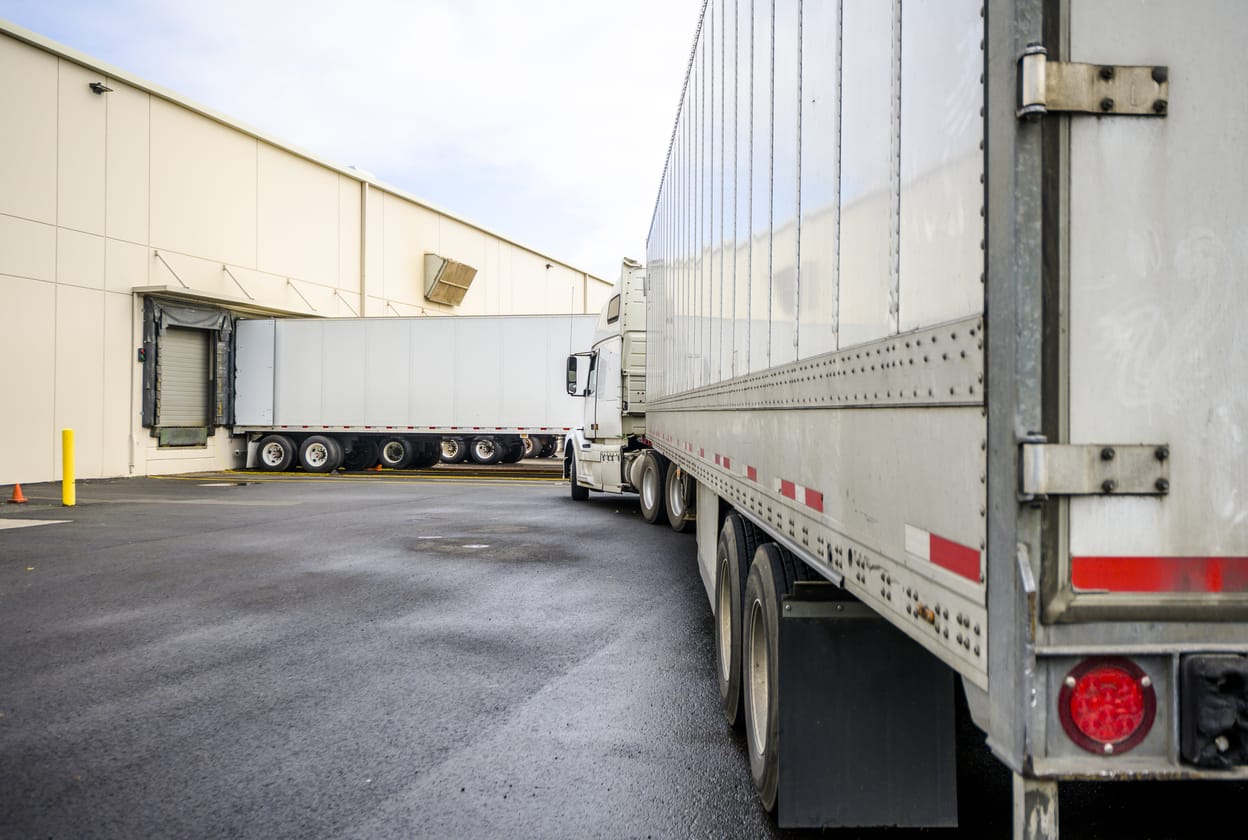
The Marketplace Under the Industry
A load board is a subscription marketplace (a handful of major ones dominate) where brokers and shippers post loads with origin, destination, dates, equipment needed and offered rate, and carriers search for loads along the routes they are already running. There are general freight boards and boards specific to vehicles, and a busy lane sees hundreds of postings a day, refreshing continuously as loads get taken and reposted.
It exists because the carrier side is thousands of small operators whose trucks are only profitable full in both directions. The board is how a driver delivering nine cars into Atlanta finds nine more coming out, and how your single car in a suburb becomes visible to every truck passing within fifty miles of it this week.
What Your Car Looks Like on a Board
A posting, roughly: pickup area and window, delivery area, vehicle description (running or not, size, anything unusual) and the rate offered to the carrier. Drivers and dispatchers scan those postings the way traders scan a market, weighing each against where the truck already needs to go, what the miles pay, and how much trouble the load smells like.
Every detail you gave at booking is now doing work. An accurate description gets accepted and stays accepted; a car that turns out lifted, lowered or non-running at the curb is a posting that was mispriced, and repricing it costs you days. An address a 75-foot rig cannot reach reads as trouble, and trouble waits longer at any price.

Why This Explains the Strange Behavior
Why a cheap quote produces silence: a posting below the lane’s going rate does not get rejected. It just sits there unchosen while drivers take the better-paying loads around it. Nobody calls to decline. The silence IS the market’s answer, and the “revised” price that follows is the posting being repriced to reality.
Why flexibility is worth money: a five-day window lets your posting catch every truck passing through the corridor that week; a single fixed day has to find the truck that happens to be there that day, and scarcity prices accordingly.
Why prices differ week to week: the board is a live market. Season, direction, fuel and how many cars are competing for trucks on your lane move the clearing rate continuously, the mechanics behind why quotes vary for the same route.
Why the same load can be seen by good and bad carriers alike: the board shows postings to everyone subscribed. The filter is the broker’s vetting, checking the authority, insurance and record of whoever accepts, the process in reading a carrier’s safety record and not the board itself.
The boards also produced the industry’s data layer, which quietly benefits you. Because millions of postings clear at real accepted rates, lane pricing is measurable in a way it never was. Brokers can see what a route actually pays this week rather than guessing, and the honest ones price your quote from that data. When a company can tell you what would change your price at pickup and roughly where your lane has been trading, you are hearing the board’s data read back to you; when a company just names a low number and hopes, you are hearing the absence of it.
Can You Use One Yourself?
Practically, no, and it is worth being straight about why. The boards are industry subscription tools; some will not sell access to private individuals at all. Posting requires knowing the lane’s going rate within a few percent. Post high and you overpay, post low and you sit invisible. Carriers weigh the poster’s reputation and payment history when choosing loads, and a one-time private poster has neither. And when something goes wrong mid-route, a posting has no accountable party behind it.
That set of problems, market knowledge, reputation, vetting, accountability, is the actual product you buy from a broker, as covered in what an auto transport broker actually does. The board is the tool; the judgment around it is the service.

What This Means for Your Booking
Three practical translations. Describe the vehicle and the access exactly, because the posting built from your answers is what a driver accepts or avoids. Give a window rather than a day, because the board rewards reach. And treat the lowball quote as what it is on the board: a posting drivers will scroll past, with your dates attached to it.
Common Questions
What is a load board? A subscription marketplace where brokers post loads and carriers pick the ones that fit routes they are already running. Most vehicle shipments cross one.
Why did my cheap quote go nowhere? Underpriced postings are not declined. They sit unchosen while drivers take better-paying loads. The silence is the answer.
Can I post my own car on a board? Effectively no: access, rate knowledge, reputation and accountability all work against a one-time private poster.
Does the board vet carriers? No. It shows postings to every subscriber. Vetting the carrier that accepts is the broker’s job and the check worth verifying.
Why does honesty at booking matter so much? Your answers become the posting. A load that surprises the driver at the curb gets repriced, and repricing costs days.
Get a Quote
Call Ship A Car, Inc. at (866) 821-4555 with both zip codes, the vehicle’s details and your date range, or price the move with the instant calculator.