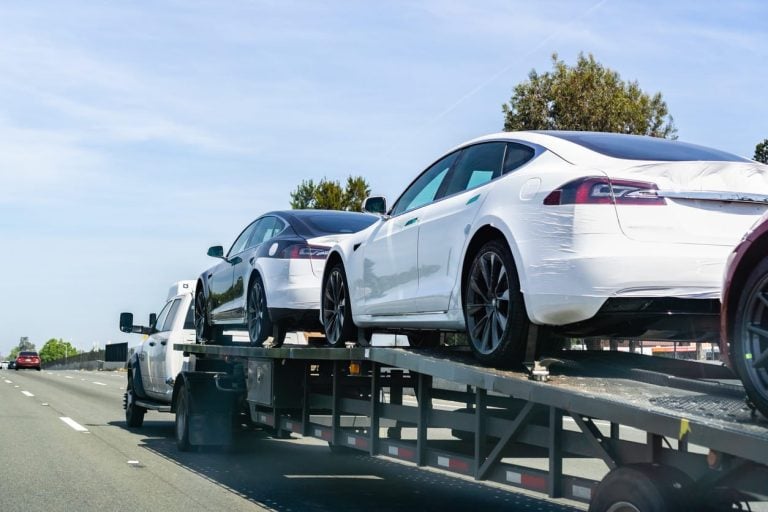
The real difference is not price, it is who does the vetting. On a bidding marketplace you post what you need, transporters bid, and you choose between them, which means the checking of authority, insurance and reputation is your job. With a traditional broker you give your requirements and the company prices the lane, selects a carrier from a network it maintains, and answers for the result. Both models move cars every day. Which one suits you depends on how much of that work you want to do yourself.
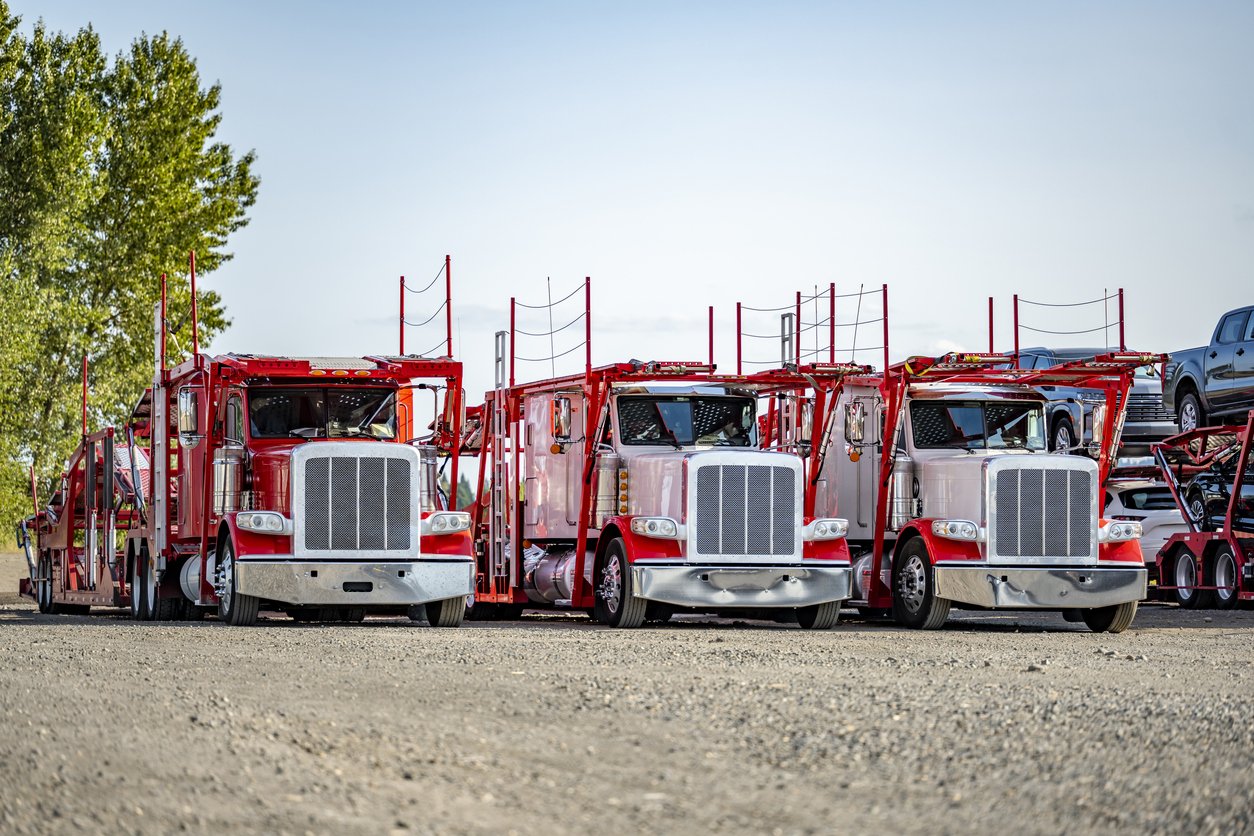
How a Bidding Marketplace Works
You list the vehicle, the two locations and your dates. Transporters registered on the platform see the listing and submit bids. You compare them and pick one.
The appeal is obvious. You see multiple offers side by side, you can wait for a better one, and on a flexible timeline that competition can produce a low number. Marketplaces also handle a wide range of freight beyond vehicles, so if you are moving a car and something awkward at the same time, one listing can cover both.
The trade-off is that the platform is an intermediary for the transaction rather than a party to the shipment. The bids you receive vary in quality, and sorting them is the part that takes real attention.
What You Take On When You Choose the Provider
If you are picking a transporter from a list of bids, four checks are yours to run and none of them are optional.
Confirm the operating authority. Anyone moving vehicles for money must be registered with the Federal Motor Carrier Safety Administration, and you can verify any company by name, MC or DOT number in a couple of minutes.
Confirm the cargo insurance and the limit, and get the certificate rather than a claim that coverage exists. Read the feedback with an eye for patterns rather than a star average. And be clear on what the bid actually includes, because a low bid that omits door to door service is not the low bid.
None of that is difficult. It is simply work, and it is work you are doing instead of the company.
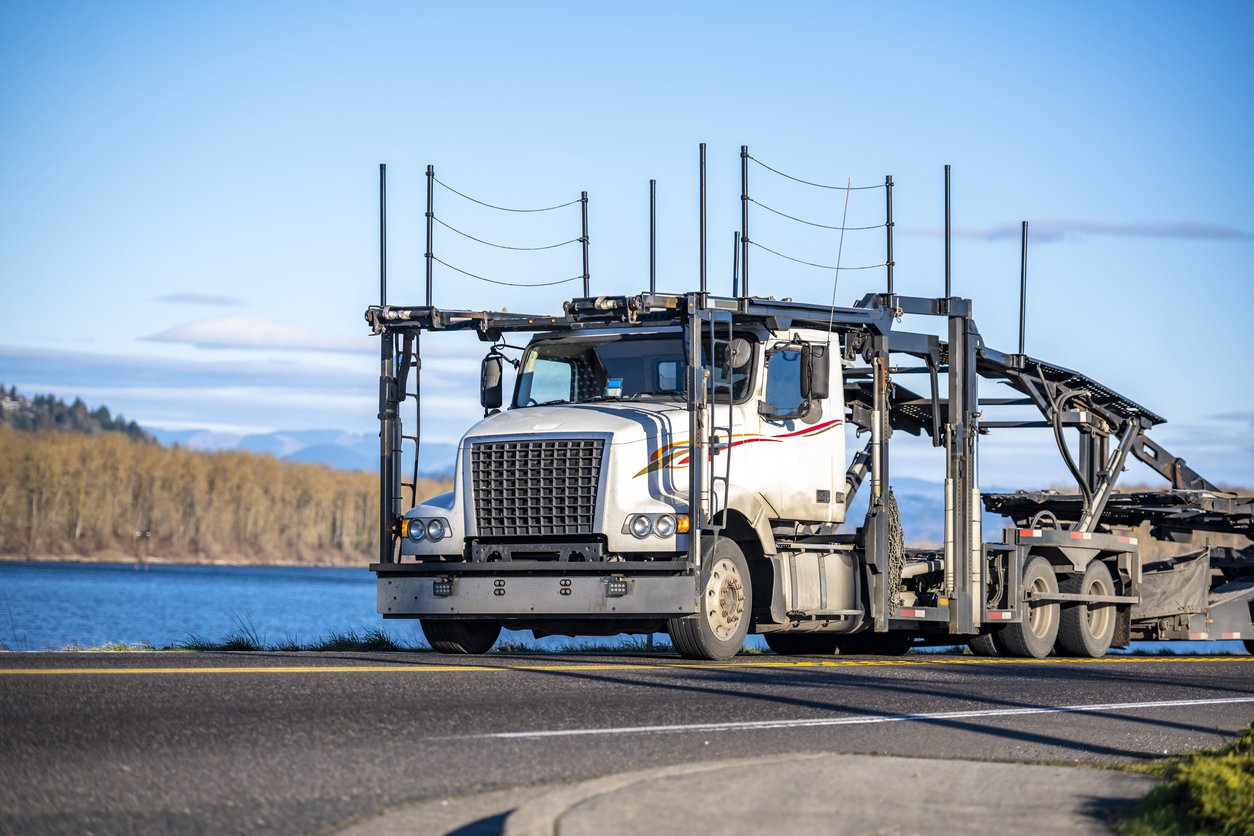
How a Broker Works
A broker holds its own federal authority and maintains a network of carriers it has already checked. You give the route, the vehicle and the dates, and the broker prices the lane and dispatches the load.
The vetting happens before your car is ever assigned. Active authority and current insurance are confirmed as a condition of being in the network, which is the same set of checks described above, done once and kept current rather than repeated by every customer.
You also get one accountable party. When a schedule moves, there is a company whose job it is to tell you and to find the alternative.
Where the Prices Actually Land
Neither model is inherently cheaper, because both are buying from the same pool of trucks.
A bid and a broker quote are both attempts to name the rate at which a carrier will accept your lane. Set below that rate, either one sits unassigned. This is why the lowest number on a listing sometimes never turns into a collected car, and why an unusually low quote from anyone deserves the question of what happens if nobody takes it.
What genuinely moves the price is the same in both cases: distance, how close the pickup sits to a main corridor, the direction of travel, vehicle size, and the season.
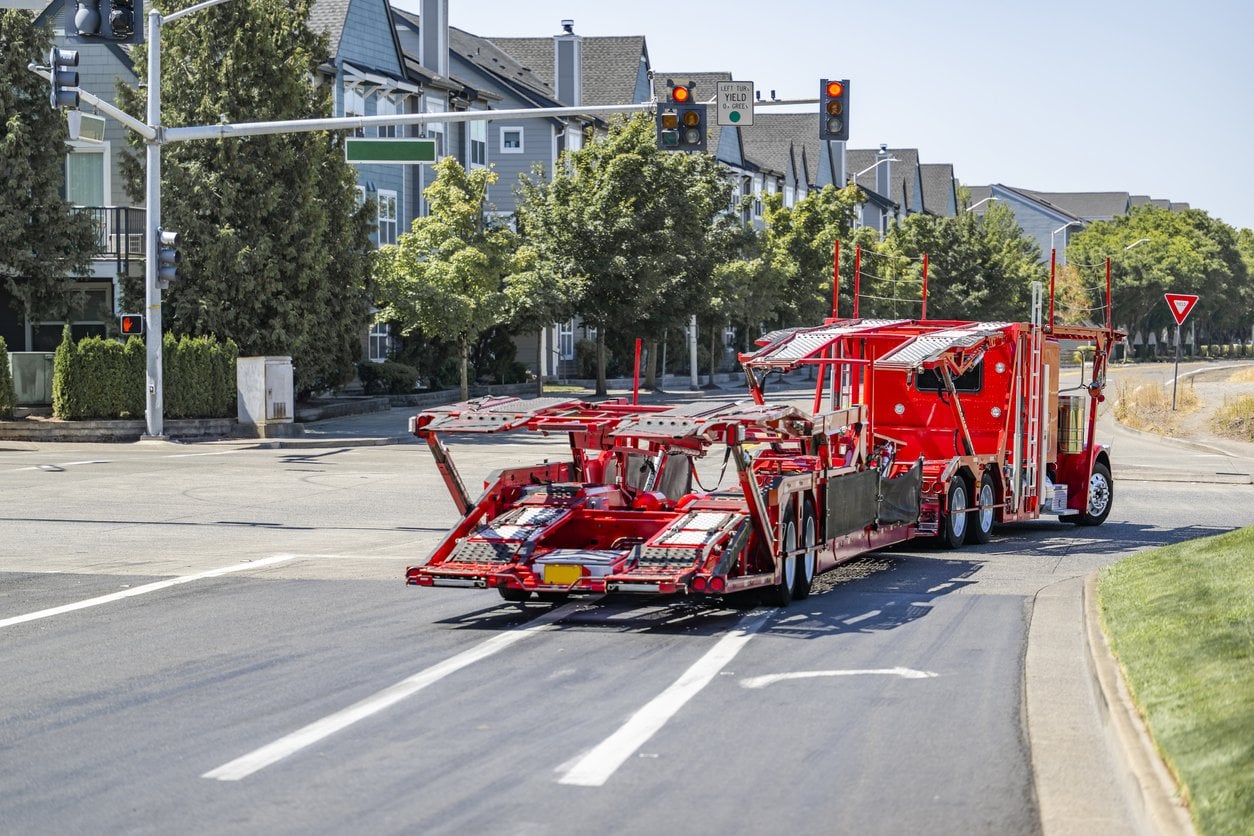
Which One Suits You
A marketplace makes sense if your timing is genuinely flexible, you are comfortable vetting a transporter yourself, and you are moving something outside the ordinary run of cars, or several unrelated things at once.
A broker makes sense if you want the vetting already done, you want one person to call, or your dates are tied to something real like a closing, a lease ending or a flight. It also tends to suit anything non standard in the vehicle itself, a car that does not run, an oversized truck, a classic needing enclosed transport, where matching to the right equipped carrier matters more than the headline rate.
Ship A Car, Inc. is a broker, and we think that model suits most people shipping a car. If you would rather run the checks and choose a transporter yourself, that is a legitimate way to do it, and the list above is what to check.
Common Questions
Is a bidding marketplace cheaper? Sometimes, on a flexible timeline. Both models buy from the same pool of trucks, so a rate below what carriers accept sits unassigned either way.
Who checks the transporter on a marketplace? You do. Verify FMCSA authority, get the cargo insurance certificate, and read feedback for patterns.
What does a broker actually do? Prices the lane, selects a carrier from a pre vetted network, and stays accountable for the shipment.
Which is better for a car that does not run? Usually a broker, because the load has to reach a carrier with a winch, and that is a matching problem rather than a pricing one.
Can I get quotes from both? Yes, and it is a reasonable way to see what your lane costs. Compare what is included, not just the number.
Get a Quote
Call Ship A Car, Inc. at (866) 821-4555 with both zip codes and the vehicle, or price your lane with the instant calculator.