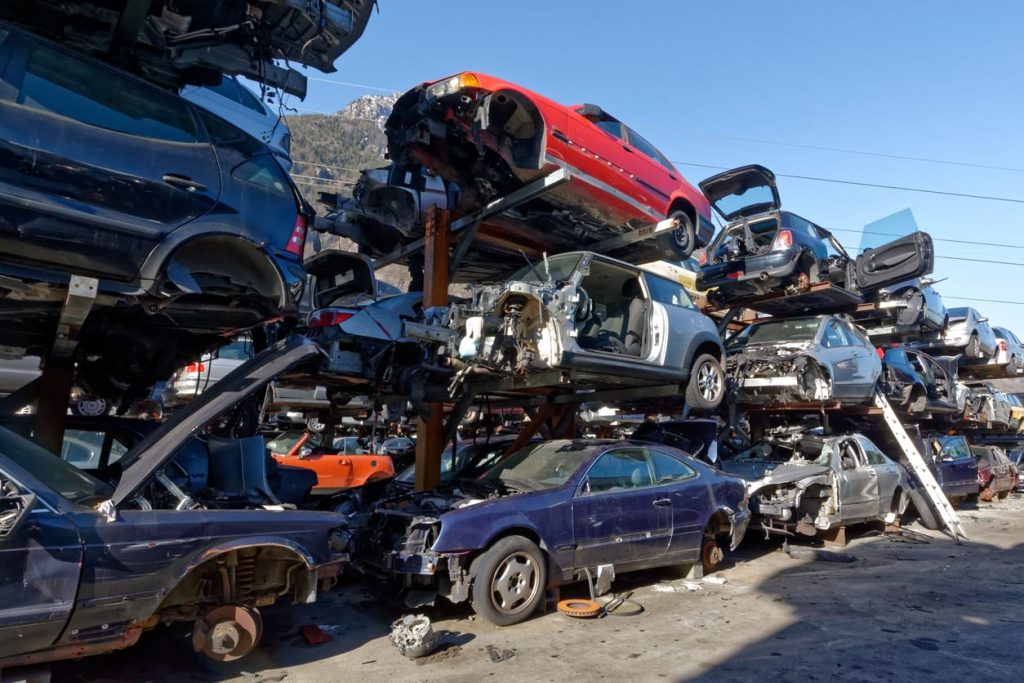
How to Scrap a Car
You cannot scrap a car you cannot prove you own, and the title is the step that stops most people. A licensed scrapyard has to record who sold them the vehicle and has to see documentation, because the alternative is a market in stolen cars. If the title is lost, apply to your state DMV for a duplicate before you contact anyone, since it takes days to weeks and everything else waits on it.
Work Out What It Is Actually Worth
There are two numbers, and they are usually far apart.
Scrap value is weight. A yard buying for the metal pays by the ton against the current scrap market, which moves, and a typical car weighs somewhere between 1.5 and 2 tons. That figure has nothing to do with the car’s history, condition or how well it runs.
Parts value is different and often higher. A car with a functioning engine, a recent transmission, good body panels or an intact catalytic converter is worth more to a dismantler than to a crusher. Get quotes from both kinds of buyer, because the gap between them can be several hundred dollars on the same vehicle.
If the car still runs and drives, check what it would fetch as a running car first. Below a certain point that is the better answer than scrapping it.
The Catalytic Converter
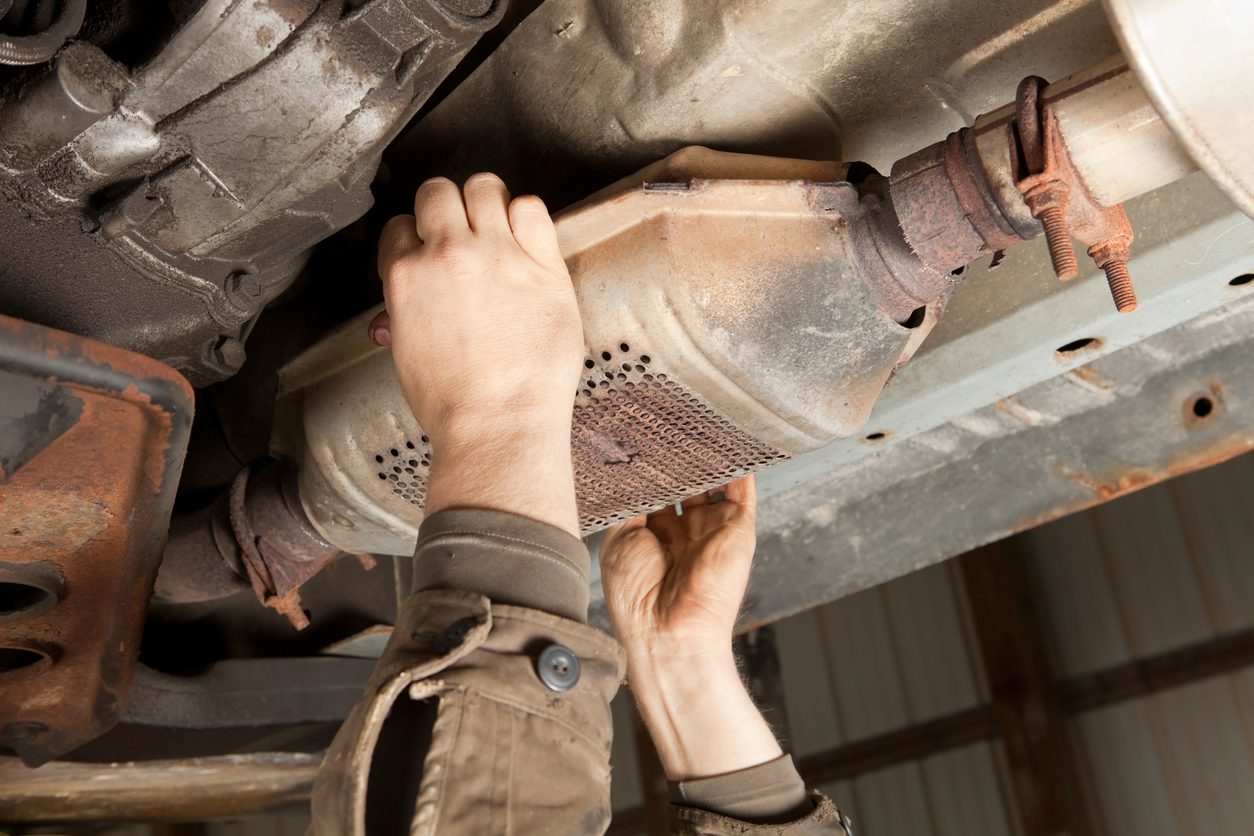
Worth calling out separately, because it is frequently the single most valuable component.
Converters contain platinum, palladium and rhodium, and their scrap value can run into the hundreds. Any quote you receive should account for whether it is present. If yours has already been stolen, say so, because it materially changes the offer and a yard will find out anyway.
Get More Than One Quote
Prices for the same car vary widely between yards, and there is no published rate to check against.
Call several local yards and at least one dismantler. Ask whether the quote includes collection, because a yard offering less but collecting free can net more than one offering more and expecting delivery. Ask whether the price is guaranteed or subject to inspection on arrival, since a quote that drops on the day is a common complaint.
Confirm the yard is licensed. An unlicensed operator can leave you exposed if the vehicle is later linked to something.
Getting the Car There
Most yards within a reasonable radius will collect free, and that is the normal arrangement.
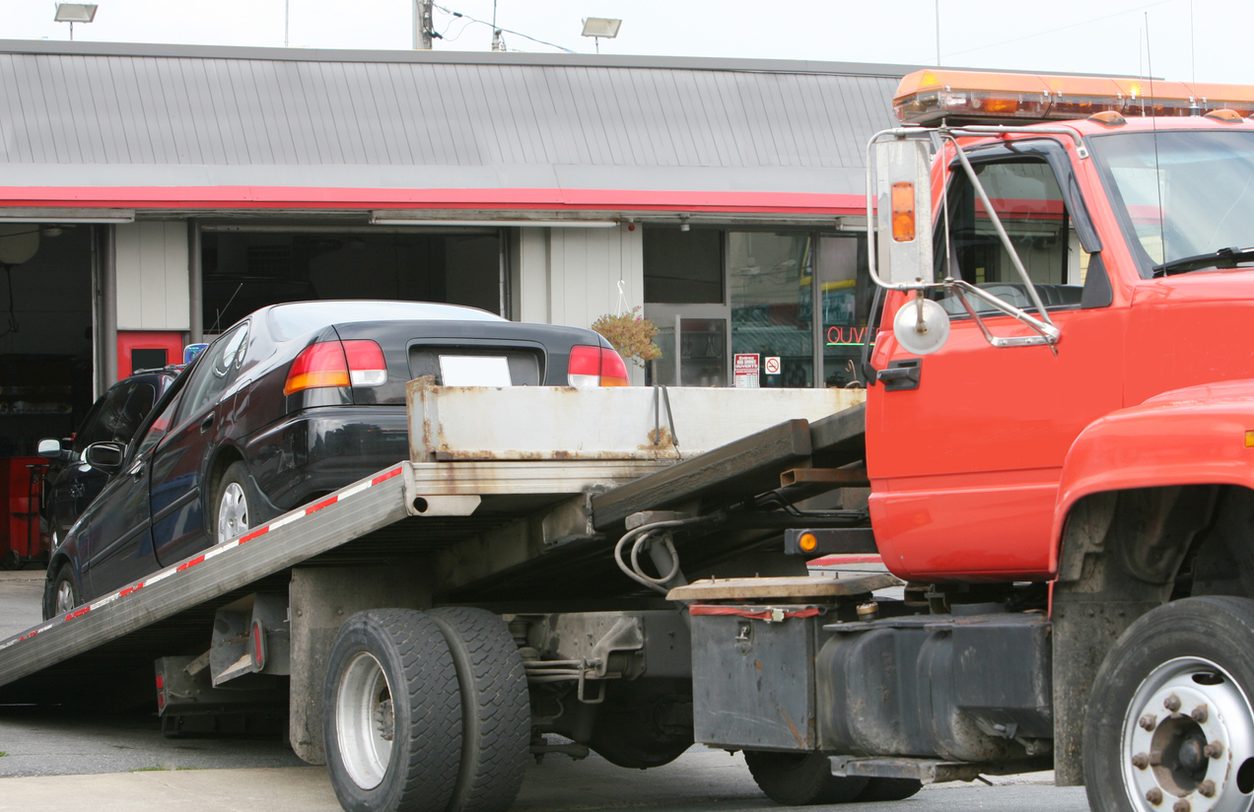
Where it gets complicated is a car that is not local to any yard offering a decent price, or a vehicle worth more to a specific buyer some distance away. A non running car needs a winch and a driver with the right equipment, which typically adds around $100 to $250 to a transport booking.
Be precise about whether it rolls, brakes and steers. Those three things decide whether a standard winch will load it or whether it needs specialist handling at both ends.
Strip It Before It Goes
Once the car leaves, anything left in it is gone.
Empty the cabin, the trunk and the glovebox, and check under the seats and in the spare wheel well. Remove your license plates, since in most states they stay with you rather than the car. Take the toll transponder, any aftermarket stereo or dash camera, and the spare key.
Leave the battery and the catalytic converter in place unless the buyer has agreed otherwise, because removing them usually reduces the offer by more than they are worth to you separately.
The Title Is What Stalls It
More scrap deals fall over on paperwork than on price, and it is worth sorting before you call anybody.
A licensed yard will normally want the title in your name and photo identification that matches it. If the title is lost, your state motor vehicle department can issue a duplicate, and that takes days rather than minutes, so start it early. If the car is still financed, the lienholder has to release its interest first, and a yard cannot legally take it until they do.
Some states allow scrapping an older vehicle without a title using a specific form and proof of ownership such as a registration and a bill of sale. The rules vary and they are enforced, because the paperwork exists to stop stolen vehicles being scrapped. A yard that offers to take a car with no title and no questions is telling you what kind of operation it is.
Donating Instead of Scrapping
If the scrap value is low, donation is worth pricing against it rather than dismissing.
Many charities accept vehicles in any condition, arrange free towing and handle the paperwork. What you get back is a tax deduction rather than cash, and the amount depends on what the charity does with the car: if they sell it at auction, your deduction is generally what it sold for, and if that is under a threshold you may be able to claim the fair market value instead. Get the written acknowledgment, because you will need it.
The arithmetic is straightforward. If a yard offers you 300 dollars and the car sells at auction for 900, a donation may be worth more depending on your tax position. If the yard offers well above the likely auction result, take the cash.
Either way, confirm the organization is a registered charity and that the vehicle is being handled by them rather than by a third party paying them a small commission, which is common and materially reduces what actually reaches the cause.
Cancel Everything Afterwards
The paperwork after the sale matters as much as the paperwork before it.
Notify your state DMV that the vehicle has been sold or scrapped, using whatever release of liability process your state operates. Until you do, the car is still associated with you for tickets, tolls and abandonment. Then cancel the insurance, and return or transfer the plates.
Keep the receipt from the yard and a note of the date, the buyer and the vehicle identification number. It is the only evidence you have that the car left your hands when it did.
Common Questions
Can I scrap a car without a title? Rarely. Apply for a duplicate title from your state DMV first, and allow days to weeks.
What is a scrap car worth? Scrap value is by weight against the current metal market. Parts value is often higher, so get both.
Should I remove the catalytic converter? Not usually. It is often the most valuable part and yards price for it being there.
Will the yard collect it? Most collect free within a radius. Beyond that, transport is a separate arrangement.
What do I do after it goes? File a release of liability with your DMV, cancel insurance, remove the plates and keep the receipt.
Get a Quote
Call Ship A Car, Inc. at (866) 821-4555 if the car has to travel to reach its buyer, with the running condition and both addresses, or request an estimate for it through the quote calculator.