Commercial Car Shipping: A Guide for Businesses
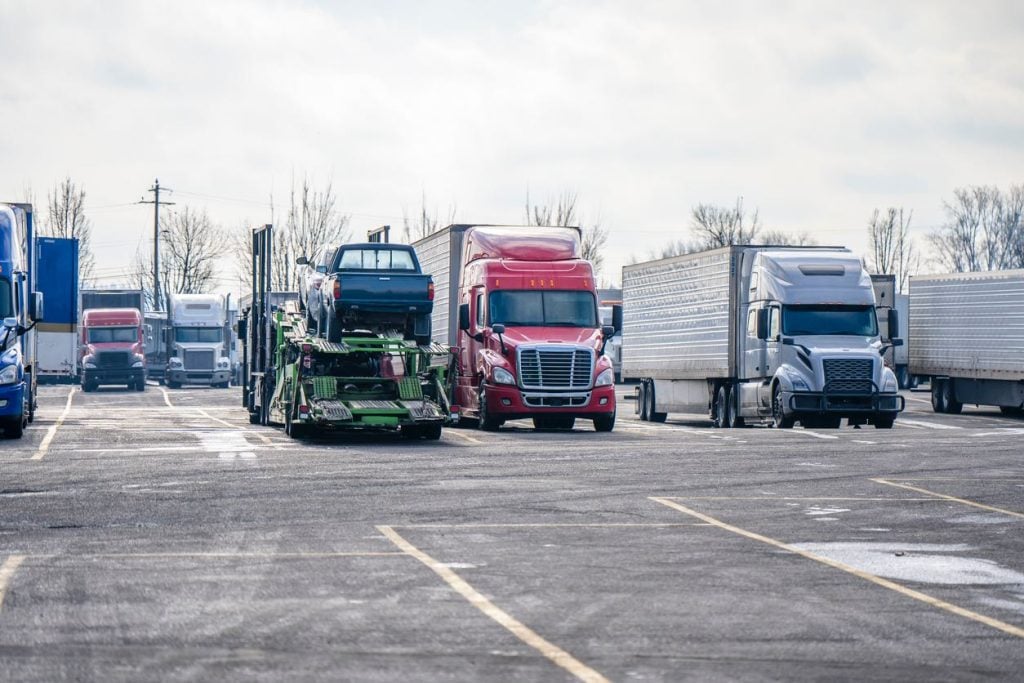
Commercial vehicle transport differs from a consumer move in one way that governs everything else: the deadline belongs to something other than the vehicle. A lease expiry, a dealership opening, a rental fleet’s season, an auction settlement window. Missing it costs more than the transport does, which is why commercial shipping is a scheduling exercise before it is a price exercise.
Who Actually Ships Commercially
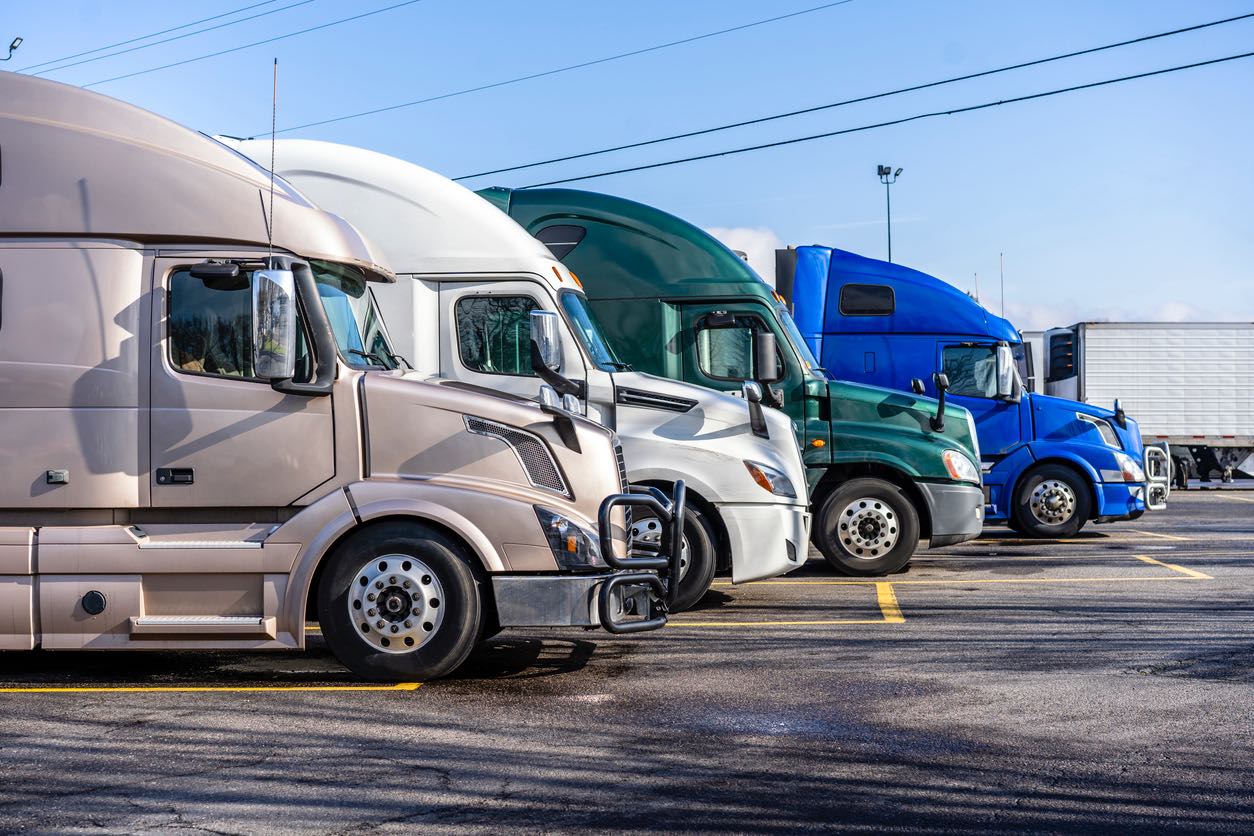
Five categories, with different constraints.
Dealerships moving inventory between locations, taking in trades from a distance and delivering to remote buyers. High volume, short notice, and frequently single vehicles rather than batches.
Rental and car-share fleets repositioning seasonally, which means large volumes on predictable dates and an absolute requirement to hit them.
Corporate fleets relocating vehicles with employees or between depots.
Auction and remarketing, where settlement windows and storage charges make speed the constraint rather than price.
Manufacturers and upfitters moving new units, frequently with tight condition requirements because the vehicle has never been sold.
Work Backward From the Deadline
The commercial mistake is booking transport when the vehicles are ready rather than when the deadline is set.
Vehicle transport wants two to three weeks of lead time on an ordinary lane and three to four in summer, which is the busiest period industry-wide. A commercial move confirmed a week out is buying from a small pool at a premium.
Build float in. One late truck in a five-trailer plan should not break the schedule, and it will if there is no slack.
Give the real constraint rather than a target. A carrier planning around a hard date can commit equipment to it; one told the date is flexible will fill the trailer more efficiently and deliver later.
Staged Delivery Usually Beats All at Once
The instinct on a large move is to get everything there together, and it is frequently the wrong call.

A full open hauler carries seven to ten vehicles. Thirty vehicles is three to five trailers, and getting them all to one place on one day requires that many carriers to converge, which is expensive and fragile.
Staging in trailer-sized batches over a week is usually cheaper and considerably more robust. It also means the receiving site is not trying to process thirty vehicles in an afternoon, which is its own bottleneck.
Where all-at-once genuinely matters, pay for it deliberately rather than assuming it is the default.
The Receiving Site Is Where It Fails
Almost always underestimated, and it is the single most common cause of a commercial delivery going wrong.
A loaded hauler is around 75 feet long and 13 feet 6 inches tall, and unloading needs room to lower ramps and space to move vehicles off. A depot with a wide yard is easy. A dealership lot already at capacity, an office park or a garage with a height barrier is not.
Check three things at every site: whether the truck can physically get in and turn, whether there is room to unload without blocking a public road, and whether there is somewhere to put the vehicles once they are off. A lot that holds ten cars cannot receive thirty.
Then check the human side. Somebody with authority has to be present for the whole window, and unloading ten vehicles is not a five minute handover.
Inspection at Volume
The biggest operational difference from a single-vehicle move.
Every vehicle needs its own condition record, and somebody receiving thirty of them will not do that properly under time pressure unless it has been planned. A rushed sign-off on a stack of bills of lading is how damage claims are lost.
Standardize it before the first truck arrives. Photograph every vehicle at origin, the same angles each time, with the VIN or stock number visible in one shot. Give the receiving person a checklist and enough time, and have them describe damage specifically rather than writing “OK”.
If you cannot staff that properly, that is another argument for staged delivery.
Insurance at Commercial Values
Ask what the carrier’s cargo limit is and whether it is per vehicle or per incident.
This matters far more at volume than on a single car. A limit that comfortably covers one sedan can be exhausted several times over by a loaded trailer in a serious incident, and per-incident limits are common.
Establish the number, compare it against the value on the trailer, and arrange additional coverage in advance where there is a gap. Confirm your own fleet or garage policy covers vehicles in transit, since some are written around use rather than ownership.
What to Declare Up Front
Three things that reliably change a quote after the fact if they are not stated.
Mixed vehicle types. Vans, full size pickups and box trucks take different deck space from sedans. Give a breakdown by type rather than a total count.
Non-runners. In any fleet of size some vehicles will not start. Audit before booking, because a carrier discovering it at collection is a delay and a cost.
Modifications and upfits. Lifts, racks, roof equipment and commercial upfitting change dimensions and sometimes deck position.
And insist on a single coordinator for a multi-trailer move rather than dealing with each carrier separately. Holding the schedule together when one truck has a problem is the service you are buying. Our guide to auto transport for fleet managers covers the operational side in more detail.
Common Questions
How many vehicles fit on one truck? Seven to ten on a standard open hauler, depending on configuration and vehicle size.
Should we move everything at once? Usually not. Staged trailer-sized batches are cheaper, more robust and easier for the receiving site to absorb.
What fails most often? The receiving site: no room to unload, nowhere to put the vehicles, or nobody available for the whole window.
Is the cargo limit per vehicle? Frequently it is per incident, which matters enormously on a full trailer. Establish it before booking.
How much lead time? Two to three weeks ordinarily, three to four in summer, booked from the deadline rather than from when the vehicles are ready.
Vehicles are only one kind of business freight. Our look at freight trucking for the brewery business covers the weight limits, the three tier system and the temperature rules that shape a very different cargo.
Get a Quote
Call Ship A Car, Inc. at (866) 821-4555 with the vehicle count and mix, both site addresses and your hard deadline, or price a move with the instant calculator.