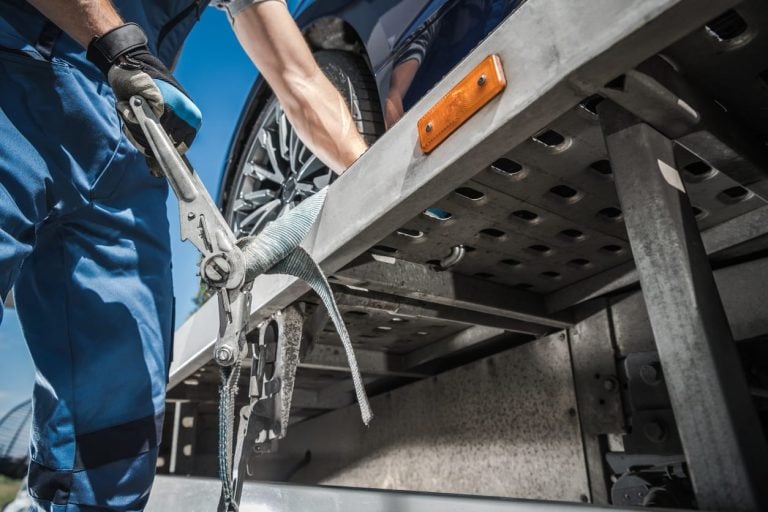
Shipping a Student’s Car to Campus
Student car shipping is a scheduling problem more than a transport one, because every family in the country wants the same two weeks. Late August into September, and again in May, the lanes into and out of university towns fill up completely. Book around that and it is one of the simplest moves there is.
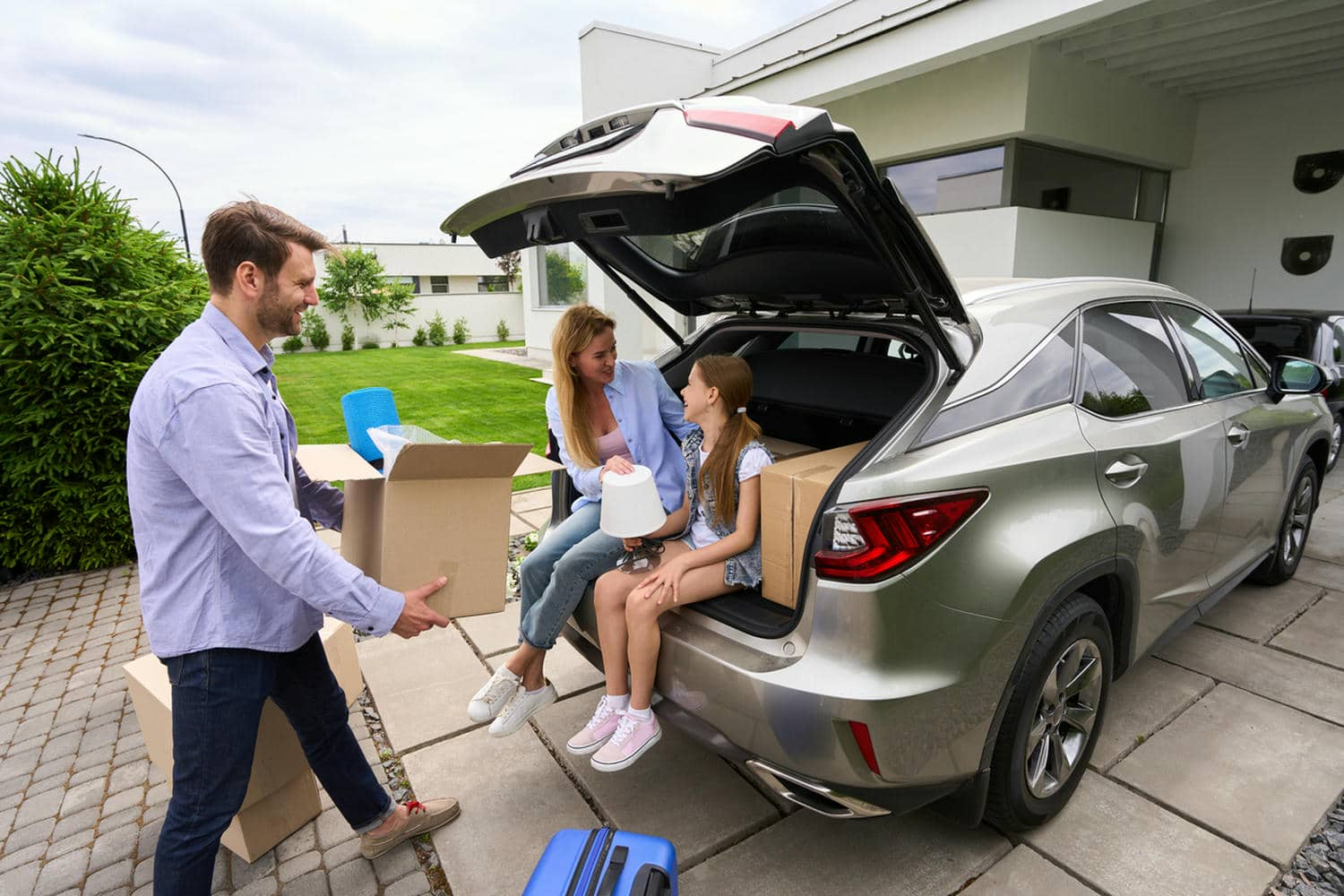
The Academic Calendar Is the Whole Problem
Demand on these lanes is not seasonal in the ordinary sense; it is compressed into a few weeks either side of term boundaries.
Move-in runs from mid August into early September, and it collides with the tail of the summer moving season, which is already the industry’s busiest period. Move-out in May is sharper still because it is concentrated into a fortnight.
Book three to four weeks ahead for those windows, and give a range of pickup days rather than a single date. If your student can be flexible by even a few days, shipping a week before move-in or a week after move-out avoids the crush and costs noticeably less.
Winter break is worth mentioning too. Families frequently ship a car home in December and back in January, and while volumes are lower, weather on northern routes makes those the least predictable weeks of the year for delivery timing.
Campus Addresses Are Not Delivery Addresses
This is the practical constraint and it catches most first time families.
A loaded car hauler is around 75 feet long and 13 feet 6 inches tall. Residence halls, campus roads and the dense student neighborhoods around them are almost never places a truck that size can stop legally and safely, and many universities do not permit commercial vehicles on campus at all during move-in.

The normal arrangement is a meeting point at a large retail lot near a highway exit, usually a short drive from campus. Agree it when you book. Check the university’s own rules too, since some publish designated areas and time windows for move-in deliveries.
If your student cannot meet the driver themselves, name somebody who can, and make sure that person can inspect the vehicle properly, because whoever signs the bill of lading accepts the condition recorded on it.
Should They Take a Car at All?
Worth asking before you spend anything, because for a lot of first year students the answer is no.
Many universities restrict or prohibit first year parking, and where it is allowed a permit can be expensive and the space inconveniently far from the residence. Add insurance, fuel and maintenance and a car that mostly sits is an expensive object.
Where it makes clear sense: an off campus apartment, a job or clinical placement, a rural campus with poor transit, or a student who needs to travel home regularly. Where it usually does not: a compact urban campus with good transit and restricted parking.
If the answer is yes, shipping generally beats driving it there on any lane over a few hundred miles once fuel, a night on the road and the days involved are counted, and it puts no miles on the car.
Preparing a Student Car
The same preparation as any vehicle, with two additions specific to this situation.
Wash it so existing marks are visible, then photograph every panel in daylight, including the wheels, the lower bumpers and the rocker panels, which are what loading marks. Photograph the odometer. Do this yourself rather than delegating it, because it is the reference point if anything is disputed.

Leave about a quarter tank of fuel and empty the car completely. The temptation to fill it with dorm belongings is enormous and it is not allowed: personal items are not covered by cargo insurance, they add weight and they shift in transit. Ship those separately or take them in the family car.
Then the two additions. Make sure the car is actually serviceable before it goes, because a breakdown 800 miles from home is much harder to deal with when the driver is a student. And check the insurance, since a vehicle garaged in a different state for most of the year may need the policy updating.
Cost and How to Keep It Down
Distance sets the base, then the season, the vehicle and the access.
Student cars are usually small and light, which helps: a compact sedan takes less deck space and weight allowance than an SUV and prices accordingly. Most student vehicles are also ordinary enough that open transport is obviously right, which keeps the rate where it should be.
The three levers worth using are the same as any move. Give a range of pickup days. Quote from a meeting point near a highway rather than a campus address. And move outside the move-in and move-out fortnights if the term dates allow any latitude at all.
Be wary of a quote well below the others in those peak weeks. Carriers choose loads from a live board, and a below-market rate sits unaccepted while the date you actually needed passes.
Open or Enclosed
Open transport is right for essentially every student car and it is what keeps the price sensible.
Enclosed is worth considering only if the vehicle is genuinely valuable, which is unusual in this context. Our guide to shipping a car for college students covers the service in more detail.
Common Questions
When should I book? Three to four weeks ahead for August and September move-in and for May move-out. Those windows fill completely.
Can the truck deliver to the residence hall? Almost never. Campus roads and student neighborhoods cannot take a 75 foot truck, and many universities prohibit them during move-in.
Can we pack the car with dorm things? No. Personal items are not insured, add weight and move in transit. Ship them separately.
Is shipping cheaper than driving it up? On anything over a few hundred miles, usually, once fuel, lodging and the days are counted, and it adds no mileage.
Who signs for the car? Whoever meets the driver. Make sure they can inspect it properly, because the signature accepts the recorded condition.
Get a Quote
Call Ship A Car, Inc. at (866) 821-4555 with both zip codes, the term dates you are working to and where the driver can meet your student, or price the move with the instant calculator.