Shipping a Car from Wyoming to Alabama
Wyoming to Alabama is roughly 1,400 miles, and it is one of the more asymmetric lanes in the country: almost no carrier traffic originates in Wyoming, while the Southeast is well served. That imbalance, rather than the distance, is what determines what you pay and how long you wait for a truck.
Why This Lane Behaves the Way It Does
Wyoming is the least populous state in the country. There is very little freight originating there, which means a carrier collecting your vehicle is almost certainly passing through rather than based nearby.
The practical effects are consistent. Assignment takes longer than on a dense corridor, so book with more lead time than the mileage suggests. Flexibility on pickup days is worth more here than almost anywhere, because a wider window lets a dispatcher route a truck through rather than send one specially.
And the return leg matters enormously. A carrier that has delivered into the Mountain West wants freight going back out, which frequently makes an outbound Wyoming load more attractive than it looks.
The Route
Carriers generally run Interstate 25 south from Cheyenne or Casper toward Denver, then Interstate 70 east, picking up Interstate 44 or Interstate 40 across the middle of the country before turning south on Interstate 65 or Interstate 59 into Alabama.
Interstate 80 across southern Wyoming is the other option if the vehicle starts further west, joining the eastward corridors through Nebraska.
Transit is roughly four to six days once the vehicle is collected, plus assignment time before that. Treat the delivery date as a range rather than an appointment.
Wyoming Wind Is a Real Constraint
This is the lane-specific thing worth knowing, and it is not a minor point.
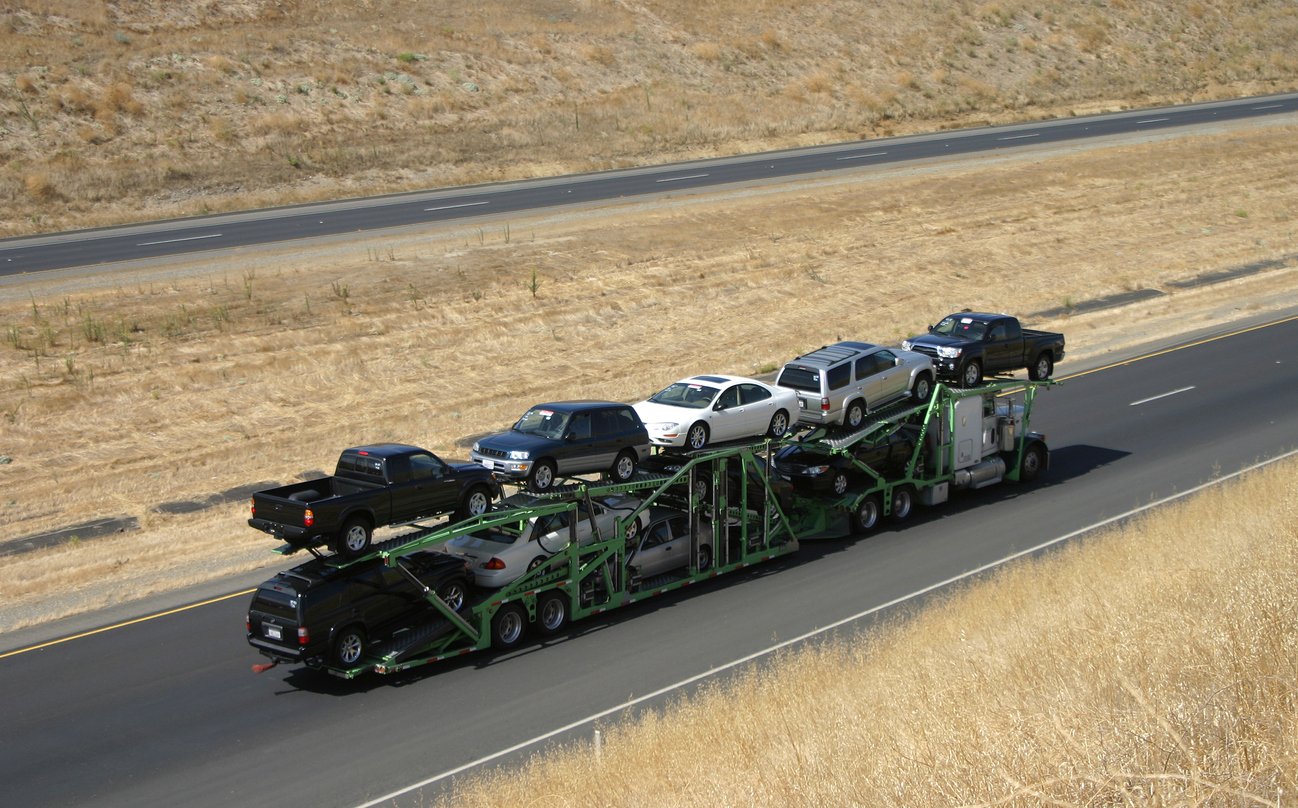
Interstate 80 across Wyoming is one of the most wind-affected stretches of highway in the United States. High wind advisories and closures to light and high-profile vehicles happen regularly, and a loaded car hauler is tall, flat-sided and light for its size, which puts it among the first vehicles restricted.
Ground blizzards are the winter version: wind moving already-fallen snow across open country, closing the interstate with very little notice and sometimes for a day or more.
None of that is a risk to your vehicle. It is a delay, and a driver who parks is making the correct decision. What it means practically is that a winter pickup out of Wyoming deserves a wider window than you would allow anywhere else.
Two Climates, Two Preparations
The vehicle experiences a genuine change.
Leaving Wyoming. If the car has spent winters there it has seen road salt and hard cold. Wash the underside properly before it ships so existing condition is visible, and if it is running winter tires, decide whether they should come off, because they wear quickly in Alabama heat.
Arriving in Alabama. Summer is long, hot and humid. A car on an open upper deck sits in full sun for days, so empty the cabin completely and remove anything that can melt or burst. Once there, covered parking and a windshield shade earn their keep in a way they did not at altitude.
Humidity is the other adjustment. A vehicle sealed up for several days arriving into Gulf-adjacent humidity can develop condensation and a musty interior, which is one practical argument for enclosed transport on a car you care about.
Where the Truck Can Meet You
Wyoming addresses are frequently rural, with long unsurfaced drives, narrow county roads and properties well off the interstate. A loaded hauler is around 75 feet long and 13 feet 6 inches tall, and a great many of those addresses are simply not reachable.
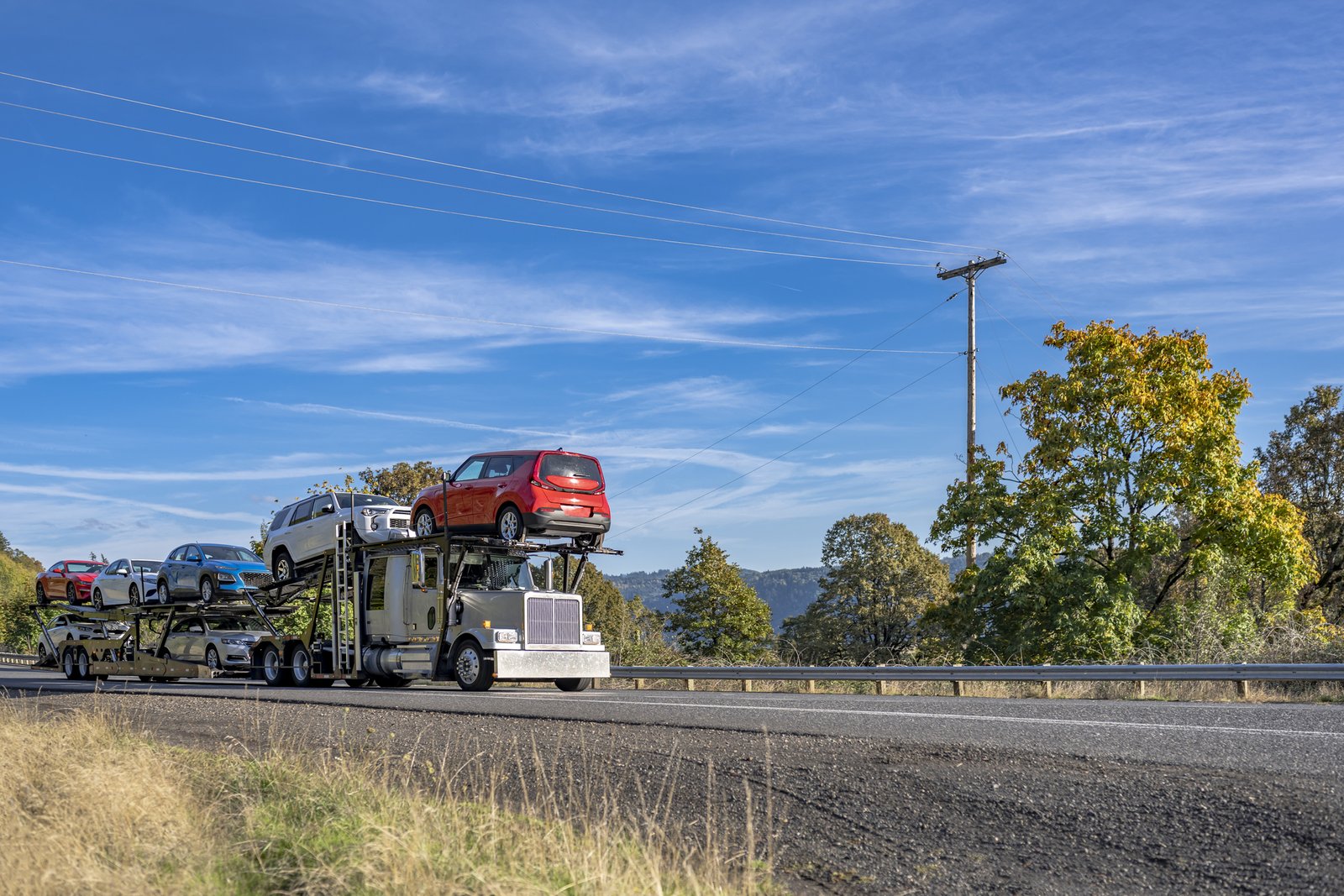
A meeting point at a large lot near an I-25 or I-80 exit is the normal arrangement and worth agreeing when you book rather than discovering the problem on the day.
Alabama is generally easier, with the usual caveats: gated communities and apartment complexes frequently restrict commercial vehicles regardless of physical room, and rural county roads have their own limits.
Seasonal Timing
Summer is the busiest season industry-wide because the moving season and the school calendar collide, and it is also when the Wyoming end is easiest to reach.
Winter is cheapest on most lanes but least predictable here specifically, because of the wind and closure risk described above. Late winter into early spring, once the worst of the weather has passed, is frequently the best combination of price and reliability on this route.
Autumn is a reasonable window at both ends. Our guide to shipping in extreme weather covers the seasonal risks in detail.
Preparing the Car
Wash it so existing marks are visible, then photograph every panel in daylight, including the wheels, the lower bumpers and the rocker panels, which are what loading marks.
Leave about a quarter tank of fuel. Empty the cabin and the trunk, since personal items are not covered by cargo insurance and they add weight. Fold the mirrors, disable a motion sensitive alarm, remove a toll transponder and hand over a key.
At delivery, inspect before signing, compare against your photographs, and note anything unexpected on the bill of lading while the driver is still present.
Common Questions
How long does it take? Four to six days in transit once collected, plus assignment time, which runs longer here than on a busy corridor.
Why does assignment take longer? Very little freight originates in Wyoming, so a carrier collecting your vehicle is passing through rather than based nearby.
What delays it most? Wind on Interstate 80 across Wyoming, and ground blizzards in winter, both of which close the road with little notice.
What is the best time to ship this lane? Late winter into early spring generally balances price and reliability best.
Can the truck reach a rural Wyoming address? Frequently not. Agree a meeting point near an I-25 or I-80 exit when you book.
Get a Quote
Call Ship A Car, Inc. at (866) 821-4555 with both zip codes and the widest date range you can offer, or request an estimate for the move through the quote calculator.