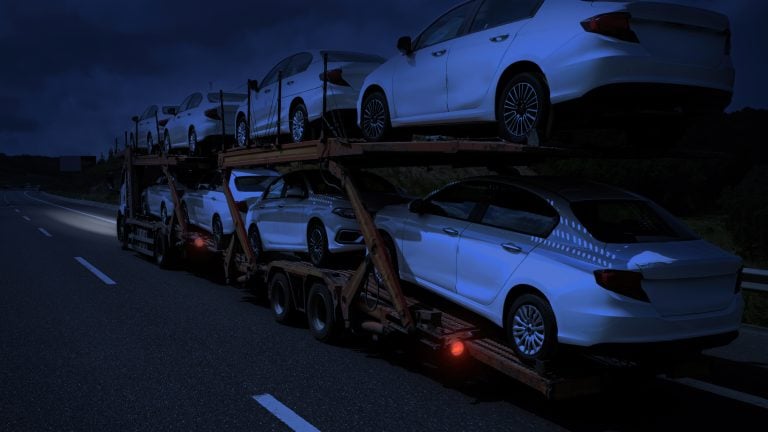
Shipping Your Car for Retirement
A retirement move is the one relocation where you genuinely have time, and almost nobody uses it. Most people book transport the same way they would for a job transfer with a start date, and pay peak-season prices for a move that could have happened three weeks earlier or later at considerably less cost. Flexibility is the single largest lever you have, and retirement is when you actually possess it.

Decide Which Cars Are Going
Start here, because it frequently changes the answer.
A lot of retirement moves involve two vehicles that made sense for two working schedules and do not make sense for one shared life. Shipping both and then selling one at the destination is a common and expensive mistake.
Sell before you move where you can. You know the local market, you have the service history and a relationship with a local buyer or dealer, and you avoid paying to transport a car you are about to dispose of. Selling in an unfamiliar market under time pressure is worse on both price and effort.
If you are shipping two, say so at the start. Two vehicles on the same lane is a better load for a carrier than one, and the per-vehicle price should reflect that.
Use the Timing Advantage
This is where the money is.
Summer is the busiest season in the industry, because the household moving season and the school calendar collide. The snowbird migrations create their own peaks: southbound demand builds through October and November, northbound spikes in March and April, and Florida and Arizona lanes are the extreme cases.
If your destination is a retirement market, you are competing with everyone else moving there in the same weeks. Shifting by even a fortnight either side of a peak is frequently worth more than any amount of negotiating, and a range of pickup days is worth more still.
Late winter and mid autumn are generally the quietest windows. Book three to four weeks ahead in a peak and one to two otherwise.
Where the Car Goes on Arrival
A specific problem for this kind of move, because the destination is frequently not a house you already control.
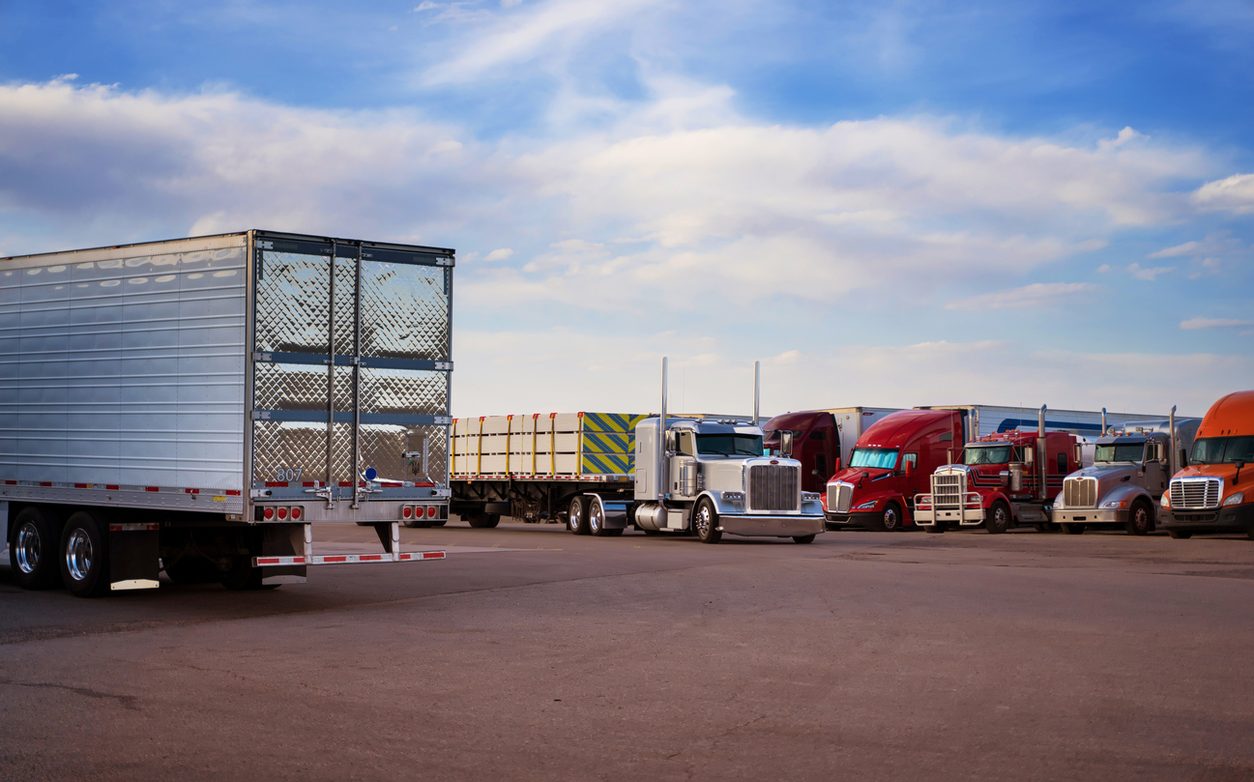
Many retirement communities and condominium associations restrict commercial vehicle access regardless of whether there is physical room, and a loaded hauler is around 75 feet long and 13 feet 6 inches tall. Ask the association before you book rather than assuming, because “no delivery trucks past the gate” is a common rule.
If you are arriving after the car, or staying somewhere temporary first, nominate somebody who can receive and inspect it. Whoever signs the bill of lading is accepting the vehicle’s condition, so it needs to be someone who will actually look.
The usual answer where access is restricted is a meeting point at a large retail lot near a highway exit. It is completely normal and worth agreeing when you book.
The Administrative Part
Three things that are easy to defer and expensive to get wrong.
Registration. Most states expect a new resident to register a vehicle within a set period after establishing residency. Some have emissions or safety inspection requirements that a car from another state may not meet. Check before the car ships rather than after it arrives.
Insurance. Tell your insurer the garaging location has changed. Failing to disclose it can affect a claim, and rates differ substantially between states. This is also a good moment to review coverage, because a car that is now driven far fewer miles may qualify for a different rate.
Driver licensing. Rules differ by state and there are usually deadlines. Treat it as a first month errand.
Climate Matters More Than You Think
A car built for one climate and moved to another needs attention it did not need before.

Moving south, the sun is the problem. Sustained heat and ultraviolet exposure fade paint, crack dashboards and dry out interior trim, and a car parked outside ages visibly faster. Covered parking, a windshield shade and paint protection are worth arranging from the start.
Moving north or into the mountains, it is cold and salt. Have the battery tested, the coolant concentration checked and the tires assessed before the car ships, not after. A battery that is fine in Phoenix fails on the first genuinely cold morning.
Either way, a full service before the move is sensible, and it is easier to arrange with the mechanic who already knows the car.
Open or Enclosed
Open transport carries the overwhelming majority of cars and is right for an ordinary vehicle.
Enclosed costs about a third more and earns it on a collector car, a convertible, fresh paintwork or anything with real value. A fair number of retirement moves involve exactly that kind of car, kept for years and finally being driven for pleasure, and it is worth the difference on those. Our comparison of open and enclosed shipping works through the choice.
Preparing the Car
Wash it so existing marks are visible, then photograph every panel in daylight, including the wheels, the lower bumpers and the rocker panels, which are what loading marks.
Leave about a quarter tank of fuel. Empty the cabin and the trunk, since personal items are not covered by cargo insurance and they add weight. Fold the mirrors, disable a motion sensitive alarm, remove a toll transponder and hand over a key.
At delivery, inspect before signing and note anything unexpected on the bill of lading while the driver is still present.
Common Questions
When is the cheapest time to move a car? Late winter and mid autumn, away from summer and away from the snowbird peaks.
Should I ship both cars? Only if you will keep both. Selling in the market you know beats selling in one you do not.
Can the truck deliver inside a retirement community? Frequently not. Many restrict commercial vehicles. Ask the association and plan a meeting point.
What do I need to do about registration? Check the new state’s deadline and any emissions or inspection requirements before the car ships.
Is enclosed worth it? On a collector car, a convertible or fresh paintwork, yes. On an ordinary daily driver, open is what almost everybody uses.
Get a Quote
Call Ship A Car, Inc. at (866) 821-4555 with both zip codes and the widest date range you can offer, or request an estimate for the move through the quote calculator.