Shipping Your Car: The Process from Quote to Delivery
Most people book vehicle transport once or twice in their lives, so the process itself is the unknown rather than the price. It runs in five stages, and knowing what happens at each one, and what you are expected to do, removes almost all of the anxiety people bring to it.
Stage One: Getting a Quote That Means Something
A quote is only useful if it is based on the right facts, and four of them do the work.
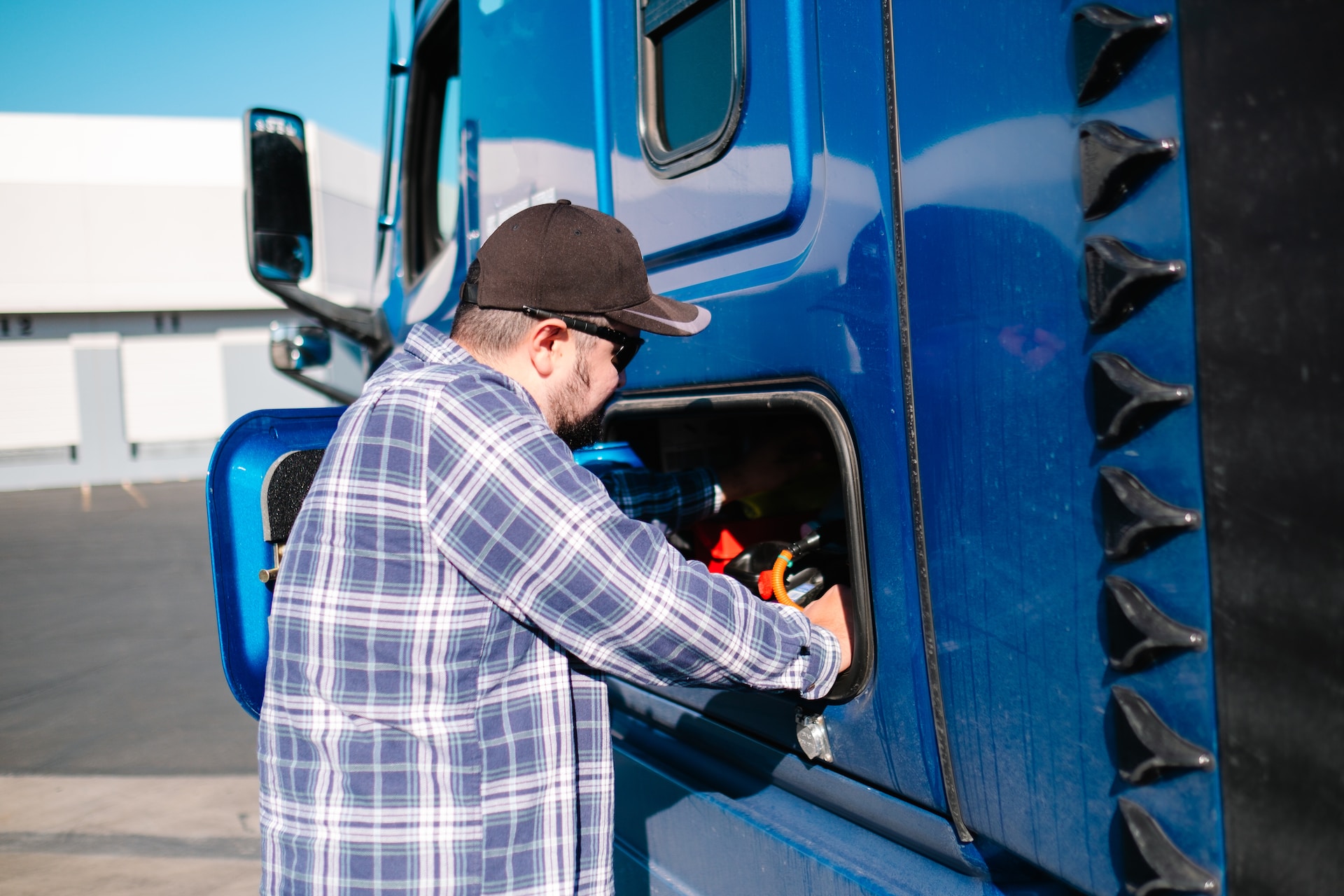
Both zip codes, not city names, because a rate follows the corridor rather than the metro area. The year, make and model, because size and weight decide how much of a trailer you occupy. Whether the vehicle runs, steers and brakes, because an inoperable vehicle needs a winch and a carrier equipped for it. And your date range, ideally as a window of several days rather than one.
Tell them about modifications up front: a lift kit, a roof rack, a low front lip, oversized tires. A quote given on a stock description and revised at pickup is the most avoidable friction in this whole process.
Stage Two: Booking and What You Are Signing
Most people book through a broker, which is normal rather than a warning sign. A broker arranges the move with a carrier from a network far larger than any single fleet.
What a good booking gives you: a written quote stating what is included, whether it is door to door or terminal, and open or enclosed. A pickup window rather than a promised hour. And clarity on payment, because a large deposit taken before any carrier is assigned is worth stepping back from.
Once a carrier is assigned, ask for their name and USDOT number. You can check the authority and insurance yourself in a couple of minutes, and a company unwilling to tell you who is actually moving your car has told you something.
Stage Three: Preparing the Vehicle
This takes about half an hour and it is what protects you if anything is disputed later.

Wash it so existing marks are visible, then photograph every panel in daylight, including the wheels, the lower bumpers and the rocker panels, which are what loading marks. Photograph the odometer. That set of images is your reference at the other end.
Leave about a quarter tank of fuel. Empty the cabin and the trunk completely, since personal items are not covered by cargo insurance, they add weight and they move around in transit. Fold the mirrors, retract the antenna, disable a motion sensitive alarm, remove the toll transponder and hand over a physical key rather than a phone.
Check the battery. A car that starts every morning on your driveway may not start after a week standing on a trailer, and a vehicle that will not move under its own power at delivery is handled as inoperable.
Stage Four: Pickup, and the Document That Matters
The driver arrives within the agreed window and inspects the vehicle with you. Walk around it together and agree what is already there.
That inspection is recorded on the bill of lading, which is the document that decides any dispute later. Read it before you sign, make sure the existing damage is described specifically rather than as general wear, and keep your copy.
If a full size truck cannot reach your street, you will meet the driver at a large lot nearby. This is a normal arrangement rather than a failure, and agreeing it at booking removes the most common cause of a wasted trip.
Stage Five: Transit and Delivery
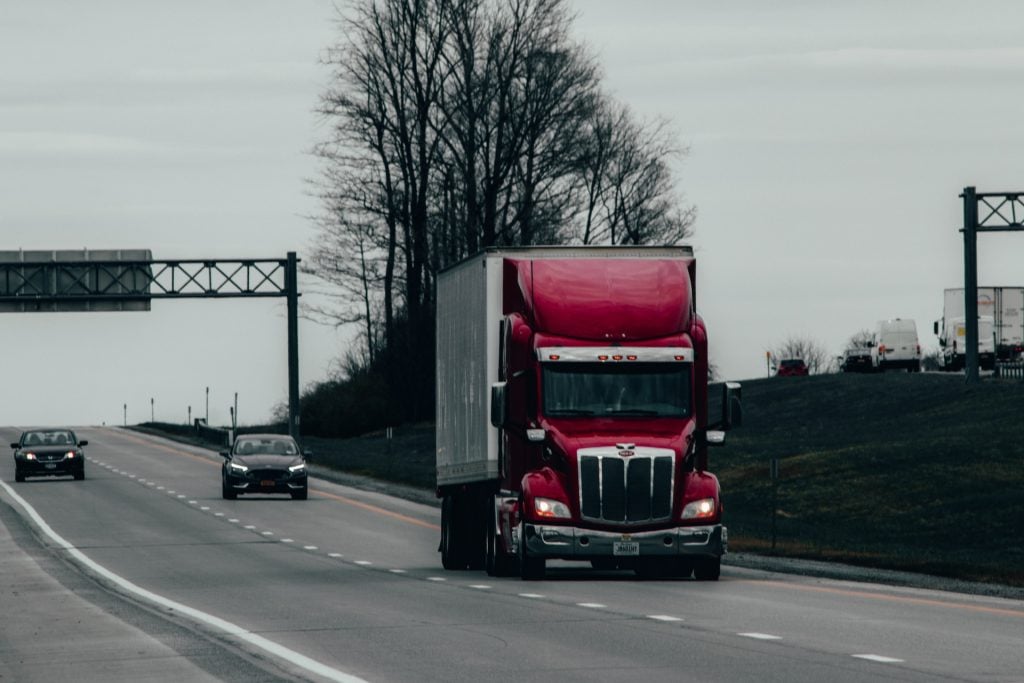
Transit is typically one to three days regionally, three to five across half the country and seven to ten coast to coast, once the vehicle is collected.
You will be given a delivery window rather than a time, and the reason is regulatory rather than casual. Federal rules limit how long a driver may drive, recorded automatically, so a driver who runs out of hours near your address stops for the night. Ask for the driver’s number on the day; a phone call tells you more than any tracking page.

At delivery, inspect before you sign, in daylight if at all possible. Compare against your photographs and write any discrepancy onto the bill of lading while the driver is still present, because a signature without notes accepts the condition as recorded. If the car arrives after dark or in heavy rain, write on the document that a full inspection was not possible.
What Insurance Actually Covers
This is the question people ask last and should ask second.
Every carrier moving vehicles interstate must hold cargo insurance, and it covers damage that happens while your vehicle is in their custody. It is separate from the liability insurance that covers damage the truck does to other people, and it has a per-vehicle limit that is rarely mentioned unless you ask.
For an ordinary car that limit is never the binding constraint. For a car worth more than the limit it is, and the gap should be closed before the vehicle moves rather than discussed afterwards. Ask for the certificate of insurance and look at the per-vehicle figure.
Two things cargo insurance does not cover: personal items left in the vehicle, which is the practical reason for emptying it, and pre-existing damage, which is what the bill of lading inspection exists to establish. Keep your own policy active throughout, because it is what covers the vehicle once you are driving it again.
Open or Enclosed
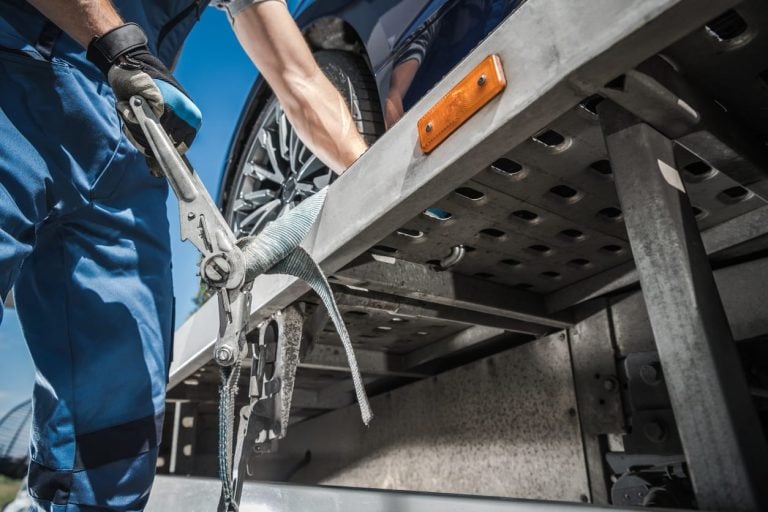
Open transport carries the overwhelming majority of vehicles and it is right for an ordinary car. Ten vehicles on a two level trailer is what keeps the price where it is.
Enclosed costs about a third more and earns it on a collector vehicle, fresh paintwork or a wrap, a car low enough to need a lift gate rather than ramps, or a winter move where road salt is the concern. Our first time car shipping guide covers the decision in more detail.
Common Questions
How far ahead should I book? One to two weeks normally, three to four in summer or around the seasonal snowbird peaks, with a range of pickup days.
Why is delivery a window rather than a time? Federal hours of service limit driving time and are recorded automatically. A driver out of hours stops, whatever distance remains.
Can I leave belongings in the car? No. They are not covered by cargo insurance, they add weight and they shift in transit.
What is the bill of lading? The inspection and delivery record. It decides any dispute, so read it before signing at both ends and keep your copy.
Is a broker worse than a carrier? No. A broker has access to far more trucks. Ask for the assigned carrier’s USDOT number and check it yourself.
Get a Quote
Call Ship A Car, Inc. at (866) 821-4555 with both zip codes, the vehicle details and your date range, or request an estimate for the move through the quote calculator.