Car Shipping in St Martin Parish, Louisiana
St Martin Parish sits between Lafayette and Baton Rouge with Interstate 10 running through the top of it, which makes carrier availability better than a rural parish usually gets. Breaux Bridge and St Martinville are both within easy reach of the corridor. What needs planning is the parish’s geography: the Atchafalaya Basin covers a large part of it, and much of the rest is bayou country where a 75 foot truck simply cannot go.
The I-10 Corridor Does the Work
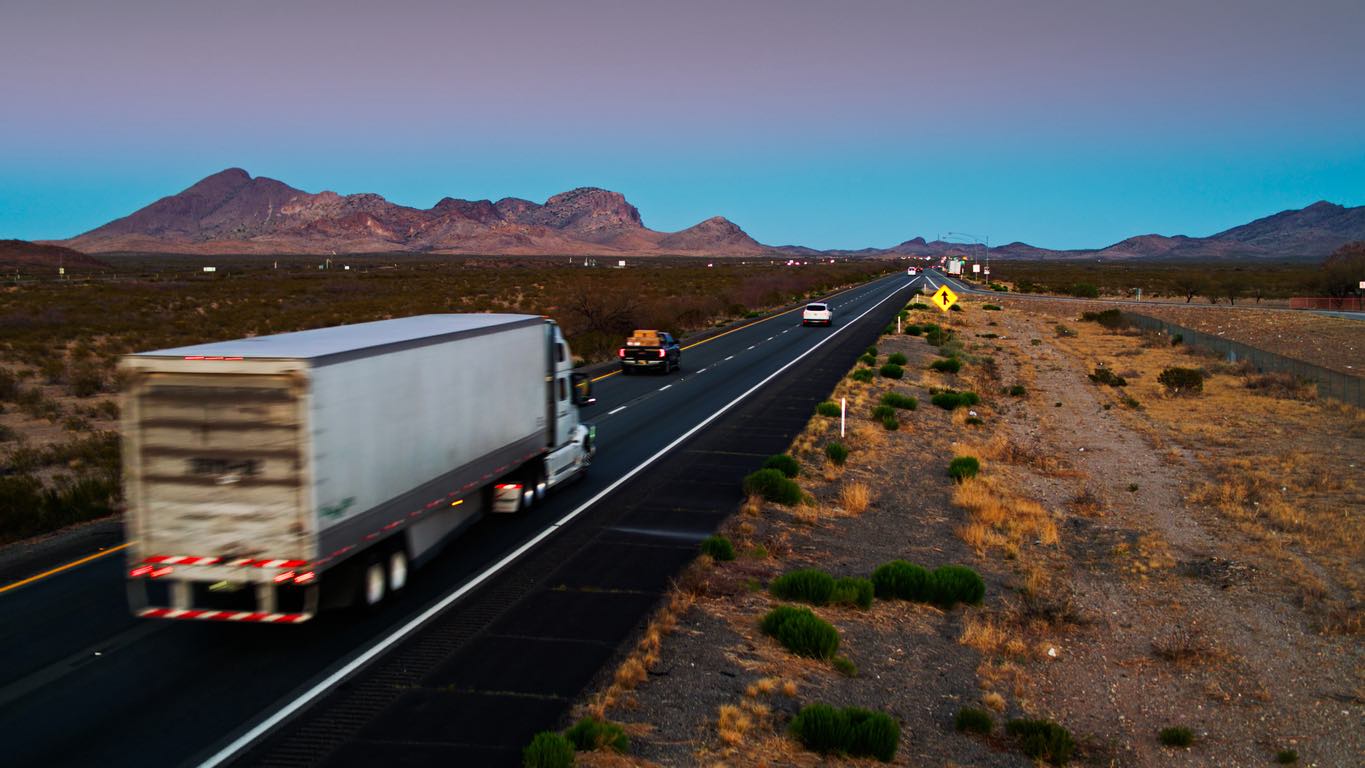
Interstate 10 runs east to west across southern Louisiana, connecting Houston and the Texas markets to Lafayette, Baton Rouge, New Orleans and the Gulf coast beyond. Interstate 49 runs north from Lafayette toward Alexandria and Shreveport.
That means a truck moving between Texas and the Southeast is already close, and a vehicle in Breaux Bridge is a short detour rather than a long one. Ordinary lanes here are usually assigned within a few days, which is not true of every rural parish.
Where it costs more is a destination well off the interstate network at the other end. The St Martin end is rarely the problem.
The Basin Divides the Parish
This is the geography that makes St Martin different, and it is worth understanding before you book.
The Atchafalaya Basin splits the parish into two sections, and there is no direct road between them through the swamp. A vehicle in the eastern portion near Butte La Rose is reached differently from one at St Martinville, even though they are in the same parish.
Give the actual address rather than just the parish when you quote, because the routing genuinely differs.
Outside the towns, expect narrow parish roads with soft shoulders, long gravel drives, mature live oaks meeting overhead and bridges over bayous with posted weight limits. Overhanging branches are the most commonly overlooked issue: a truck that fits the width of a lane will still catch a vehicle on the upper deck against a low limb, and drivers decline rather than risk it.
Where access is tight the answer is a meeting point at a large lot near an I-10 exit, or in Lafayette a short drive west. Agreeing that at booking removes the most common cause of a wasted trip.
Hurricane Season Governs the Calendar
From June through November, Gulf weather affects everything about scheduling here.
Before a storm, everybody moves vehicles out of the coastal parishes at once and capacity disappears within a day or two of a serious forecast. If you are shipping ahead of a storm, decide early rather than when the track firms up.
Afterward the problem inverts: roads close, fuel is short and destinations become unreachable. Carriers will not commit to delivery into an area they cannot access, and in a parish with basin flooding that is a real constraint rather than a cautious one.
Never accept delivery of a vehicle that has stood in floodwater without a proper inspection. Water damage to electronics and drivetrains commonly appears weeks later.
The Lanes That Matter
Texas is the heaviest lane out of this part of Louisiana. Houston is close enough to be a short regional move and busy enough to assign within days, and the Dallas and Austin corridors follow behind it.
Florida and the Southeast run steadily along I-10, and moves north toward Arkansas, Missouri and the Midwest use I-49 out of Lafayette. Longer runs to the West Coast are ordinary interstate work once the vehicle reaches the corridor, typically five to seven days in transit.
Two local industries keep this traffic steady rather than seasonal. The oil and gas sector moves people in and out of the region continuously, and crawfish and sugarcane farming generate their own pattern of seasonal labor movement. That steady flow is part of why a rural parish here has better carrier availability than its population would suggest.
The one genuinely seasonal spike is festival season. Breaux Bridge draws large crowds in the spring, and accommodation and road access tighten for those weekends, which is worth avoiding for a pickup if your dates are flexible.
Heat and Humidity
Louisiana summers are long and humid, and a car on an open upper deck sits in full sun for the whole trip.

Interiors reach extreme temperatures, which is hard on dashboards, leather and adhesives. Remove anything that can melt, warp or burst. Check tire pressures before a summer move, since heat raises them.
Humidity is the other factor, and a car sealed up for several days in Gulf air can arrive with condensation and a musty interior, which is a practical argument for enclosed transport on a vehicle you care about.
Open or Enclosed
Open transport carries the overwhelming majority of vehicles here and is right for an ordinary car.
Enclosed costs about a third more and is worth considering for a collector vehicle, fresh paintwork or a wrap, and for keeping a car out of prolonged Gulf sun on a long summer run. It has a second advantage in a rural parish: enclosed carriers are frequently smaller trucks that can reach an address a ten car open trailer cannot.
Preparing the Car
Wash it so existing marks are visible, then photograph every panel in daylight, including the wheels, the lower bumpers and the rocker panels, which are what loading marks.
Leave about a quarter tank of fuel. Empty the cabin and the trunk, since personal items are not covered by cargo insurance and they add weight. Fold the mirrors, disable a motion sensitive alarm and hand over a key.
At delivery, inspect before signing. If the car arrives in heavy rain or after dark, write on the paperwork that a full inspection was not possible before you sign. For the wider state picture, see our Louisiana car shipping page.
Common Questions
How long does it take? Under a day to Houston, two to three days to Florida or the Midwest, and five to seven to the West Coast once collected.
Can a hauler reach my property? In Breaux Bridge and St Martinville, usually. Rural parish roads, gravel drives, low oaks and weight limited bridges often need a meeting point.
Why does my exact address matter? The Atchafalaya Basin splits the parish, and there is no direct road through it, so routing differs between the two sections.
Should I ship before a hurricane? Decide early. Capacity vanishes within a day or two of a serious forecast and the area may be unreachable afterward.
How far ahead should I book? One to two weeks normally, and longer during hurricane season or if your dates are fixed.
Get a Quote
Call Ship A Car, Inc. at (866) 821-4555 with both zip codes, your date range and an honest description of the access at your address, or request an estimate for the move through the quote calculator.