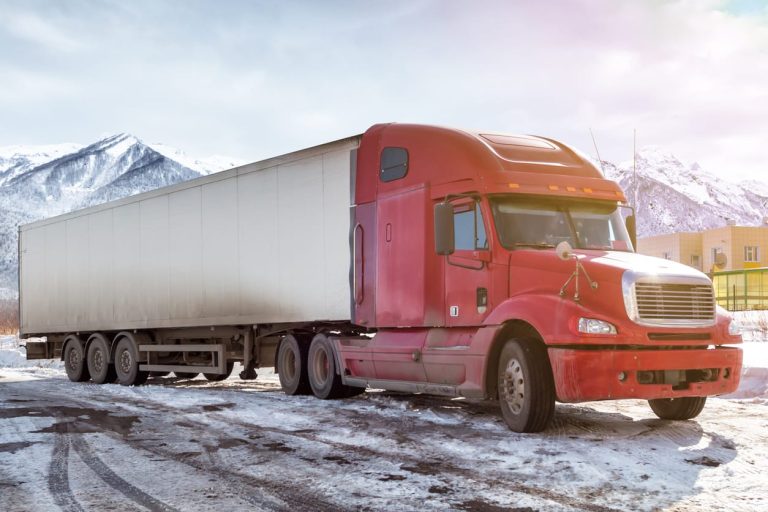
Shipping Your Car: The Complete Guide
The whole process in one paragraph: get quotes based on your real route and vehicle, verify the company’s FMCSA authority and insurance, book one to four weeks ahead, prepare the car (quarter tank, no personal items, washed and photographed), meet the driver and sign the condition report at pickup, then inspect against that report before signing at delivery. Pickup and delivery are windows of a day or two, not appointments. Everything below is detail on those steps.
Open or Enclosed
Open transport carries seven to ten vehicles on an exposed trailer. It is how roughly nine out of ten cars ship, including new vehicles going to dealerships, and it is the sensible default. Your car is exposed to weather the same way it would be parked outside.
Enclosed transport costs roughly 20 to 30 percent more and is worth it for classics, exotics, low-clearance cars, and anything where a stone chip would be a genuine problem. For a daily driver it is money spent on reassurance rather than risk.
Door-to-Door vs Terminal
Door-to-door means the carrier collects from and delivers to addresses you specify. It does not mean the truck parks at your curb: a car carrier is around 75 feet long and cannot enter many residential streets, gated communities, or dense urban blocks, so expect an agreed meeting point nearby when access is tight. This is standard practice everywhere.
Terminal-to-terminal means driving the car to a storage yard at each end. It occasionally saves money but rarely enough to justify two extra drives plus possible storage fees. Door-to-door is included in Ship A Car quotes.
What It Costs
Our order book records where a car was picked up and delivered but not the mileage, so we cannot band by distance. What it does show is the overall shape: across 3,614 single vehicle car moves since 2023 the middle half ran $900 to $1,550. The figures below are planning estimates.
Open transport runs roughly $0.84 to $2.05 per mile depending on distance, and the per-mile rate falls as distance rises because fixed costs spread further:
Open Transport Cost by Distance
Other factors move the number: vehicle size and weight, how flexible your dates are, season (summer and the snowbird migrations tighten capacity), and how far the pickup sits from a main corridor. A quote well below this band is usually a placeholder that gets revised after booking rather than a bargain.
How Long It Takes
Once the vehicle is loaded: one to three days regionally, three to five days on a roughly 1,500-mile lane, five to seven days coast to coast. Add one to two days on each end for the pickup and delivery windows. Alaska and Hawaii are different, two to four weeks door to door, because the vehicle travels overland to a West Coast port and then sails on a fixed weekly schedule.

Choosing a Company: Four Checks
- Active FMCSA authority under its own MC number. Look it up in the SAFER system and confirm the authority is active and insurance filings are current. Two minutes, and it is the most informative thing you can do.
- Cargo insurance limit in writing. Compare it against your vehicle’s actual value. Standard limits are ample for ordinary cars and often not for collectors.
- An all-inclusive price that holds. Door-to-door, insurance, and taxes included, and no change after booking.
- One named contact after pickup. Not a general queue. It matters most when something is not routine.
Preparing the Vehicle
- Wash it, so the condition photographs actually show the paint.
- Photograph every panel in daylight, plus roof, lower panels, wheels, and the odometer.
- Leave about a quarter tank of fuel, or 30 to 50 percent charge for an EV.
- Remove personal items and the toll transponder. Belongings are not covered by cargo insurance.
- Fold mirrors, retract the antenna, secure or remove loose exterior trim.
- Note any alarm quirk, kill switch, or unusual starting procedure for the driver.
- Keep a spare key rather than sending your only one.
Pickup Day
The driver calls ahead, usually the day before and again when close. You meet at the agreed location, walk the vehicle together, and the driver records existing damage on the bill of lading. Check that record is accurate before signing, then hand over one key. Fifteen to thirty minutes in total.
Delivery: Inspect Before You Sign
This is the step that protects you and the one most often rushed. Walk the whole vehicle in daylight or with a flashlight. Compare against the pickup condition report and your own photographs. Check the roof and lower panels where damage hides. Start the engine. Write any exception on the bill of lading before the driver leaves.
A signed clean bill of lading is your acknowledgment that the car arrived undamaged, which makes a later claim very difficult. If something is wrong, note it, photograph it, and contact your coordinator immediately.
Common Questions
Do I need the title to ship a car? No, not for domestic transport. Photo ID at both ends is enough. Title and registration are required for Hawaii, Alaska, and international shipments.
Does someone have to be present? Yes, at both ends, but it does not have to be you. Name someone on the order and give the coordinator their number. They will need to inspect and sign.
Is my car insured? Yes, under the carrier’s cargo policy, included in the price. Personal items inside are not.
Can I track it? Availability varies by carrier rather than by broker. Ask what the assigned carrier provides.
What if the car does not run? It can still ship on a winch-equipped carrier. Say so when quoting; discovering it at pickup delays everything.
When should I book? One to four weeks ahead. Longer around summer, the October to December southbound snowbird flow, and the April to May northbound return.
Get a Quote
Call Ship A Car, Inc. at (866) 821-4555, or price your move with the instant calculator.