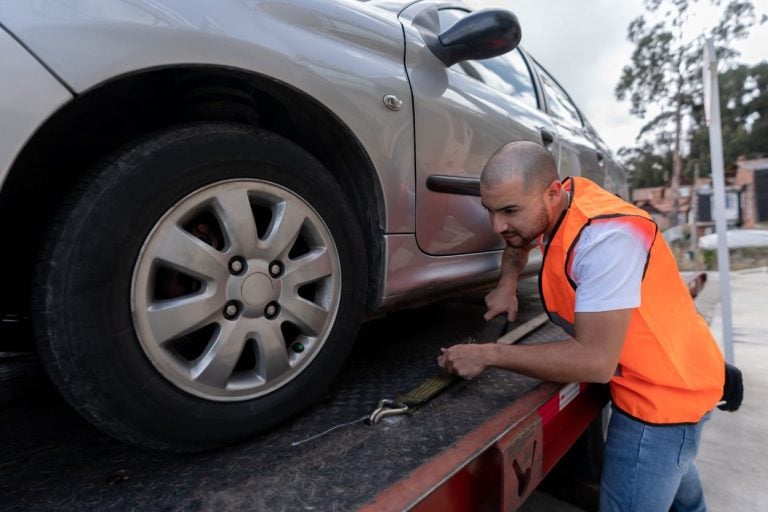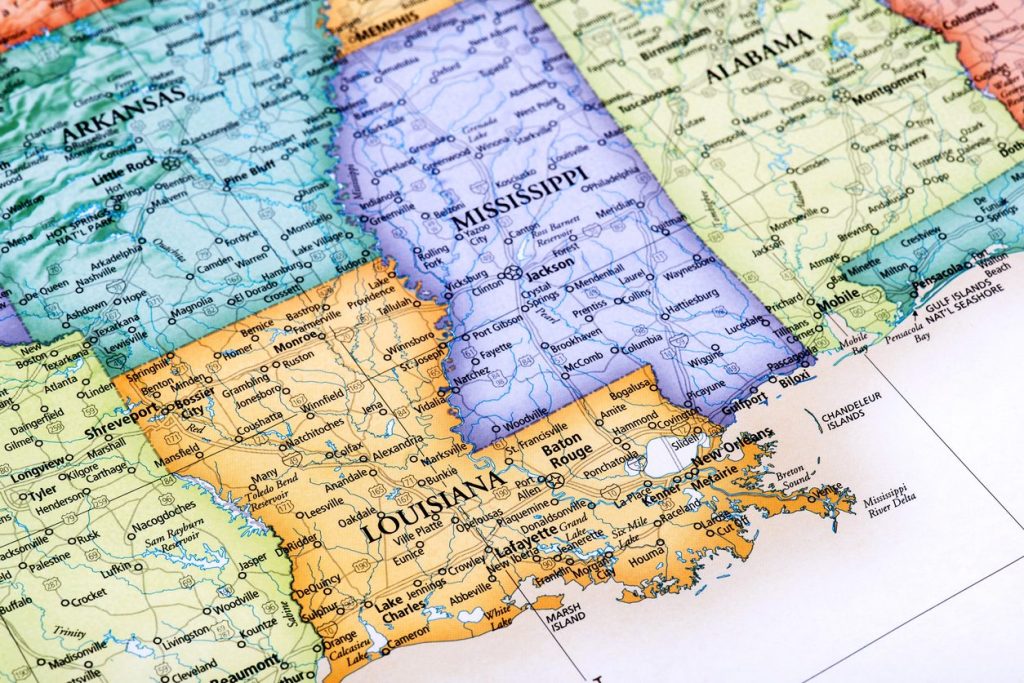
LaSalle Parish, Louisiana Car Shipping
LaSalle Parish is rural north central Louisiana with a population under 15,000, and that single fact explains everything about shipping a car here. There is no interstate through the parish. Carriers reach it from US 84 and US 165, and a truck does not come this way unless there is a reason to. Plan around that and the process is straightforward; ignore it and you wait.
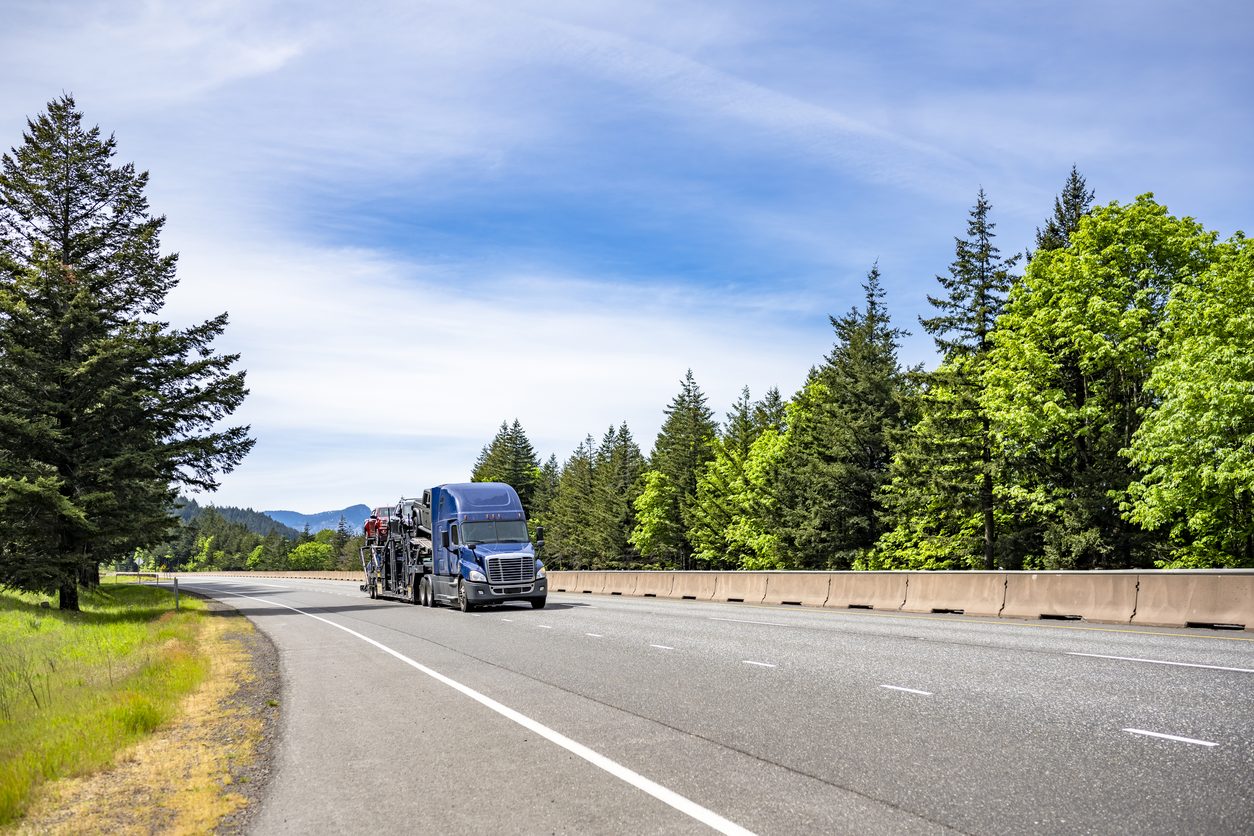
Why Rural Means Different, Not Worse
Carrier pricing follows the balance of freight, and a parish with no interstate sees far less of it than a metro area.
What that means in practice is a longer wait for assignment rather than a dramatically higher price. A driver running a load between Texas and the Southeast is on I-20 to the north or I-10 to the south, and reaching Jena, Olla or Tullos means coming off the interstate and going back to it.
You have two levers. The first is flexibility: a range of pickup days rather than a fixed date makes it far easier for a dispatcher to fit you into an existing route. The second is meeting the truck partway, which is genuinely worth considering here.
Meeting the Truck Is Often the Better Deal
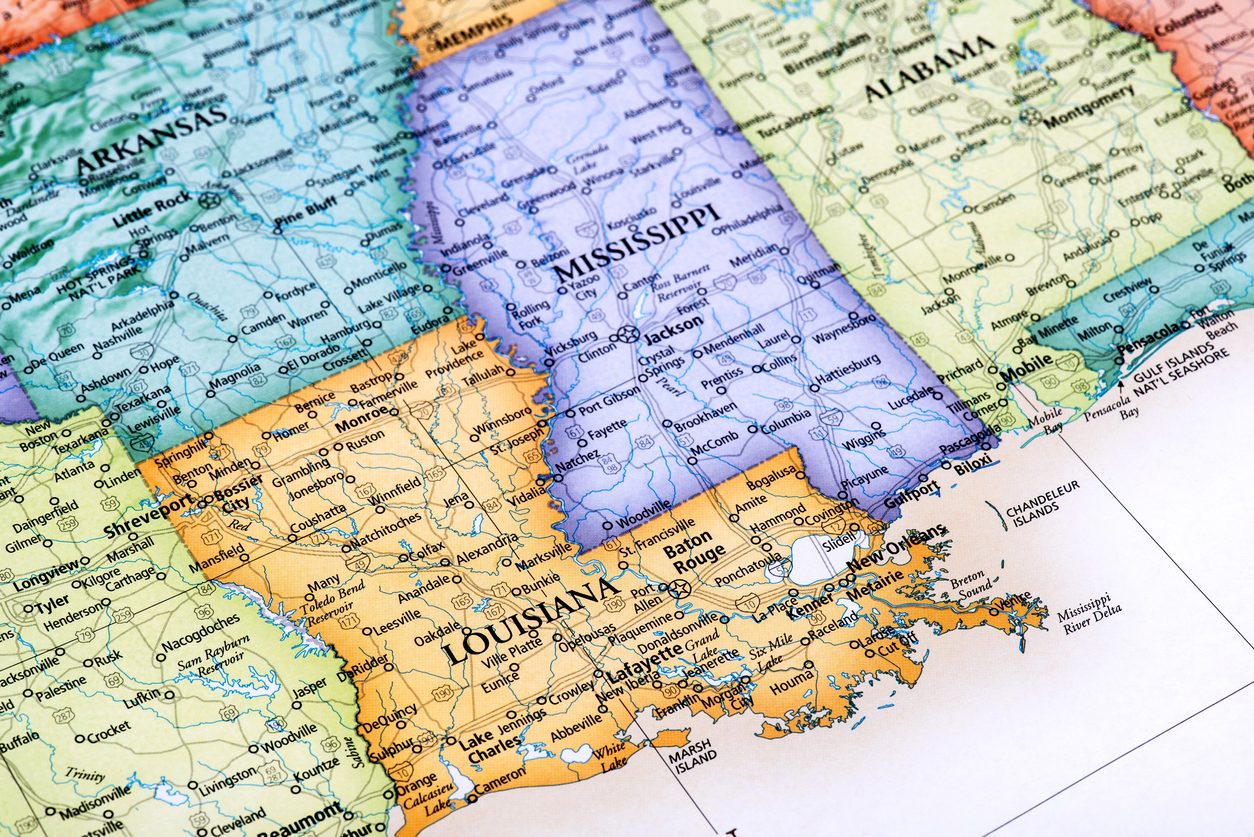
Alexandria is roughly 40 minutes away and sits where US 165 meets I-49. Monroe is about an hour and a half on I-20. Both see constant carrier traffic.
Agreeing to meet a driver at a large lot in one of those places frequently means a faster assignment and a better rate than holding out for a pickup at a rural address. On a shorter drive than most people take to buy groceries, it is usually the right trade.
If the vehicle must be collected from the property, say so clearly when you book so it is priced correctly the first time rather than renegotiated on the day.
Rural Access Is a Real Constraint
A loaded car hauler is around 75 feet long and 13 feet 6 inches tall, and much of the parish is not built for that.
Narrow parish roads, long gravel drives, and mature trees meeting overhead all stop a full size truck. Overhanging limbs are the most commonly overlooked: a truck that fits the width of your lane will still strip a vehicle on the upper deck against a low branch, and drivers will decline rather than risk it.
Bridges and culverts on parish roads carry weight limits that were set for farm and log truck traffic, and a loaded hauler is heavier than people assume. And unpaved drives soften considerably after rain, which is frequent here.
Walk the route out before the driver arrives and describe it honestly when you book. A driver who knows what is coming brings the right plan; one who does not turns around.
Weather Through the Year
Two seasonal factors matter and both are about scheduling rather than damage.
Hurricane season runs June through November. Even well inland, a Gulf storm affects the whole state: capacity vanishes before landfall as vehicles move out of the coastal parishes, and afterward roads and fuel are disrupted. Decide early rather than when a track is confirmed.
Summer heat and humidity are the other. A car on an open upper deck sits in full sun for several days, which is hard on interiors and on anything left inside. Empty the vehicle completely and remove anything that can melt or burst.
Winter is mild and rarely a factor, though an occasional ice event will close roads across the region for a day or two.
The Lanes That Matter
Texas is the heaviest lane, with Houston and Dallas both within a comfortable day’s run. Florida and the Southeast are straightforward along I-20 and I-10. Moves north toward Arkansas and the Midwest use I-49 and I-55.
The parish also sees a steady flow of moves tied to timber, oil and gas work, which means vehicles going to and from Texas and Oklahoma with some regularity. That helps: it is a lane carriers already run.
Longer runs to the West Coast are ordinary interstate work once the vehicle reaches a corridor. For the wider state picture, see our Louisiana car shipping page.
Open or Enclosed
Open transport carries the overwhelming majority of vehicles in and out of the parish and it is right for an ordinary car.
Enclosed costs about a third more and is worth considering for a collector vehicle, fresh paintwork or a wrap, and for keeping a car out of prolonged Gulf sun on a long summer run. It has a second advantage here that matters more than usual: enclosed carriers are frequently smaller trucks, and a smaller truck can reach a rural address that a ten car open trailer cannot.
Buying or Selling Remotely
A rural parish means a lot of vehicles are bought and sold at a distance, and that adds a few steps worth doing properly.
Get daylight photographs of every panel from the seller before you pay, including the wheels, the lower bumpers and the rocker panels. Those pictures are your only condition baseline when the vehicle arrives, and without them a damage argument cannot be won.
Agree who hands over the keys and get a working phone number for both ends before the vehicle is assigned. On a rural pickup this matters more than usual, because a driver who cannot reach anybody at a property he has already driven twenty miles to find will move on to the next load.
Confirm the vehicle runs and drives. An inoperable car needs a winch equipped carrier and costs more, and out here it also narrows the pool of trucks that can take the job.
Preparing the Car
Wash it so existing marks are visible, then photograph every panel in daylight, including the wheels, the lower bumpers and the rocker panels, which are what loading marks.
Leave about a quarter tank of fuel. Empty the cabin and the trunk, since personal items are not covered by cargo insurance and they add weight. Fold the mirrors, disable a motion sensitive alarm and hand over a key.
At delivery, inspect before signing. Compare against your photographs and note anything unexpected on the bill of lading while the driver is still present. If the car arrives after dark or in heavy rain, write on the paperwork that a full inspection was not possible before you sign.
Common Questions
Why does assignment take longer here? There is no interstate through the parish, so a carrier has to come off the highway and go back to it. Flexibility on dates is the fix.
Should I meet the truck somewhere else? Frequently yes. Alexandria is about 40 minutes away on I-49 and usually means a faster assignment and a better rate.
Can a hauler reach my property? Sometimes. Narrow parish roads, gravel drives, overhanging trees and weight limited bridges all stop a 75 foot truck.
Does hurricane season affect an inland parish? Yes, indirectly. Capacity leaves the state before a storm and roads and fuel are disrupted afterward.
How far ahead should I book? Two to three weeks here rather than one to two, and longer in hurricane season.
Get a Quote
Call Ship A Car, Inc. at (866) 821-4555 with both zip codes, your date range, and whether you can meet the driver in Alexandria or need collection at the property, or price the move with the instant calculator.