How to Ship a Limousine
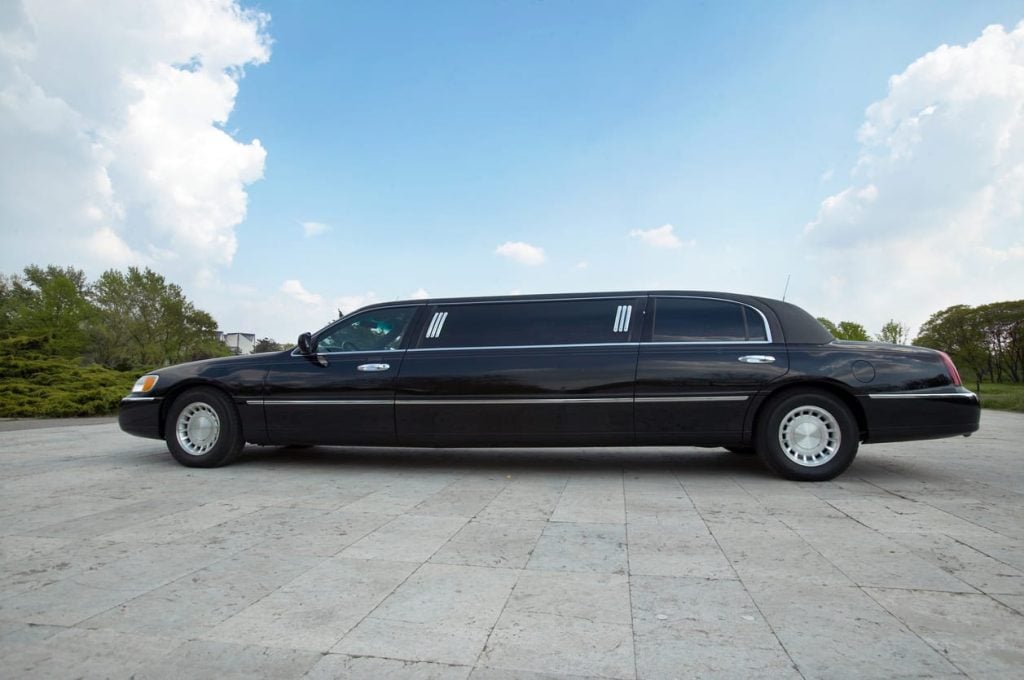
A limousine is an ordinary car that somebody has cut in half and added six feet to, and every shipping problem it creates comes from that one fact. It is too long for a standard deck position, its wheelbase means it grounds where a normal car would not, and the stretched section is structurally the least robust part of the vehicle. Length is the number that decides everything.
Measure It Properly First
An ordinary sedan is around 16 feet. A modest stretch limousine runs 22 to 26 feet. A large one on a heavier chassis can reach 30 feet or more, and a stretched SUV is longer and considerably heavier again.
Measure the actual vehicle rather than quoting a model name, because stretch lengths are not standardized: two limousines built on the same donor car can differ by several feet depending on who converted them.
Give the length, the height including any roof equipment, and the weight. A stretched SUV in particular is heavy enough that weight matters as much as length.
Why Length Changes the Trailer
A standard two-level car hauler has positions sized for ordinary vehicles. A 26 foot limousine occupies the space of roughly two of them, and on some trailers it will not fit any single position at all.
The practical answers are a longer deck position on a hauler that has one, a dedicated flatbed, or an enclosed trailer sized for it. All three cost more per vehicle than an ordinary car, because you are paying for space that would otherwise carry two cars.
Expect the quote to reflect that rather than to look like a sedan rate. A carrier who quotes a limousine at car prices has not understood what they are collecting.
Ground Clearance and the Break-Over Problem
This is the failure mode specific to these vehicles and it is worth understanding.
A long wheelbase with a low center section means the vehicle can ground in the middle even when both ends have clearance. Driving up a standard steel ramp, the limousine pivots over the ramp lip and the underside of the stretched section makes contact.
That section is frequently where the frame was extended, where fuel and exhaust lines run, and where the structure is least able to take a hit. Damage there is expensive and not always obvious immediately.
Tell the carrier the vehicle is a limousine and how long it is. The answers are extended low-angle ramps, wood blocking under the ramp ends, or a trailer with a lift gate, and all of them have to be planned rather than improvised.
Open or Enclosed
The case for enclosed is stronger here than on most vehicles, for reasons beyond paintwork.
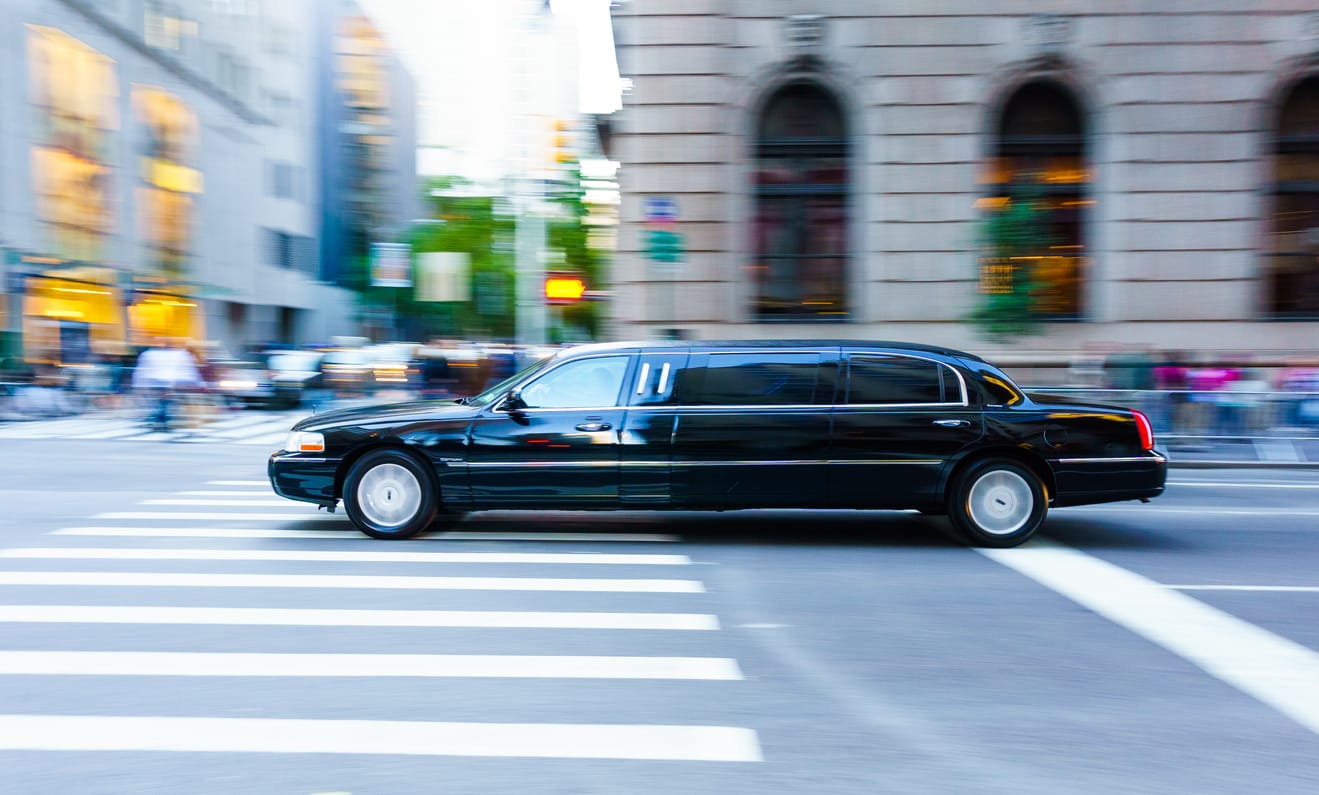
A limousine is a commercial asset whose appearance is the product. Road debris, grit and weather on a black paint finish over that much surface area shows in a way it does not on a compact car.
Enclosed also tends to mean a driver used to handling awkward vehicles and equipment better suited to a long low car. On a working limousine or a newly converted one, it is the reasonable default rather than the luxury option.
Open transport is defensible on an older vehicle being moved between operators or to auction, where cosmetic condition is already what it is.
Party Buses and Stretched SUVs
Two related vehicles that change the answer enough to mention separately.
A stretched SUV is longer and much heavier than a stretched sedan, frequently on a reinforced chassis, and its height is genuinely a constraint. Where a stretched sedan is a length problem, a stretched Escalade or Navigator is a length, weight and height problem at once, and it usually needs a flatbed or step deck rather than a car hauler position.
A party bus has crossed out of car transport entirely. Built on a bus or truck chassis, it is typically over 13 feet 6 inches tall and heavy enough to need heavy haul equipment, which means permits, restricted movement hours and a different service. If the vehicle has a step-up entry and standing headroom inside, treat it as commercial equipment rather than a car and say so when you ask for a price.
The dividing line worth using: if you would need a commercial driver license to drive it, it is not shipping as a car.
Preparing It
Wash it so existing marks are visible, then photograph every panel in daylight. On a limousine that means more photographs than usual: the full length of both sides, the roof, all doors, each wheel, and specifically the underside of the stretched section and the front and rear valances.
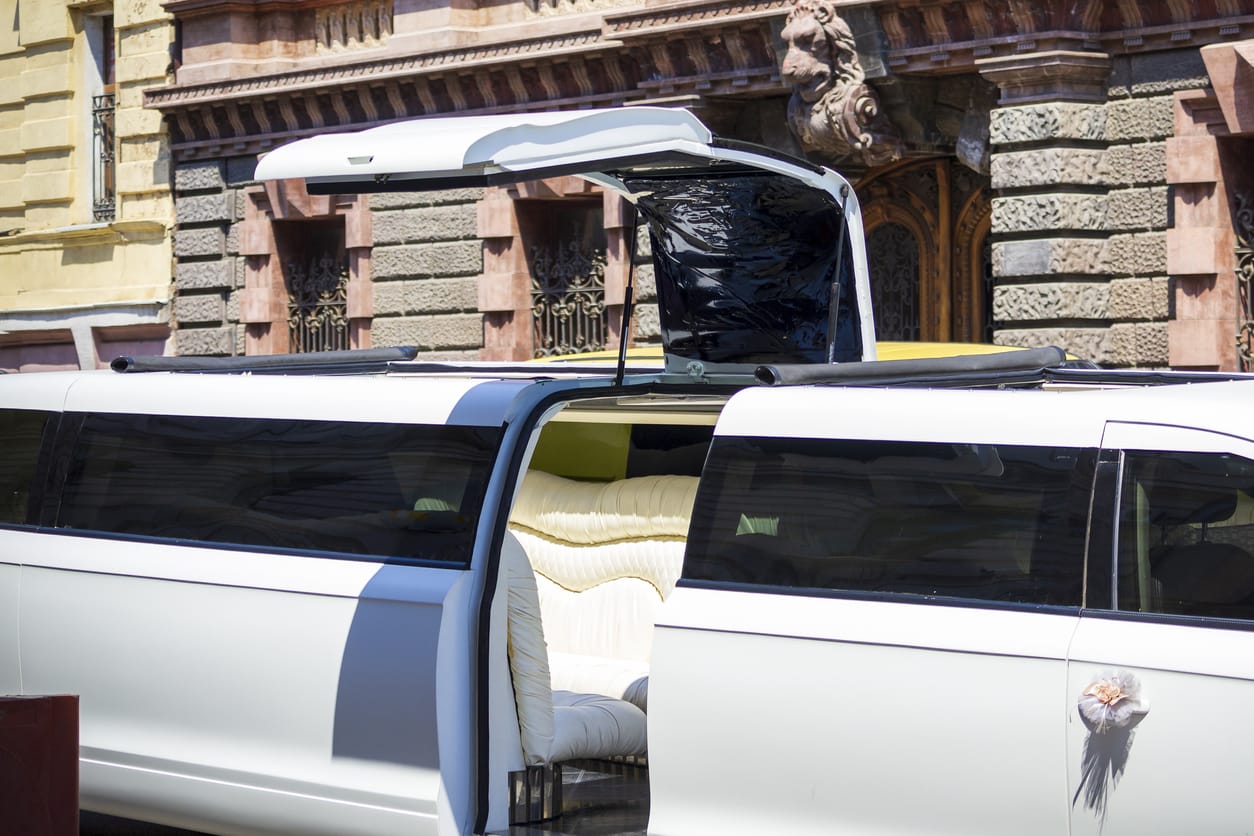
Photograph the interior too. The passenger compartment is a large part of the vehicle’s value, and glassware, lighting, upholstery and the partition are all things that can be damaged and disputed.
Remove everything loose from the passenger compartment: glassware, bottles, ice buckets, remote controls and anything on the seats. Secure or remove the partition glass if it is a sliding type that can travel.
Leave about a quarter tank of fuel. Retract or secure the antenna, fold the mirrors, disable a motion sensitive alarm, and hand over one key.
Insurance Deserves a Specific Question
Ask what the carrier’s cargo limit is and whether it is per vehicle or per incident, then compare it against what the limousine is actually worth.
A converted vehicle is frequently worth considerably more than the donor car and considerably more than a standard cargo limit assumes, and if it is a working commercial asset there is also the cost of it being off the road. Establish the coverage position before it moves rather than after.
If it is insured commercially, tell your own insurer it is in transit and confirm whether that is covered. Our guide to what car shipping insurance actually covers works through the detail.
Common Questions
What does the carrier need to know? The measured length above all, plus height, weight and whether it runs. Stretch lengths are not standardized.
Why does it cost more than a car? It occupies the deck space of roughly two vehicles, and sometimes needs a dedicated trailer.
What is the main loading risk? Grounding in the middle on a standard ramp, because the long wheelbase pivots over the ramp lip.
Do I need enclosed transport? On a working or newly converted limousine, it is the reasonable default. Open is defensible on an older vehicle going to auction.
What should I photograph? Both full sides, the roof, each wheel, the underside of the stretched section, and the interior including glassware and the partition.
Get a Quote
Call Ship A Car, Inc. at (866) 821-4555 with both zip codes, the measured length and whether it runs, or price the move with the instant calculator.