How to Ship a Lexus RX
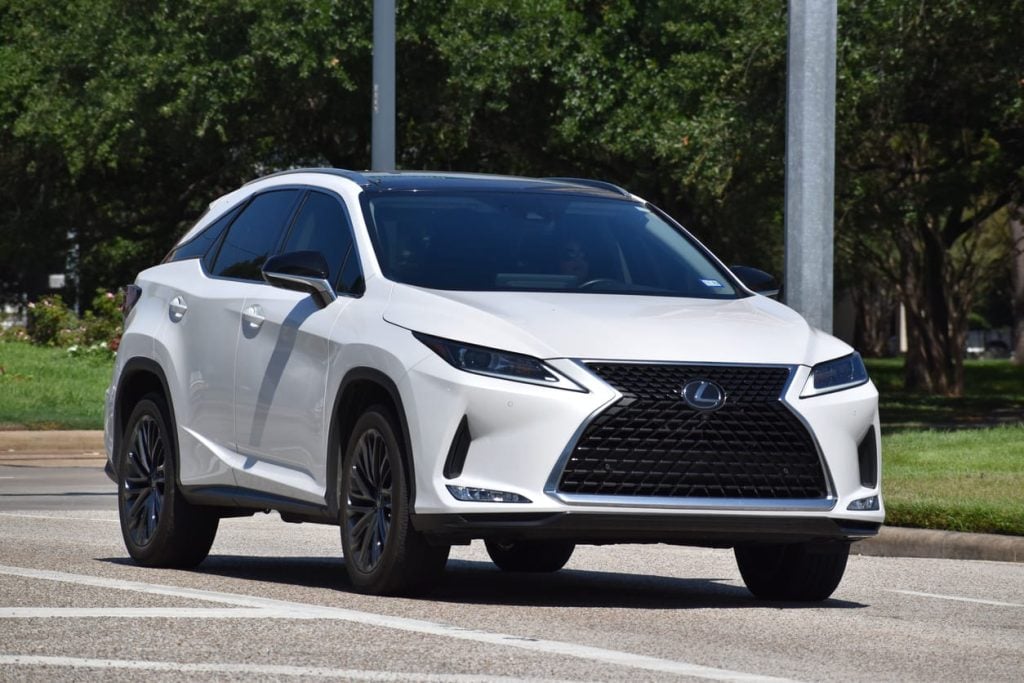
The RX is one of the most commonly shipped vehicles in the country, and it is an easy one: midsize crossover dimensions, normal ground clearance, and nothing unusual about how it loads. The things worth attention are the ones specific to a well equipped luxury crossover rather than to the model itself.
Here is what to expect on price, and the four details that are worth a sentence at booking.
What It Costs and Why
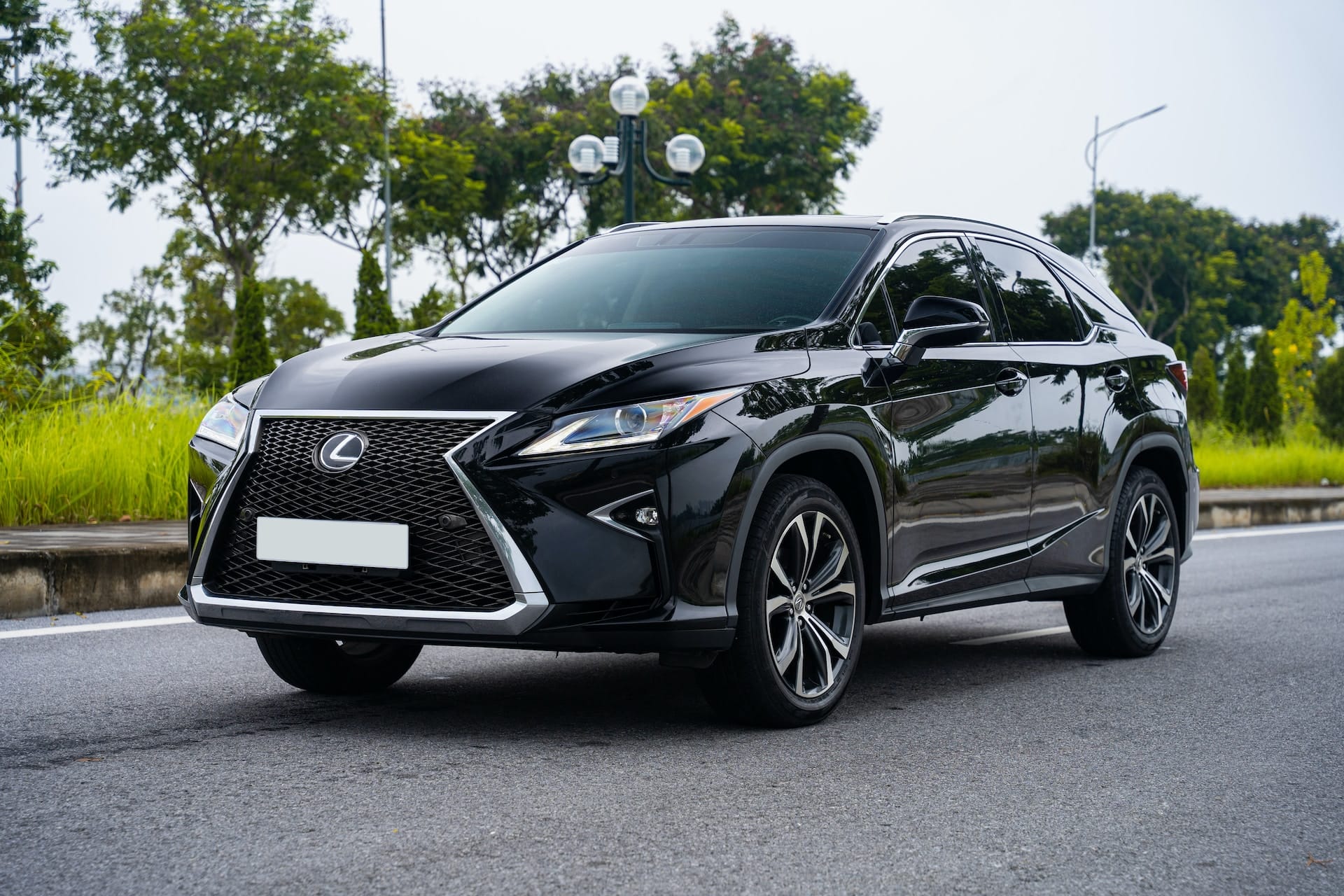
An RX sits in the midsize SUV bracket for pricing, which is a step above a sedan and below a full size truck. Carriers price by the space and weight a vehicle takes on the trailer, and a crossover occupies more of both than a compact car.
Beyond that, the drivers of the number are the same as for anything else: distance and route, how far each end is from a major corridor, the season, how flexible your dates are, whether the vehicle runs and drives, and whether you want enclosed transport.
Two things move the price more than most people expect. Rural pickup or delivery, because a detour off a main interstate costs a driver time that has to be recovered. And a narrow date window, because it shrinks the pool of carriers who can commit.
Open or Enclosed
Open transport is the right answer for the large majority of RXs. It is what most vehicles in the country move on, the exposure is comparable to driving the car the same distance, and it costs meaningfully less.
Enclosed is worth the premium in specific cases: a new or nearly new vehicle where the arrival condition matters to you, fresh paint or bodywork after a repair, an F Sport with expensive wheels and low profile tires you would rather not have chipped, or a lease return where you are exposed to a damage assessment.
If you are undecided, get both prices before choosing rather than assuming enclosed is out of reach.
Four Things to Mention When You Book
These are the RX specific details, and each one takes a sentence.
Whether it is a hybrid. The RX has been sold as a hybrid for a long time, and the hybrid and plug in versions weigh more than the gasoline model. Weight matters on a trailer with a legal limit, so say which one you have.
Roof racks, crossbars or a hitch. Anything that changes the vehicle’s height or length changes which position it can occupy on the trailer. Racks are common on an RX and easy to forget about because you stop noticing them.
Aftermarket wheels or a lowered ride height. Standard clearance is fine. Anything lower needs a gentler approach angle, and the carrier assigns the loading position accordingly.
Whether it runs and drives. If it starts, moves, steers and brakes, any carrier can load it. If not, it needs a winch and a truck equipped for one, which is a different booking.
Preparing the Vehicle
Wash it, because existing marks do not show through dirt. Then photograph every panel, both bumpers, the wheels, the roof and the odometer, outdoors and in daylight, with close detail on any existing chips or scratches.
Leave about a quarter tank of fuel. Enough to load and unload, not enough to add unnecessary weight. Empty the interior completely, including the cargo area and the door pockets, since personal items are not covered by a carrier’s cargo insurance and shift around in transit.
Retract or remove anything that protrudes. Fold the mirrors if they fold. Disable or remove a toll transponder so it does not register charges across several states while the vehicle is on a truck.

Two Lexus specific notes. If the vehicle has a connected services app, you may see its location during transit, and an apparently indirect route is normal because the truck is collecting and delivering other cars. And if there is any procedure needed to move the vehicle, write it down and hand it over with the key rather than assuming the driver will discover it.
Pickup, Transit and Delivery
Car transport runs to windows rather than appointments. You will be given a pickup window and a delivery estimate, and a driver who is delayed at an earlier stop moves everything behind it. On a long cross country route, five to ten days in transit is normal once the vehicle is collected.
Access decides how easy pickup is. A full size hauler is around 75 feet long and needs room to turn, level ground and clear overhead space. Narrow residential streets, low branches, tight cul de sacs and gated communities are all common obstacles, and meeting at a nearby lot with space is standard practice rather than a compromise.
At delivery, inspect before signing. Walk the vehicle, check the panels and wheels against your photographs, and note anything on the bill of lading at the time. If it arrives after dark, write on the document that a full inspection was not possible. That paperwork is what any claim rests on.
Insurance, Briefly
The carrier holds cargo insurance covering the vehicle in transit, with a limit per load that varies. Ask for the certificate if you want to see it, and check the limit against what your RX is worth, particularly if it is new. Your own auto policy may also extend to transport, which is a short call to your insurer. What the policies do and do not cover is set out in our page on auto shipping insurance.
Common Questions
How much does shipping an RX cost? It prices in the midsize SUV bracket, with distance, route, season, timing and enclosed versus open setting the number.
Does the hybrid cost more? It can, because it weighs more. Say which version you have when booking.
Do I need enclosed transport? Usually not. It is worth it for new vehicles, fresh paint, expensive wheels or a lease return.
Should I remove the roof rack? Mention it at minimum, since it changes the height. Removing it is easier than reworking the load.
Can I leave things in the cargo area? No. Personal items are not covered and move around in transit.
Get a Quote
Call Ship A Car, Inc. at (866) 821-4555 with both zip codes, your date range and whether the RX is a hybrid, or request an estimate for the move through the quote calculator.