How to Ship a Hyundai Genesis
The Genesis sits in an awkward middle: it is a genuine luxury car with the depreciation curve of a mainstream one, and that combination changes the shipping decision. An older model is worth protecting but not worth paying collector rates for; a current one deserves the same care as any German rival. Working out which side of that line your car sits on is what determines whether enclosed transport makes sense.
Know Which Genesis You Have
The naming has changed and it matters when you request a quote.
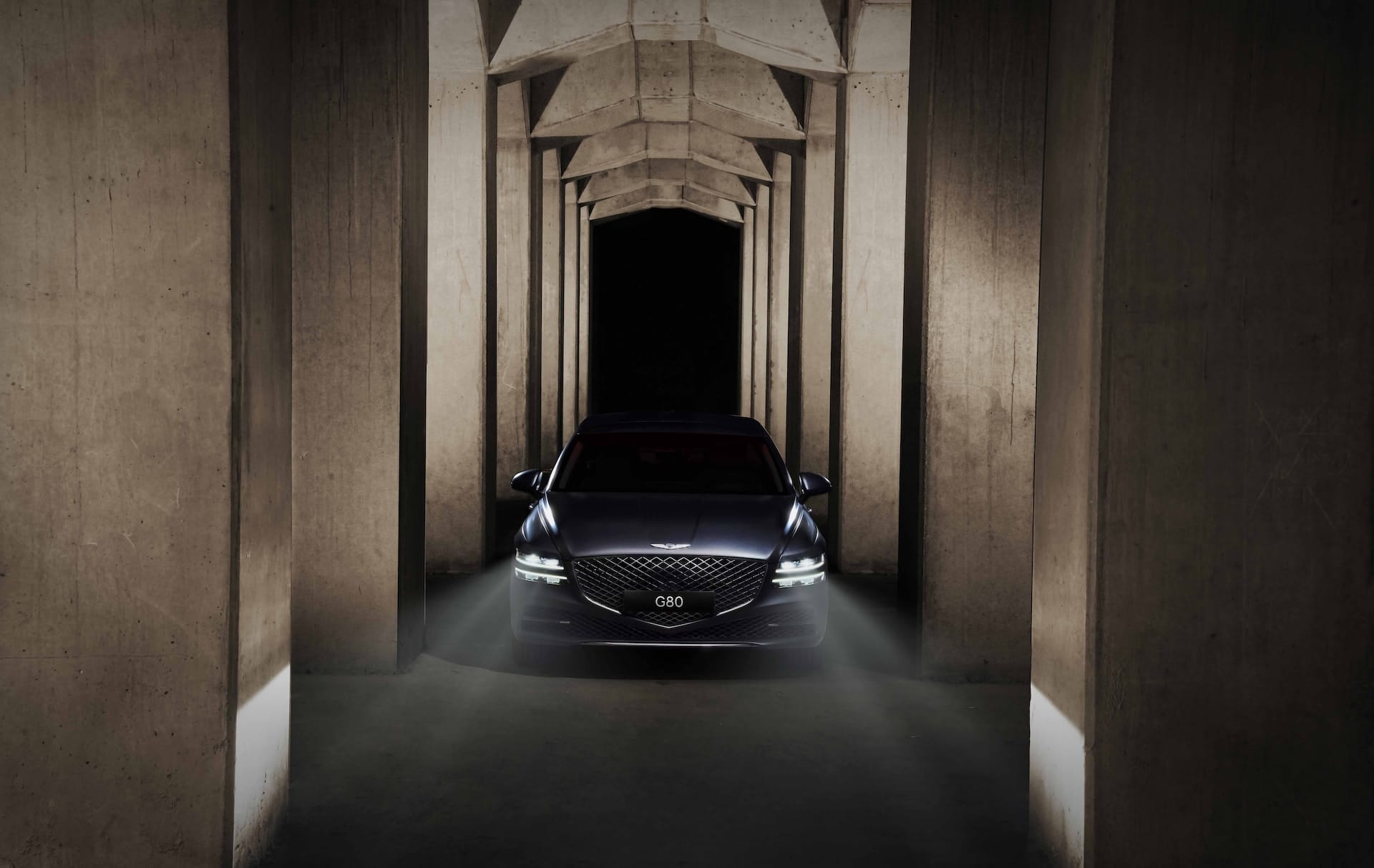
The Hyundai Genesis sedan was sold under the Hyundai badge before Genesis became a separate marque, after which the cars became the G70, G80 and G90, joined later by the GV70, GV80 and other SUVs. A carrier quoting on dimensions and weight needs to know the actual model rather than just the name.
The practical difference is size and weight. A G80 or the older Genesis sedan is a large car, and the G90 larger still, at well over 4,500 pounds in some configurations. That is meaningfully heavier than a mid size sedan and it prices accordingly, because a carrier is selling payload as well as deck space.
Give the model, year and body style when you ask for a price. A quote based on the wrong assumption is a quote that changes later.
Ground Clearance Is the Real Issue
This is the one genuinely model-specific concern, and it applies to the sedans rather than the SUVs.
A G70 or G80 sits low, particularly with a sport package and larger wheels, and the front air dam is close to the ground. Standard steel loading ramps have an approach angle that a low car can catch, and the damage happens at the front lip where it is expensive and obvious.
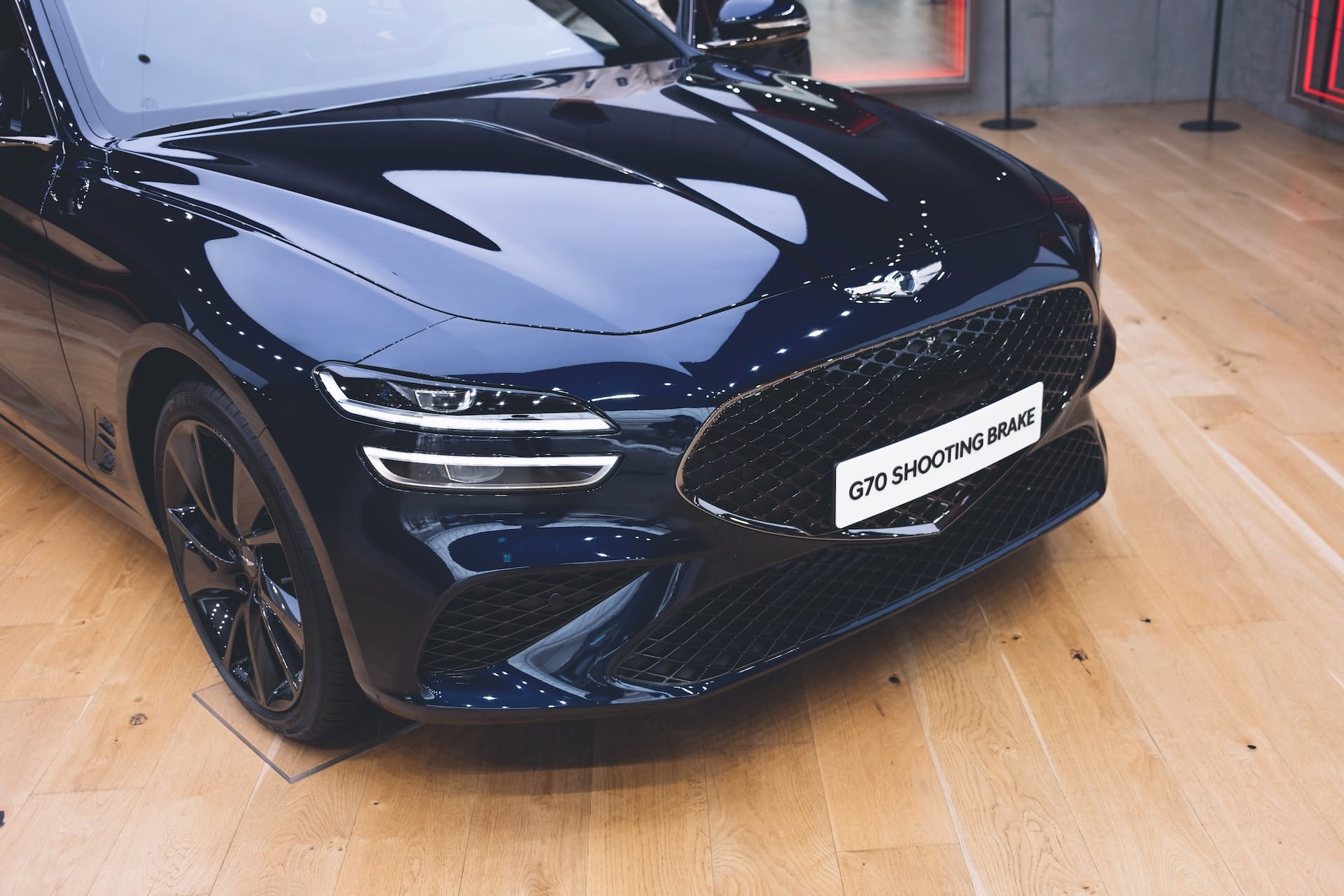
Tell the carrier the car is low when you book. An experienced driver will use extended ramps, load it in a top deck position where the angle is gentler, or use a lift gate trailer. None of that is exotic; it just has to be known in advance rather than discovered on a driveway.
If your car is lowered beyond factory height, say that explicitly. It changes the equipment needed and it is not something a driver can judge from a photograph.
Open or Enclosed
Here is where the depreciation curve earns its mention.
For a current or near current Genesis, enclosed transport is a reasonable choice. It costs about a third more, and it removes road debris, weather and prolonged sun exposure from the equation on a car whose paint and interior are a large part of its value. Enclosed carriers also generally carry higher cargo insurance limits, which matters when the vehicle is worth more than a trailer full of ordinary sedans.
For an older Hyundai-badged Genesis with real miles, open transport is entirely sensible and it is what most owners use. The car is well built and ordinary open transport is what the overwhelming majority of vehicles travel on.
The test worth applying is simple: would a repaint or a scuffed wheel represent a large fraction of the car’s value? If yes, enclosed. If no, open.
Preparing It
Wash it so existing marks are visible, then photograph every panel in daylight, including the wheels, the lower bumpers, the front air dam and the rocker panels. On a low car the front lip deserves its own close photograph, because that is where loading damage occurs.
Leave about a quarter tank of fuel. Empty the cabin and the trunk completely, since personal items are not covered by cargo insurance and they add weight.
Fold the mirrors, disable a motion sensitive alarm, and remove a toll transponder so you are not billed for the truck’s route. Retract or remove anything that protrudes. Note the tire pressures and any fluid leaks.
If the car has adaptive suspension with a raise function, tell the driver it exists and how to use it, and make sure it is not in a mode that lowers the car on shutdown.
The Dealer Transfer Case
A good share of Genesis shipments are not owner moves at all. They are dealer transfers and online purchases, and those have their own wrinkle.
Genesis operates a smaller dealer network than Hyundai does, so buyers regularly find the specification they want several states away. That means the car is frequently collected from a dealer lot by a carrier and delivered to a residential address, with the buyer never having seen it in person.
Two things follow. First, insist that the selling dealer photographs the car properly before release, because you have no baseline otherwise and the condition report at pickup is written by a driver who has no idea what the car looked like an hour earlier. Second, arrange for someone to be present at delivery who is willing to refuse to sign a clean bill of lading if something is wrong. A buyer who signs on trust and inspects afterward has given away the argument.
At Pickup and Delivery
Walk around the car with the driver rather than handing over keys and going inside. The condition report on the bill of lading is the document that settles a dispute, and it is written at pickup.
At delivery, inspect before signing, in daylight if you possibly can, and compare against your photographs. Check the front lip, the wheels and the areas around the tie-down points first, since those are where transport damage appears.
Note anything unexpected on the paperwork while the driver is present. If the car arrives after dark or in heavy rain, write that a full inspection was not possible before you sign. Our guide to what car shipping insurance actually covers explains what the cargo policy does and does not include.
Common Questions
Does a Genesis need enclosed transport? A current model, reasonably yes. An older Hyundai-badged Genesis with miles on it, open transport is entirely sensible.
What is the main risk? Ground clearance at loading. The front air dam can catch on a standard ramp, so tell the carrier the car is low.
What information does the carrier need? The actual model and year, whether it is lowered, and whether it runs and drives.
Why does it cost more than a mid size sedan? Size and weight. A G80 or G90 is a large, heavy car, and carriers sell payload as well as deck space.
What should I photograph? Every panel, plus a dedicated close shot of the front lip and each wheel.
Get a Quote
Call Ship A Car, Inc. at (866) 821-4555 with both zip codes, the model and year, and whether the car is lowered, or request an estimate for the move through the quote calculator.