Shipping a Student’s Car to Texas Colleges
Texas is easy to ship into and the distances inside it are what surprise people. Austin to Lubbock is further than New York to Boston, and El Paso is closer to San Diego than to Houston. Where your student is going matters more here than in almost any other state, and it changes both the price and the sensible route.
Why Carrier Availability Is Good
Interstate 35 runs north to south through Dallas, Austin and San Antonio and is one of the busiest corridors in the country. Interstate 10 crosses east to west through Houston and San Antonio to El Paso, and Interstate 20 and 45 fill in the rest of the triangle.
The result is that an ordinary Texas pickup or delivery is usually assigned within a few days, and lanes to the Southeast, the Midwest and the West Coast all price competitively.
Where it gets harder is the parts of the state that are genuinely remote from those corridors. Lubbock, Amarillo and the far west are a long way from anywhere, and that shows up as both a higher rate and a longer wait for assignment.
Timing Around the Academic Calendar
Move-in runs from mid August into early September and collides with the tail of the summer moving season. Move-out in May is compressed into a fortnight and is sharper still.
Book three to four weeks ahead for those windows, and give a range of pickup days rather than a single date. Moving a week either side of the crush avoids it and costs noticeably less.
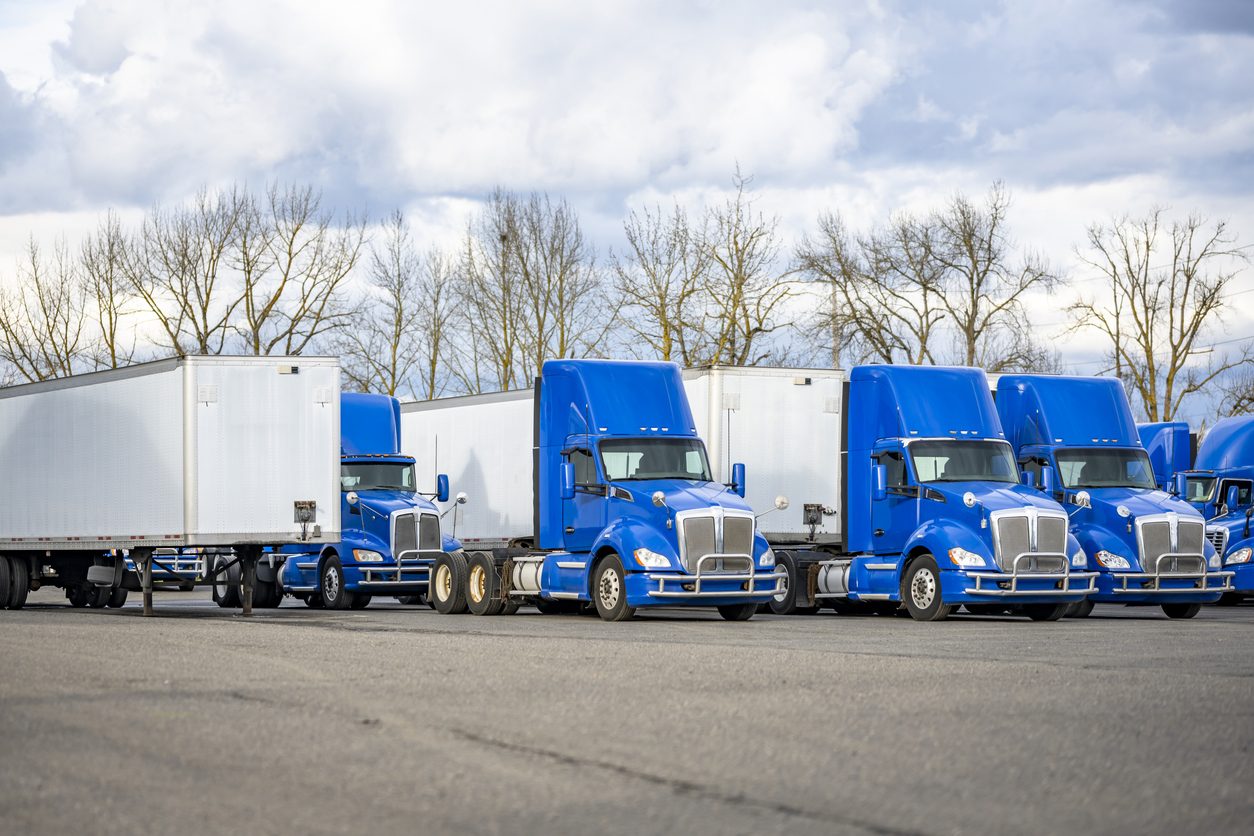
Texas summers add a practical consideration the northern states do not have. August move-in happens in genuine heat, and a car sitting on an open upper deck reaches extreme interior temperatures. Remove anything that can melt, warp or burst before it goes.
Campus Access
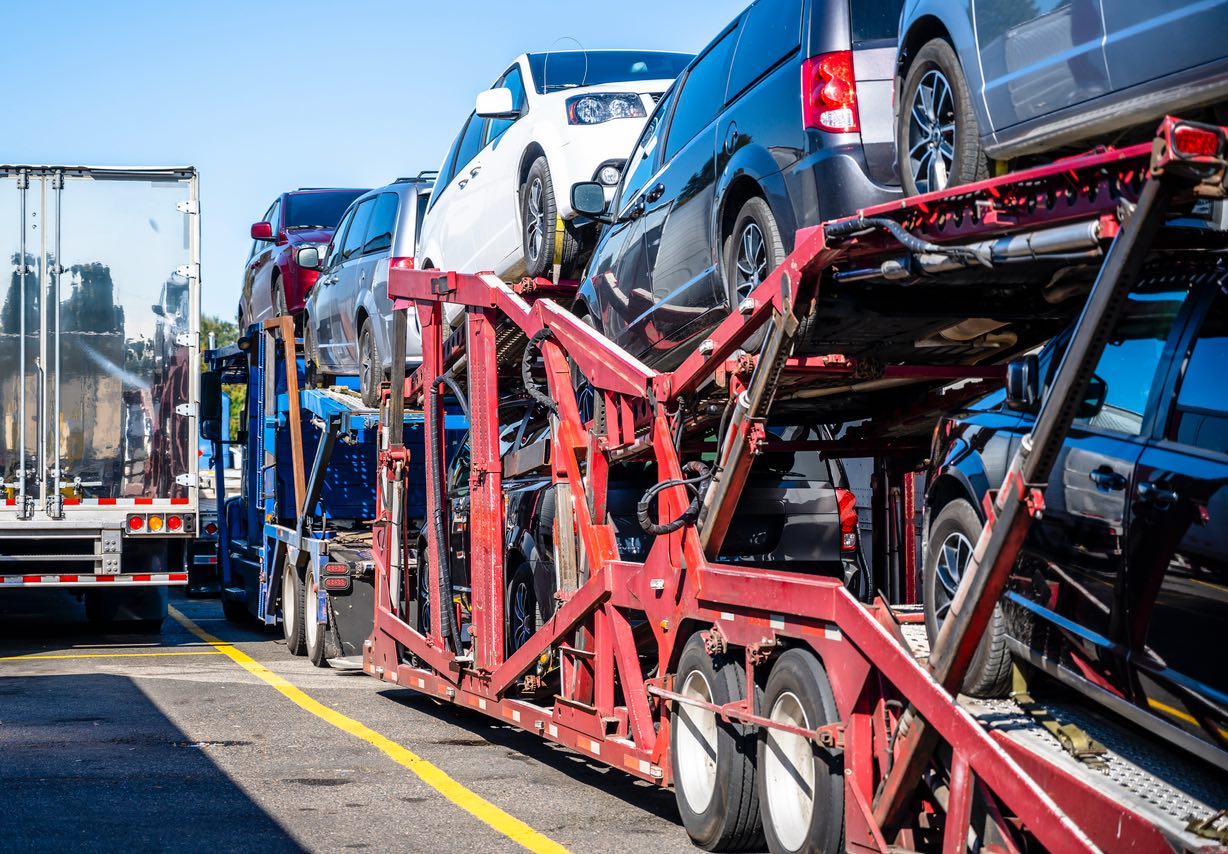
A loaded car hauler is around 75 feet long and 13 feet 6 inches tall, and Texas campuses vary more than most.
The large public campuses at Austin, College Station and Lubbock have wide roads and space, but the streets immediately around them are dense student housing during move-in week and effectively impassable for a truck that size. Several universities also prohibit commercial vehicles on campus during those days.
The Houston and Dallas urban campuses are harder again, with traffic and limited stopping.
The normal arrangement is a meeting point at a large retail lot near an interstate exit. Agree it at booking and check the university’s published move-in rules, since several designate specific areas and time windows.
The Campuses This Comes Up For
Texas has more large public universities than any state except California, and the shipping picture differs across them.
The University of Texas at Austin and Texas A&M at College Station draw nationally, which means long inbound lanes and a real argument for shipping rather than driving. Austin sits directly on Interstate 35; College Station is off the main corridors, which shows up as a slightly longer wait for assignment.
Texas Tech at Lubbock and West Texas A&M at Canyon are the genuinely remote ones. Both are hours from the nearest major freight corridor, and a pickup or delivery there costs more and takes longer to assign than the mileage alone suggests.
The Houston and Dallas Fort Worth campuses, Rice, the University of Houston, SMU, TCU and UNT at Denton, sit in dense metros with excellent carrier availability and awkward last-mile access. Those are the ones where a meeting point matters most.
Should They Take a Car?
In Texas, usually yes, and that is a genuine difference from the Northeast.
Public transit outside the urban cores is limited, distances are large, and off campus housing is common. A student at College Station, Lubbock or Denton generally needs a vehicle in a way a student in Boston does not.
The exception is a first year living on a compact urban campus in Austin or Houston, where parking is expensive and restricted and transit is workable.
Preparing the Car
Wash it so existing marks are visible, then photograph every panel in daylight, including the wheels, the lower bumpers and the rocker panels, which are what loading marks. Photograph the odometer.
Leave about a quarter tank of fuel and empty the car completely. Personal items are not covered by cargo insurance, they add weight and they shift in transit, so dorm belongings travel separately.
Check tire pressures and coolant before a summer move, since Texas heat raises pressures and works a cooling system hard. Make sure the car is serviceable before it goes, because a breakdown far from home is harder to handle when the driver is a student.
At delivery, inspect before signing and note anything unexpected on the bill of lading while the driver is present. Our guide to shipping a car for college students covers the service in more detail.
Cost and How to Keep It Down
Distance sets the base, then the season and the access. Student cars are usually small and light, and ordinary enough that open transport is clearly right.
The levers are a range of pickup days, a meeting point near an interstate rather than a campus address, and moving outside the move-in and move-out fortnights where the term dates allow it. For the remote campuses, ask what a pickup near a major corridor would cost, because the difference on a West Texas address can be substantial.
Treat a quote well below the others in peak weeks as a warning rather than a win.
Common Questions
How quickly can a carrier collect in Texas? Usually within a few days near I-35, I-10, I-20 or I-45. West Texas takes longer.
Can the truck deliver to campus? Rarely during move-in week. Expect a meeting point at a lot near an interstate exit.
Should a Texas student have a car? Usually yes. Distances are large and transit outside the urban cores is limited.
Does the heat matter? For the interior and anything left inside, yes. Empty the car and check tire pressures and coolant first.
When should I book? Three to four weeks ahead for August and September move-in and for May move-out.
Get a Quote
Call Ship A Car, Inc. at (866) 821-4555 with both zip codes, the term dates you are working to and where the driver can meet your student, or request an estimate for the move through the quote calculator.