Shipping a Car from New York City to Seattle
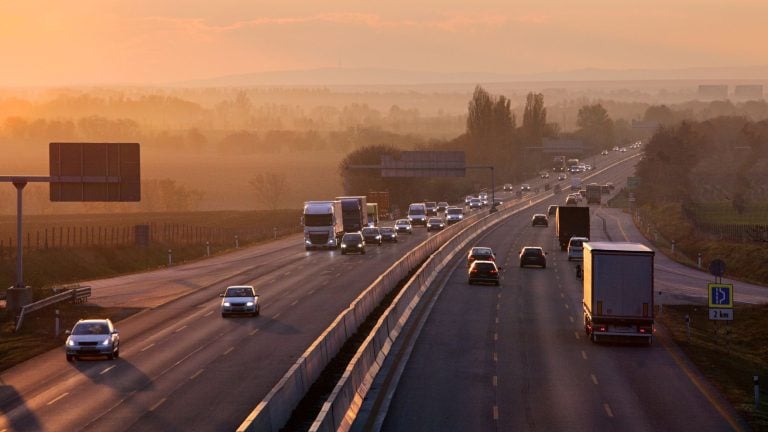
New York to Seattle is roughly 2,850 miles across the northern tier of the country, and it is the one major coast to coast lane where the season genuinely changes the route. In summer it is a straightforward interstate run. In winter the mountain passes between Montana and Washington are the whole story, and the estimate has to allow for them.
The Route Changes with the Weather
Carriers run this corridor two ways and the choice is seasonal rather than arbitrary.
The direct northern route is Interstate 80 west to Chicago, then Interstate 90 across Minnesota, South Dakota, Montana and Idaho into Washington. It is the shortest path and it is what runs from spring through autumn.
In winter that route crosses several high passes, and Snoqualmie Pass east of Seattle is the one that closes. When it does, or when chain requirements are in force, carriers either wait or divert south through Wyoming and Utah and come up through Oregon. That diversion adds hundreds of miles and days.
This is not a reason to avoid a winter move. It is a reason to book with slack in the schedule and to treat any December to March delivery estimate as a genuine range.
How Long It Takes
Plan on eight to twelve days door to door in good conditions, and more in winter.
Transit is typically seven to ten days once the vehicle is collected. A driver covers a few hundred miles a day within federal hours of service limits, and there are multiple stops on the way. Add a few days for a carrier to be assigned after you book.
Expect a delivery window rather than a time. A driver out of legal hours stops for the night, and a pass closure stops everybody.
The New York End Is the Harder One
Most people assume the mountains are the difficult part. In practice the first mile causes more trouble than the last two thousand.
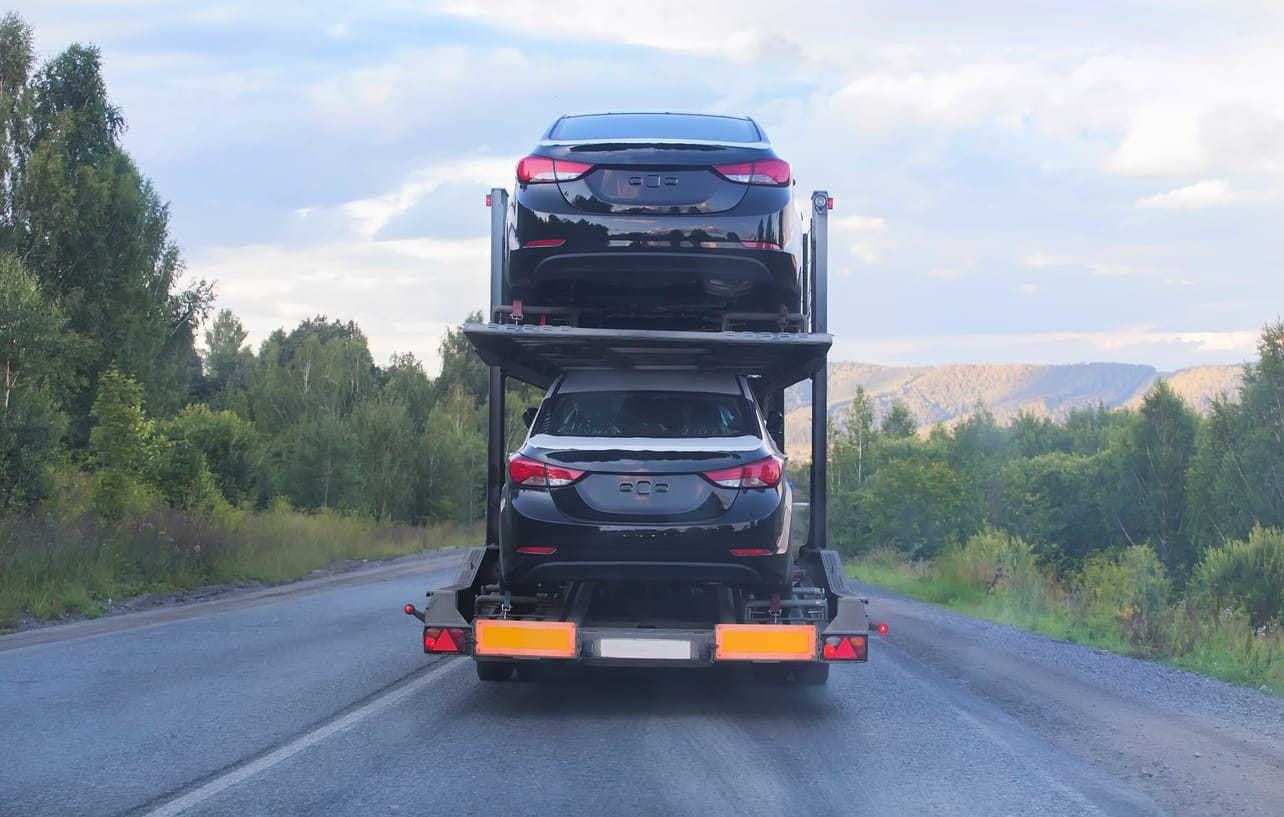
A loaded car hauler is around 75 feet long and 13 feet 6 inches tall. Manhattan below 60th Street is inside the congestion relief zone, and quite apart from the charge, the streets have nowhere legal for a truck that size to stop and unload. Many carriers decline Manhattan outright.
Brooklyn, Queens, the Bronx and Staten Island are ordinary territory subject to the usual question of whether a specific street works. Northern New Jersey and Westchester are easy.
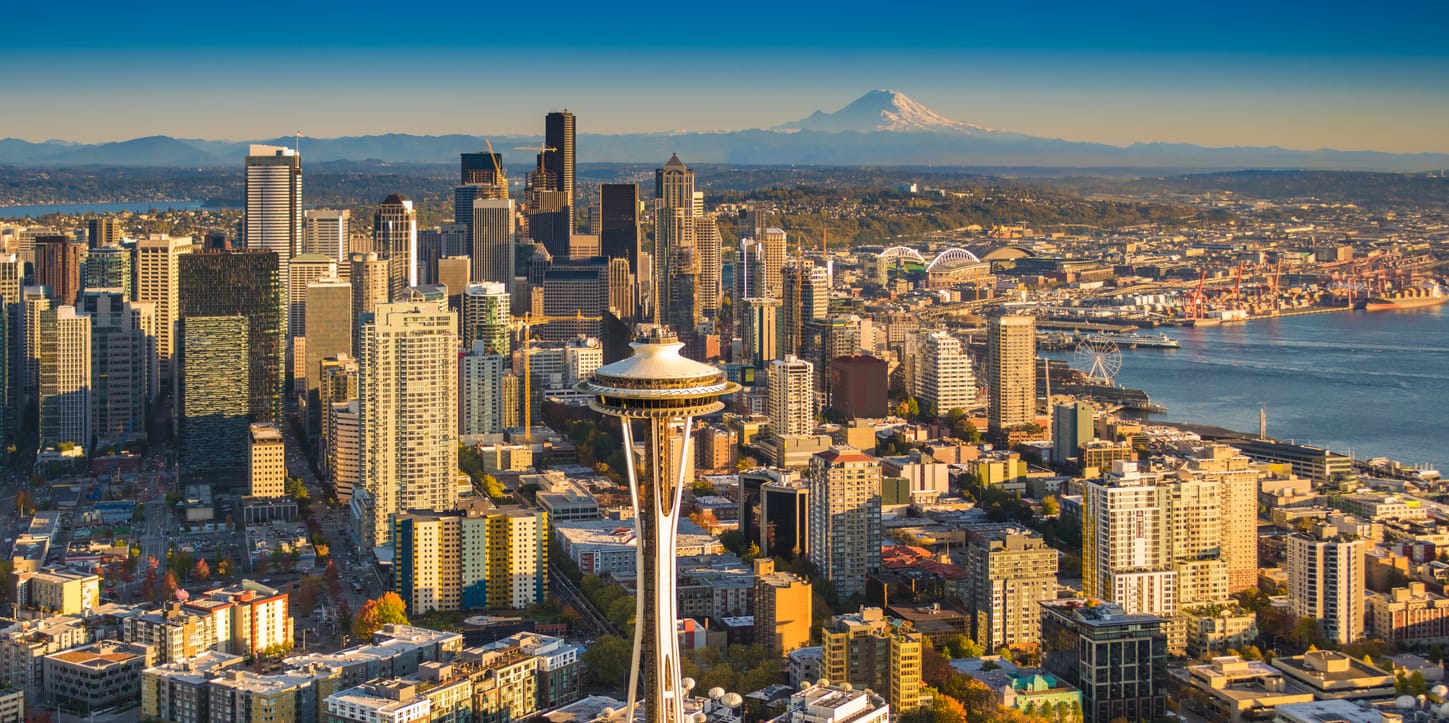
The normal arrangement for a Manhattan address is a meeting point outside the zone, commonly in New Jersey near a crossing or in one of the outer boroughs. Agree it at booking. Seattle is comparatively easy, though the hillier neighborhoods and anything with a low garage entrance need the same conversation.
What It Costs
Distance sets the base and this is a long lane. After that, the usual factors apply.
Vehicle size and weight, whether it runs, open or enclosed, and access at both ends. There is one lane specific factor worth knowing: freight flows are not balanced across the northern tier, so westbound and eastbound rates on this corridor are not always the same in a given month.
Winter pricing reflects risk as well as demand. A carrier committing to a January delivery through the passes is pricing the possibility of sitting for two days, and that is reasonable rather than opportunistic.
Should You Drive It Instead?
On a lane this long the comparison is worth doing properly rather than by instinct.
The drive is around 42 to 45 hours of actual road time, which is five days at a sensible pace and four if you push. Count fuel at your car’s real economy, four nights of lodging, meals on the road, and the 2,850 miles of wear you are adding to the vehicle. Then count the days of your own time, and in winter add the risk of sitting out a pass closure in a motel rather than in a truck.
Against that, a one way flight from New York to Seattle is a few hours and frequently cheap if booked ahead. For most people moving households the arithmetic favors shipping, and it favors it more the more people would otherwise be in the car.
Driving wins when you actually want the trip, when you have two vehicles and only need one shipped, or when your dates are so tight that a delivery window will not work.
Open or Enclosed
Open transport carries almost everything on this lane and it is right for an ordinary car.
Enclosed is worth the premium of about a third on a collector vehicle or fresh paintwork, and it has a specific winter argument here. The northern route is treated with salt and brine for months, and 2,850 miles of that on an open deck is a genuine consideration for a car you intend to keep clean.
Preparing the Car
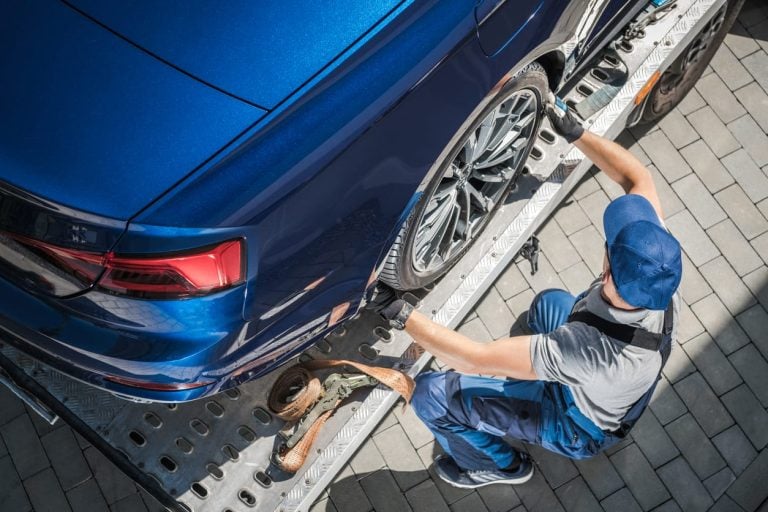
Wash it so existing marks are visible, then photograph every panel in daylight, including the wheels, the lower bumpers and the rocker panels, which are what loading marks. Photograph the odometer.

Leave about a quarter tank of fuel. Empty the cabin and the trunk, since personal items are not covered by cargo insurance and they add weight. Fold the mirrors, disable a motion sensitive alarm, remove the toll transponder, which matters more in the New York region than anywhere else, and hand over a physical key.
For a winter move, check the battery and the coolant concentration before pickup. A car that sits for ten days in freezing temperatures on a trailer is a harder start than the same car in your driveway, and a vehicle that will not move at delivery is treated as inoperable.
At delivery, inspect before signing, compare against your photographs and note anything unexpected on the bill of lading while the driver is present. Our Washington car shipping page covers the destination state more broadly.
Common Questions
How long does New York to Seattle take? Eight to twelve days door to door in good conditions, of which seven to ten is transit. Winter can add several days.
Does the route change in winter? Yes. Snoqualmie Pass and the Montana and Idaho passes can close, and carriers either wait or divert south through Wyoming and Utah.
Can a truck deliver in Manhattan? Usually not. Expect a meeting point in New Jersey or an outer borough, which was true before congestion pricing and remains true now.
Is a winter move a bad idea? No, but book with slack and treat the delivery date as a range rather than a promise.
Should I choose enclosed? For an ordinary car, no. For fresh paint or a vehicle you keep clean, the salted northern route in winter is a real argument for it.
Get a Quote
Call Ship A Car, Inc. at (866) 821-4555 with both zip codes, your date range and where you can meet the truck at the New York end, or request an estimate for the move through the quote calculator.