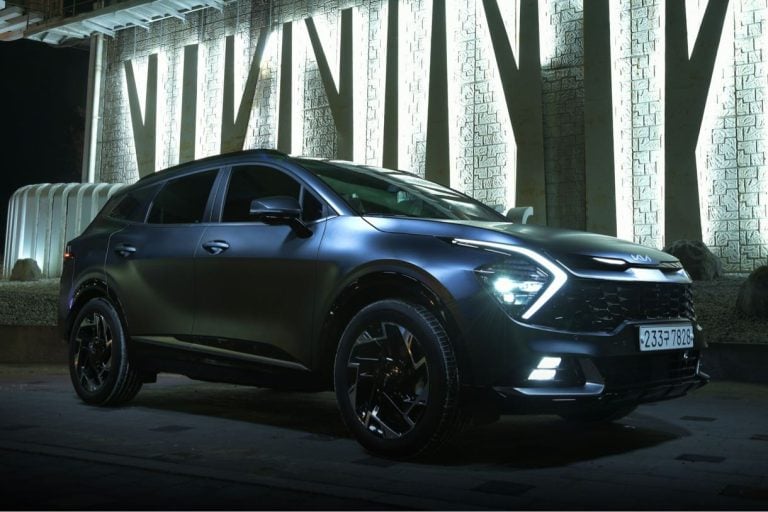
Flatbed Car Shipping: When It Is the Right Choice
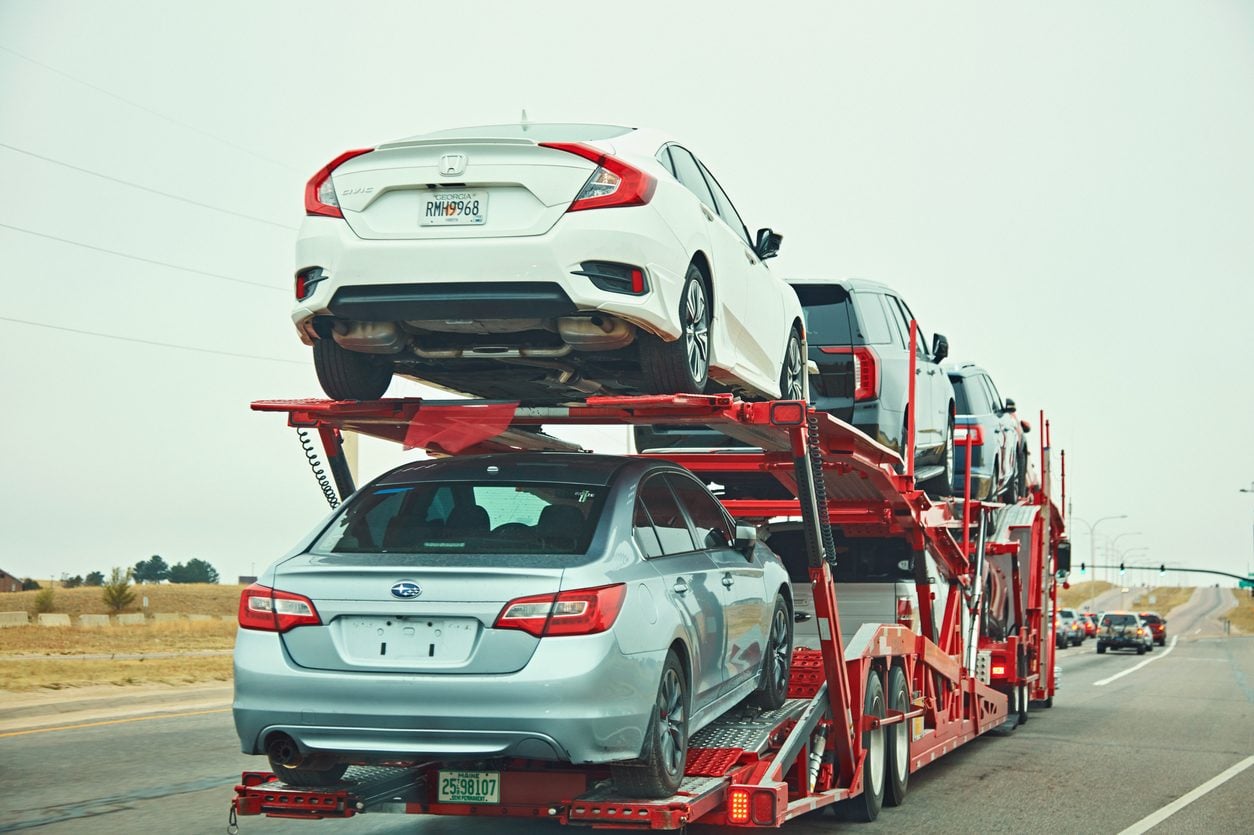
Most cars in the country move on multi car haulers, and that is the cheapest way to do it. A flatbed is a single vehicle solution, and it earns its higher price in a specific set of situations rather than as a general upgrade.
Here is what a flatbed actually is in this context, the cases where it is genuinely the right call, and where it is money spent for no benefit.
What People Mean by Flatbed
The word covers two different pieces of equipment, and the distinction matters when you are getting quotes.
A tow style flatbed, sometimes called a rollback, is a truck with a single deck that tilts and slides to the ground. One vehicle, sometimes two. The deck angle is shallow, and it can be loaded by driving on or by winch.
A flatbed trailer is a full size trailer with a flat, open deck pulled by a semi tractor. These are freight equipment, used for machinery and industrial loads, and they can carry a vehicle but they are not the normal way to move a car.
When customers ask for flatbed car shipping they nearly always mean the first one. What they usually want is the thing that comes with it: one vehicle on its own deck, loaded at a shallow angle, going directly from A to B.
Where a Flatbed Is Genuinely the Right Answer
Five cases, and they are real ones.
The vehicle does not run. A car that will not start but rolls, steers and brakes can be winched onto a flatbed straightforwardly. Not every multi car hauler carries a winch, so a flatbed often is the equipment that can actually take the job.
Very low ground clearance. Lowered cars, sports cars with front splitters and some classics cannot clear the ramp angle on a standard hauler without scraping. A tilting deck presents a much shallower angle, which is why this is the standard solution for a low car.
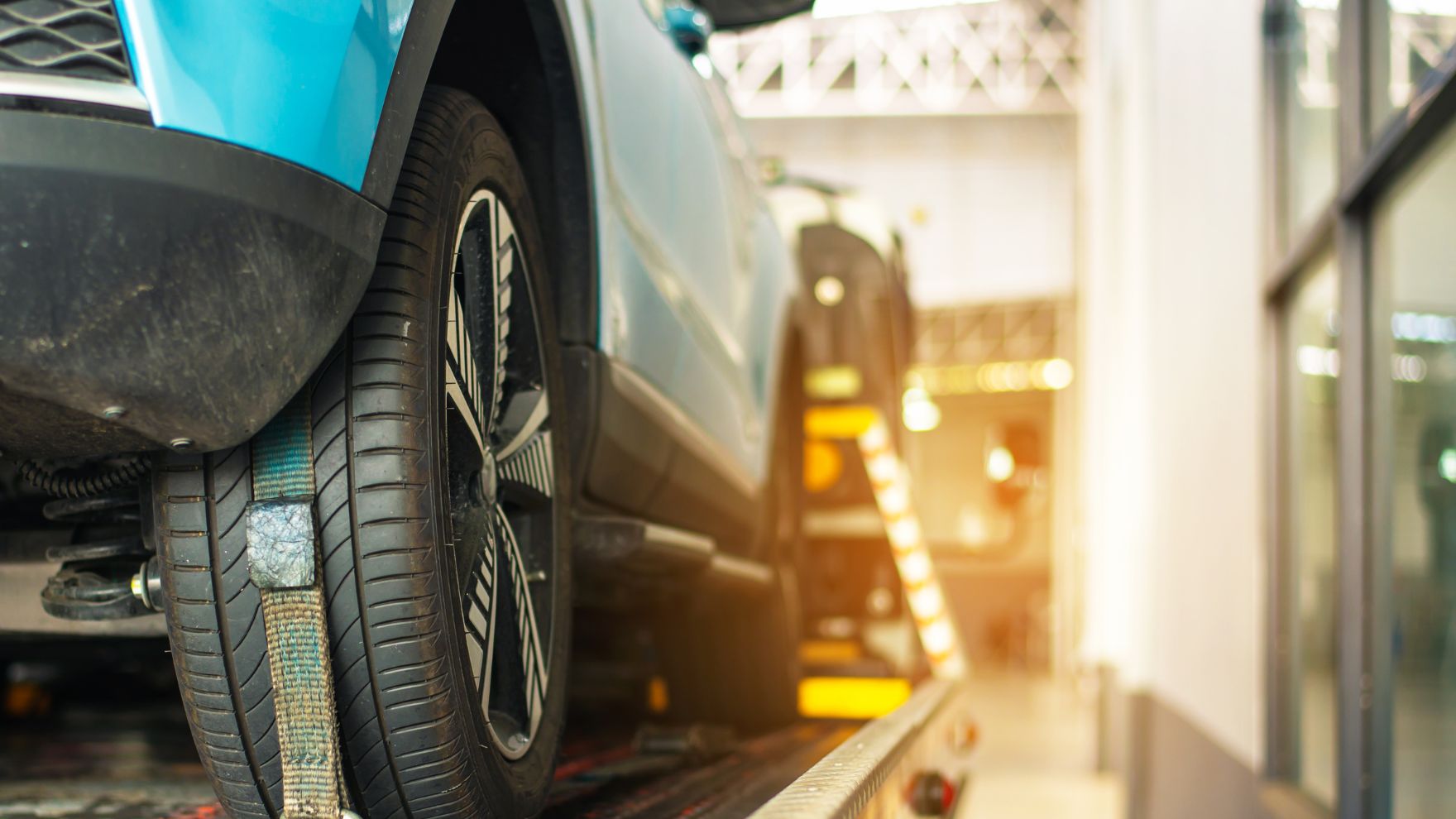
A short, direct move. Across town, between dealerships, from an auction to a shop, or a few hundred miles. On short distances a flatbed’s price advantage over waiting for space on a hauler routed the same way is real, and it goes when you want rather than when the load fills.
Damaged or partially disassembled vehicles. Accident recovery, a car missing a wheel, a project with no interior. Anything that needs to be handled rather than driven.
Timing that cannot move. A single vehicle on a dedicated truck is not waiting for eight other cars to be collected, so it is the more controllable option when a date is fixed.
Where It Is Not Worth Paying For
Two situations where customers commonly overspend.
A long distance move of an ordinary running car. A multi car hauler is substantially cheaper over a thousand miles and the vehicle is no less safe. Nine cars sharing a driver’s time and fuel is simply a better economic proposition than one car having it to itself, and that difference gets larger the further you go.
Weather protection. A flatbed is open. If the concern is rain, road debris, hail or dust, a flatbed does nothing for it and enclosed transport is what you want. This confusion is common and expensive: people pay a flatbed premium believing they have bought protection they have not.
So the honest framing is that a flatbed solves loading problems and scheduling problems. It does not solve exposure problems.
How the Loading Actually Works
Worth knowing, because it explains the price.
The deck tilts and often slides rearward until its lip is at or near ground level. A running car is driven on slowly. A non runner is winched, which needs a solid attachment point on the frame or a tow hook, so it helps to know where yours is.
The vehicle is then secured, and for anything valuable the request is wheel straps over the tires rather than chains hooked to the frame or suspension. Straps put no load through suspension components and nothing metal touches the body. Say it at booking rather than at the curb.
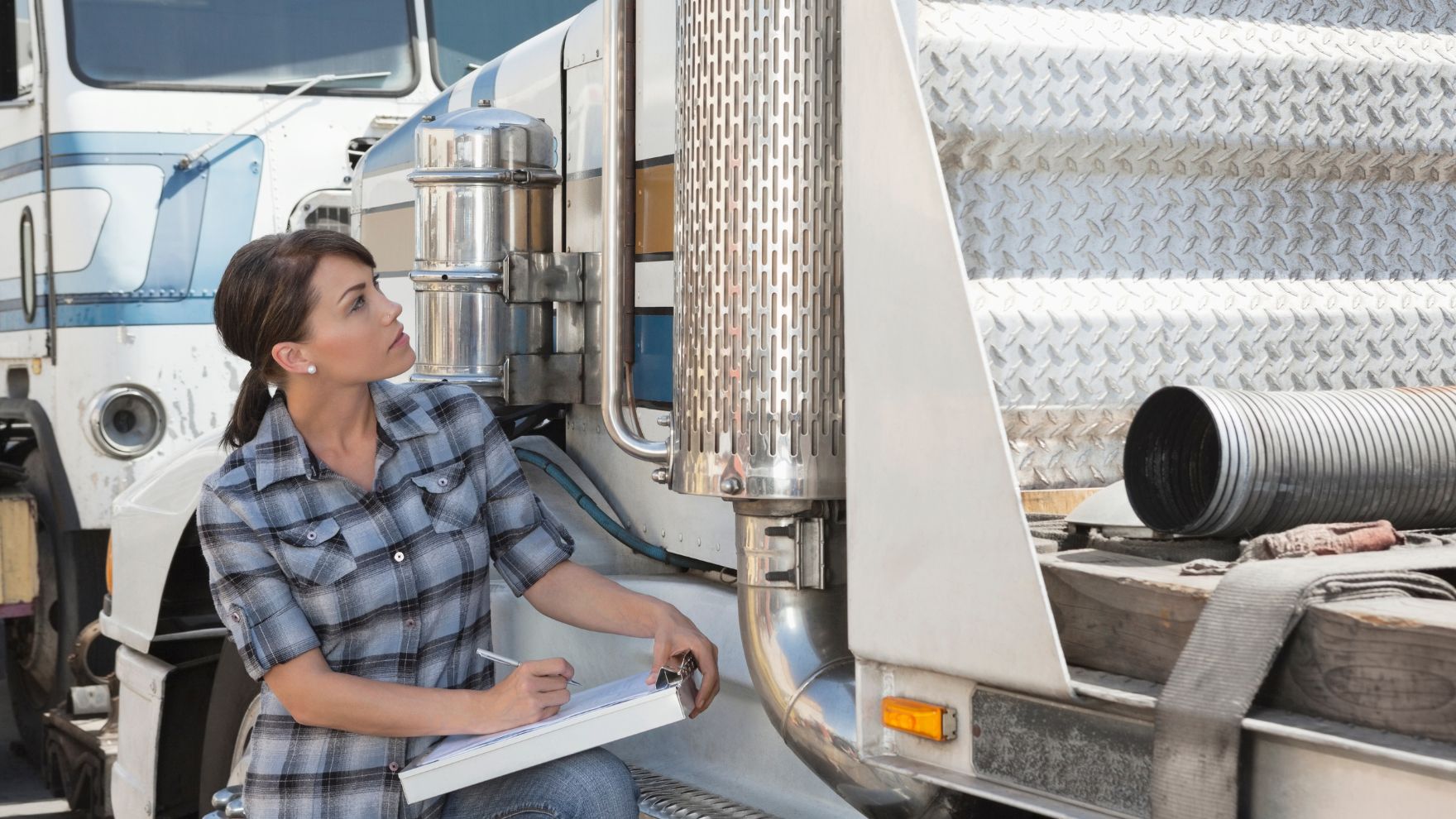
Access is easier than with a full size hauler, which is a genuine advantage. A rollback is far shorter than a 75 foot combination, so it can reach driveways, narrow streets and tight lots that a car hauler cannot. If access at either end is difficult, that alone may justify the choice.
What It Costs Relative to the Alternatives
As a general shape rather than a quote: an open multi car hauler is the cheapest, a flatbed sits above it, and enclosed transport is the most expensive.
The gap between a hauler and a flatbed narrows as distance shortens, and on a local move a flatbed can be the cheaper option outright. It widens as distance grows, which is why cross country flatbed moves are unusual unless the vehicle requires one.
The variables are the same as always: distance, route, whether the vehicle runs, access at both ends and how firm your dates are. What drives the number generally is set out in our page on what determines the cost of shipping a car, and if the vehicle does not run, shipping a car that does not run covers what changes.
Common Questions
Is a flatbed safer than a car hauler? Not inherently. It is better for loading low or non running vehicles, and it is not more protected from weather.
Does a flatbed protect against rain and debris? No. It is open. Enclosed transport is what protects against exposure.
When is a flatbed cheaper? On short, direct moves. Over long distances a multi car hauler is substantially cheaper.
Can a flatbed take a car that will not start? Yes, if it rolls, steers and brakes it can be winched on. Say so at booking.
Why choose a flatbed for a lowered car? The tilting deck gives a much shallower approach angle than a hauler’s ramps, so the front end does not scrape.
Get a Quote
Call Ship A Car, Inc. at (866) 821-4555 with both zip codes, your date range, the vehicle’s ground clearance and whether it runs, or price the move with the instant calculator.