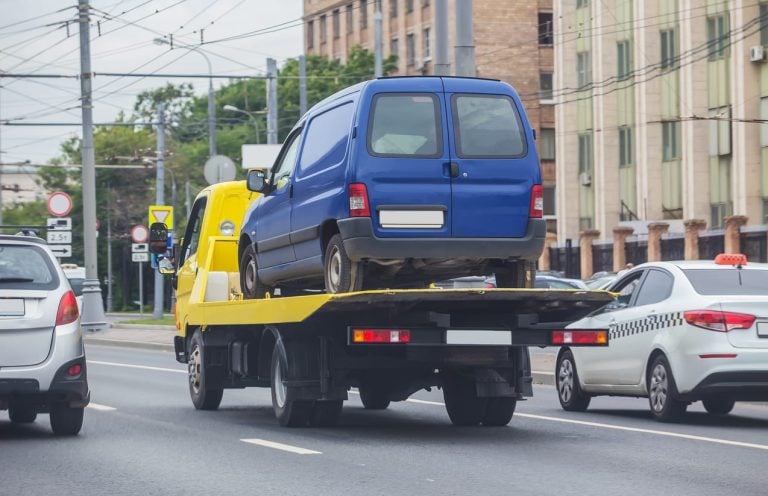
Austin Car Shipping Guide
Austin is one of the easiest metros in the country to ship a car into and one of the most awkward to ship out of a specific address in, and the reason for both is Interstate 35. The corridor gives carriers constant traffic through the city, which keeps assignment times short and rates competitive. It also runs straight through the middle of downtown, where a 75 foot hauler has nowhere to stop. Knowing which of those two facts applies to your move is most of the planning.
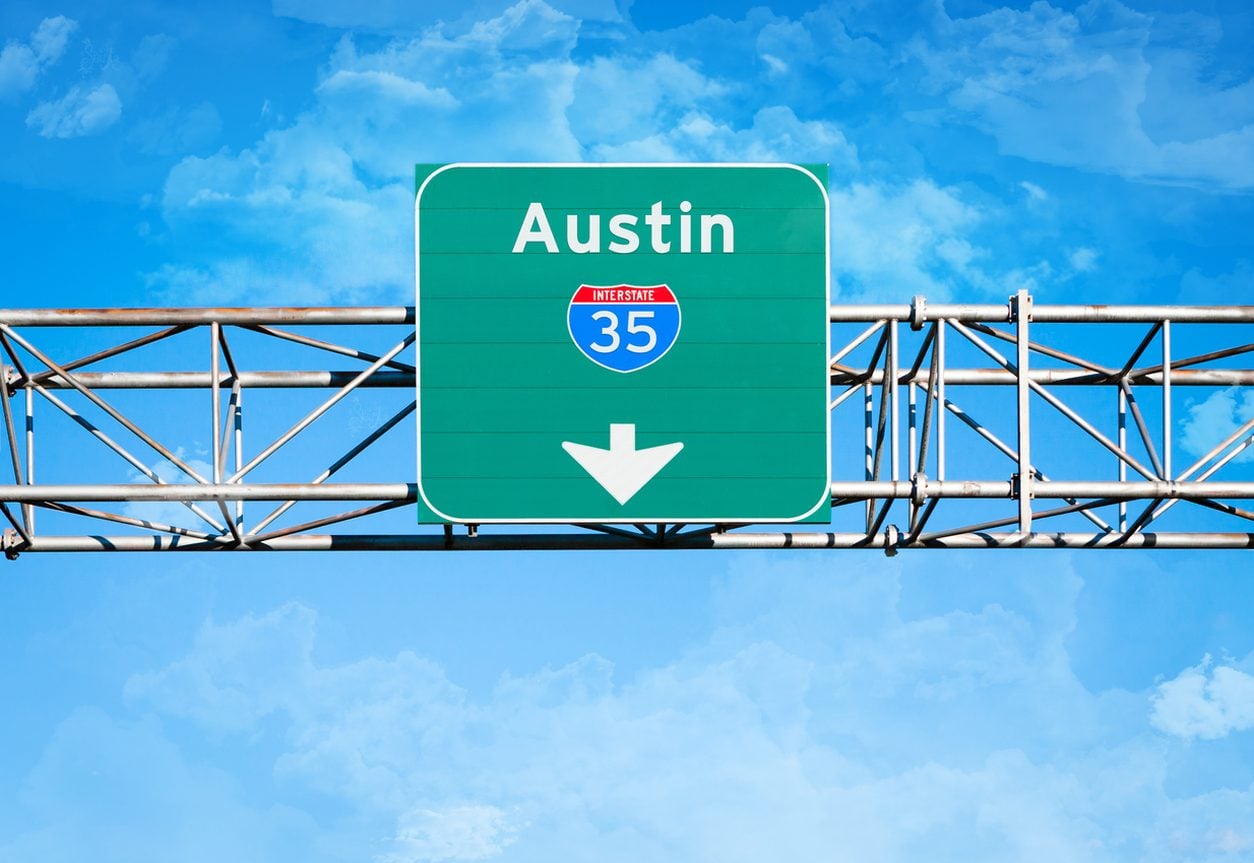
The I-35 Corridor Works in Your Favor
Austin sits on the main north to south freight route through Texas, between San Antonio and Dallas Fort Worth, and that has a direct effect on price and availability.
Carriers run this corridor constantly. A truck heading from the Midwest to South Texas, or from the West Coast to Florida, passes through or near Austin as a matter of routine, which means your car is being added to a route that already exists rather than creating one. That is what a good rate looks like from the carrier’s side.
The practical effect is that Austin pickups and deliveries are usually assigned within a few days on ordinary lanes. Compare that with a rural address well off the interstate, where a carrier has to justify the detour and you wait longer or pay more.
Where the Truck Can Actually Meet You
Austin is not Manhattan, and most of the metro is straightforward. Suburban addresses in Round Rock, Cedar Park, Pflugerville, Leander and the south and east sides generally take a full size hauler at the curb without difficulty.
Three parts of the area are the exceptions. Downtown and the near central neighborhoods have narrow streets, restricted parking and buildings with garage entrances a truck cannot use. West Austin and the hill country roads have tight turns, steep grades and low overhanging trees that will not clear a loaded upper deck. And gated communities frequently have entrances and internal roads a big rig cannot negotiate.

In any of those cases the answer is a meeting point, and in Austin that is easy. A large shopping center lot, a big box store parking area near a highway exit or a park and ride will all work. Agree it when you book, not when the driver calls from two blocks away.
Time It Around the Events
Austin has a small number of weeks each year when moving anything through the central city becomes genuinely difficult, and they are predictable.
South by Southwest in March, Austin City Limits across two October weekends and the Formula 1 race at Circuit of the Americas in the fall all close streets, fill lots and add hours to any route near downtown or the southeast side. University of Texas home football weekends do the same on a smaller scale.
None of that stops a shipment. It does mean that if your dates fall in one of those windows, you should plan on a meeting point well away from the center and give the driver a wider arrival window than usual.
Moving In From Another State
A large share of Austin car shipments are relocations, and there are two things to sort out on arrival.
Texas gives new residents 30 days to register a vehicle. Registration requires proof of insurance meeting Texas minimums, and vehicles registered in Travis County are subject to emissions testing as part of the state inspection program, so budget a little time for that rather than leaving it to day 29.
The other point is timing the car against yourself. Transit from California is typically a week to ten days, from the Northeast about the same, and from the Midwest less. Arrange the pickup so the car arrives after you do, not before, because a delivered car with nobody to receive it becomes a storage problem.
Summer Heat Is a Real Consideration
Austin summers run past 100 degrees for weeks at a time, and that affects a car in transit more than most people expect.
A vehicle on an open top deck sits in full sun for the whole trip. Interiors reach extreme temperatures, which is hard on dashboards, leather and anything left inside. Do not leave electronics, aerosols, medication or anything that can melt or burst in the car.
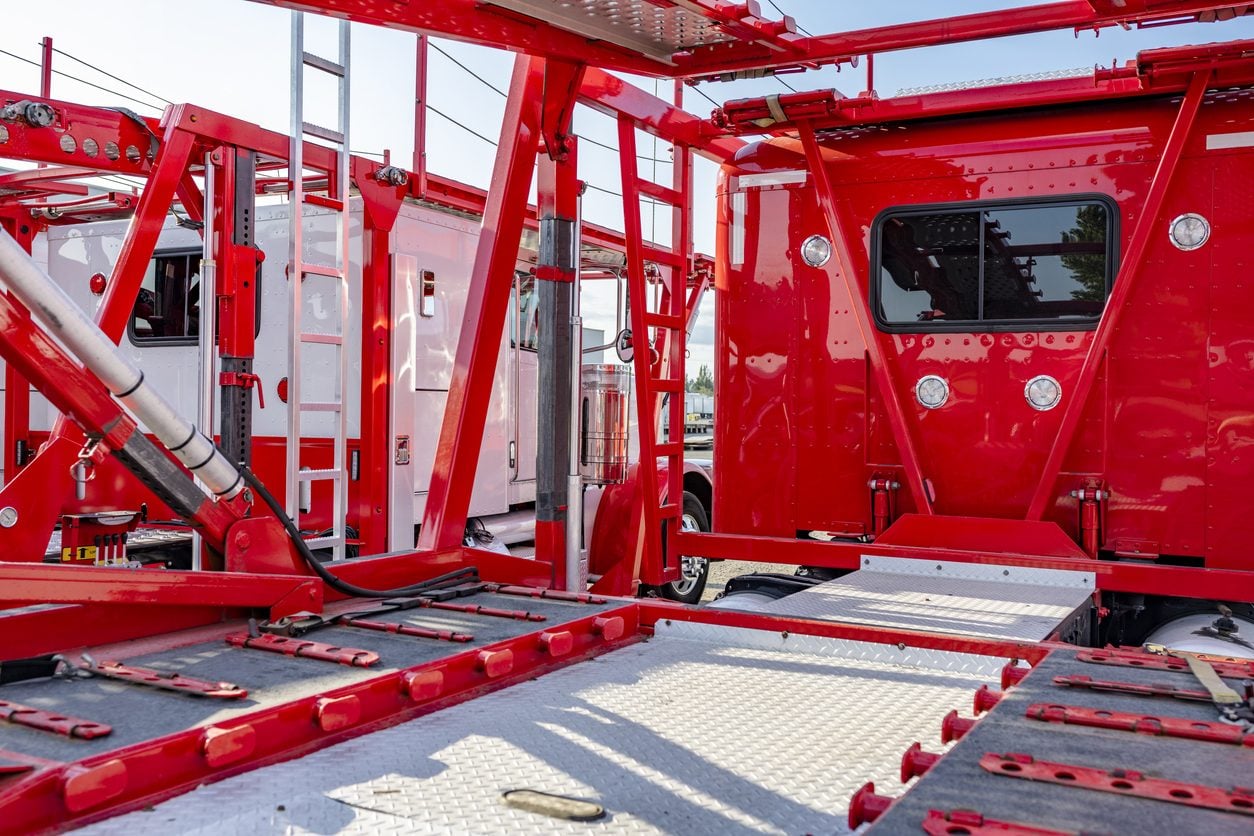
Check your tire pressures before the car ships, since heat raises them and an already high tire on a Texas summer run is worth avoiding. If the car is being collected after sitting in the sun, be aware that a hot battery and hot fluids are normal and not a sign of a fault.
Open or Enclosed
Open transport is right for almost every car moving in or out of Austin, and it is what the great majority use.
Enclosed earns its 20 to 30 percent premium on a collector car, a vehicle with fresh paintwork or a wrap, or anything low enough that open trailer ramps are a risk. It also keeps a car out of the sun and off the top deck in July, which is a more meaningful benefit here than in a milder climate. For the wider state picture, see our Texas car shipping page.
Preparing the Car
Wash it so existing marks are visible, then photograph every panel in daylight, including the wheels, the lower bumpers and the rocker panels, which are what loading marks.
Leave about a quarter tank of fuel. Empty the cabin and the trunk, since personal items are not covered by cargo insurance, they add weight and they shift in transit. Fold the mirrors, disable a motion sensitive alarm and hand over a key. If the car is lowered or has a front splitter, say so when you book so the driver brings the right ramps.
At delivery, inspect before signing. Compare against your photographs, check the lower bumpers, wheels and rocker panels first, and note anything unexpected on the bill of lading while the driver is still present.
Common Questions
How long does it take to ship a car to Austin? Roughly seven to ten days from California or the Northeast, and less from the Midwest, once the car is assigned and collected.
Can the truck come to my house? In most of the Austin suburbs, yes. Downtown, west Austin hill country roads and gated communities usually need a meeting point.
Why is Austin comparatively affordable to ship to? It sits on the I-35 corridor, so carriers pass through constantly and your car joins an existing route.
When should I avoid shipping? Nothing is impossible, but South by Southwest, the two Austin City Limits weekends and Formula 1 race week make central addresses difficult. Use a meeting point away from downtown.
How long do I have to register after moving? Texas allows new residents 30 days, and Travis County vehicles need emissions testing as part of the inspection.
Get a Quote
Call Ship A Car, Inc. at (866) 821-4555 with both zip codes and your date range, or price the move with the instant calculator.