
How to Ship a Car from Detroit to San Antonio
Detroit to San Antonio is about 1,400 miles on a well served route, and it is one of the more predictable lanes in the country to price. Carriers run the Midwest to Texas corridor constantly in both directions, so assignment is usually quick and rates are competitive. The two things worth planning around are winter at the Detroit end and heat at the San Antonio end.

The Route and What It Means
Carriers on this lane generally run Interstate 75 south out of Michigan and then pick up Interstate 65 or Interstate 55 toward the south, joining Interstate 35 in Texas for the last leg through Dallas and Austin into San Antonio. Some take the more westerly route through Interstate 70 and Interstate 44.
All of those are major freight corridors, which is the whole point: your car joins traffic that already exists rather than requiring a detour. Detroit is a large origin market and Texas is one of the biggest destination markets in the country, so the lane runs full in both directions.
The practical effect is that ordinary Detroit to San Antonio moves are usually assigned within a few days, and the price reflects a competitive market rather than a scarce one.
Transit Time
Plan on three to five days in transit once the vehicle is collected, plus a few days for a carrier to be assigned before that.
Treat the delivery date as a range rather than an appointment. Drivers work under federal hours of service limits, and a hauler making several pickups and deliveries along the way does not travel in a straight line. Arrange for the car to arrive after you do rather than before, because a vehicle delivered where nobody is waiting becomes a storage problem.
Winter at the Detroit End
From roughly December through March this is the constraint that actually moves schedules.

Snow and ice close Michigan and Ohio highways with little notice, and a loaded car hauler is among the first things to stop moving when conditions deteriorate. That is a delay rather than a risk, and it is not a sign anything has gone wrong.
Two practical points. First, build slack into a winter schedule and avoid booking a fixed delivery date you cannot move. Second, if the car has been sitting through a Michigan winter, make sure it starts reliably before pickup day. A carrier needs it to drive on and off the trailer, and a no-start at collection is the most common reason a scheduled pickup fails.
Road salt is worth mentioning too. A car coming out of Michigan in spring carries salt residue on the underside, and washing the underside properly before it ships is worth doing.
Heat at the San Antonio End
Texas summers are long and severe, and a car on an open upper deck sits in full sun for the whole trip.
Interior temperatures become extreme. Empty the cabin completely and remove anything that can melt, warp or burst: electronics, aerosols, medication and pressurized containers all belong out of the car. This matters more on this lane in July than almost any other consideration.
Check tire pressures before a summer move, since heat raises them, and confirm the coolant is at the right concentration. If the car is coming from a cool Michigan garage to a San Antonio August, that check is worth making.
Where the Truck Can Meet You
Both ends are generally straightforward, with the usual caveats.
Detroit and its suburbs take a full size hauler without difficulty in most areas. The exceptions are narrow older residential streets and anywhere with low overhead wires or mature trees.
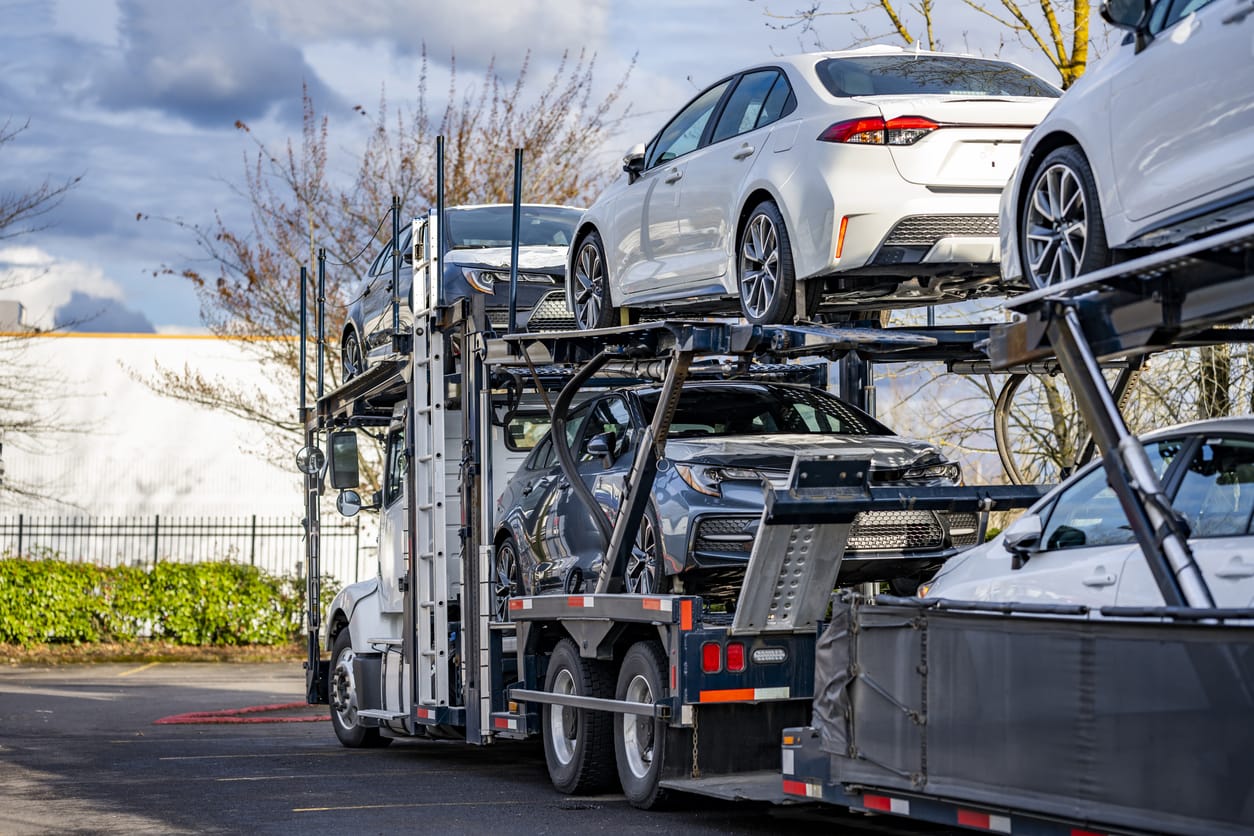
San Antonio is a sprawling city with wide roads and is generally easy, though gated communities and apartment complexes frequently restrict commercial vehicles regardless of whether there is room.
Where access is tight, a meeting point at a large retail lot near a highway exit is the normal answer and worth agreeing when you book rather than negotiating on the day.
Seasonal Pricing on This Lane
Summer is the busiest season across the whole industry, because the moving season and the school calendar collide, and prices firm up accordingly on every lane including this one.
Texas also sees its own inbound relocation demand, which keeps southbound traffic strong year round. The quietest and cheapest windows are usually late winter and mid autumn.
Give a range of pickup days rather than a single date. On a lane this well served, flexibility is worth more than negotiation. Our explanation of how the freight market sets what you pay covers why the number moves week to week.
Preparing the Car
Wash it so existing marks are visible, then photograph every panel in daylight, including the wheels, the lower bumpers and the rocker panels, which are what loading marks.
Leave about a quarter tank of fuel. Empty the cabin and the trunk, since personal items are not covered by cargo insurance and they add weight. Fold the mirrors, disable a motion sensitive alarm, remove a toll transponder and hand over a key.
At delivery, inspect before signing, compare against your photographs, and note anything unexpected on the bill of lading while the driver is still present.
Common Questions
How long does it take? Three to five days in transit once collected, plus a few days for a carrier to be assigned.
Why is this lane reasonably priced? Detroit is a large origin market and Texas a large destination market, so carriers run the corridor constantly in both directions.
What delays it most? Winter weather at the Michigan end between December and March.
Does summer heat matter? For the interior and anything left inside, yes. Empty the car completely and check tire pressures first.
How far ahead should I book? One to two weeks normally, three to four in summer or if your dates are fixed.
Get a Quote
Call Ship A Car, Inc. at (866) 821-4555 with both zip codes and your date range, or request an estimate for the move through the quote calculator.