How to Ship a GMC Sierra
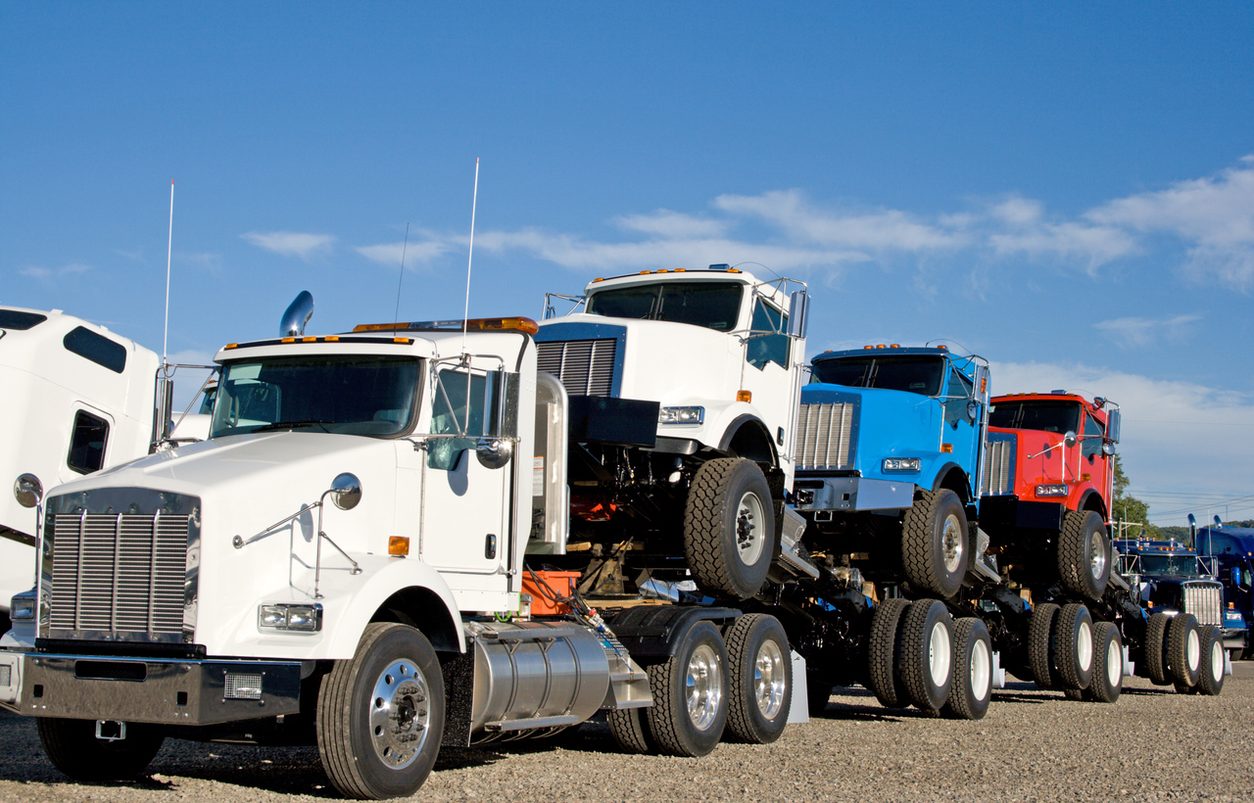
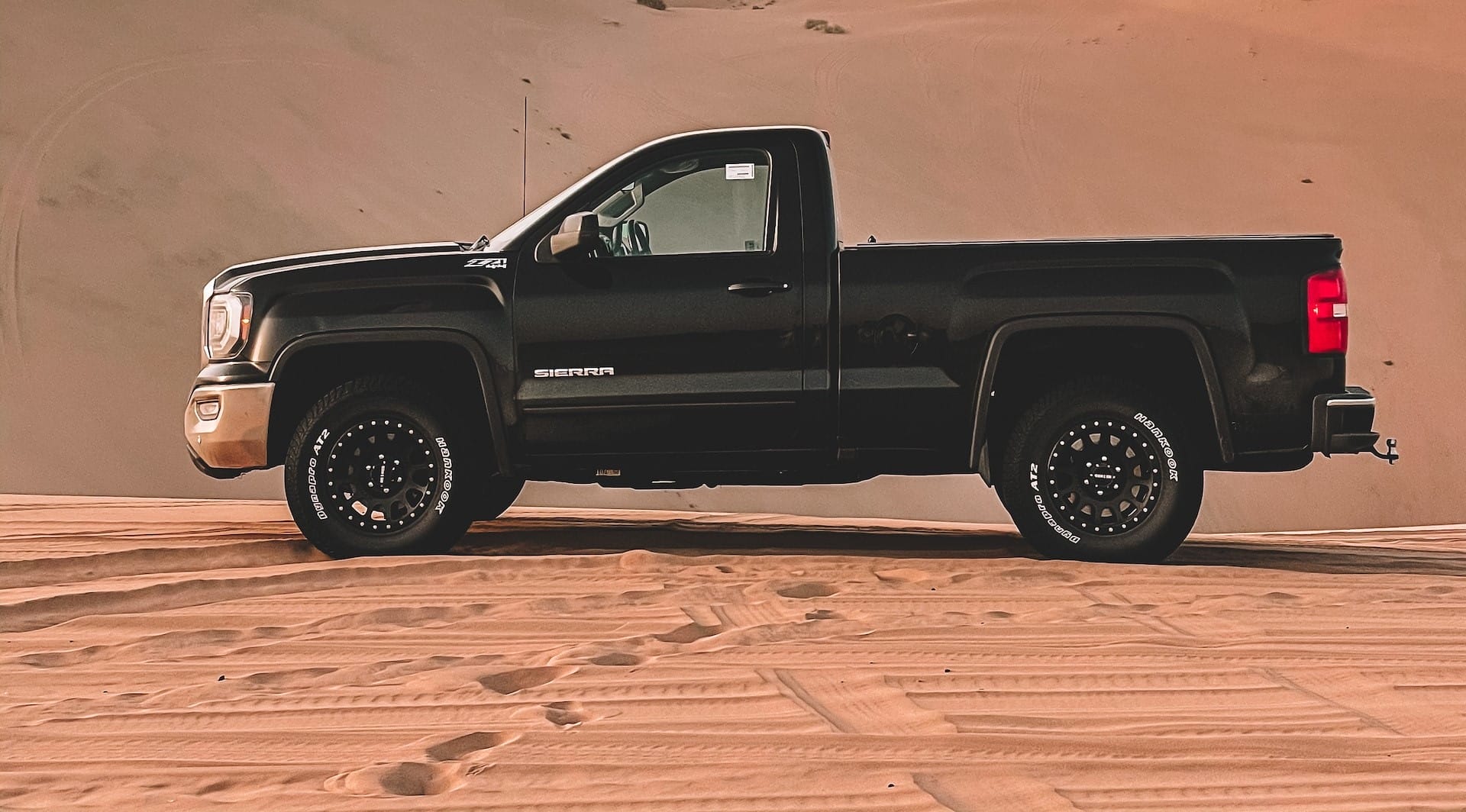
A Sierra costs more to ship than a sedan for one reason, and it is not the badge: it is deck space and payload. A crew cab full size pickup takes roughly the room of a car and a half and weighs half again as much, and on a lifted or long bed configuration it can also run into height limits on a two level trailer. Give the carrier the actual configuration and the price stops moving after you book.
Configuration Is the Whole Question
Sierra covers a wide range and the numbers differ substantially across it.
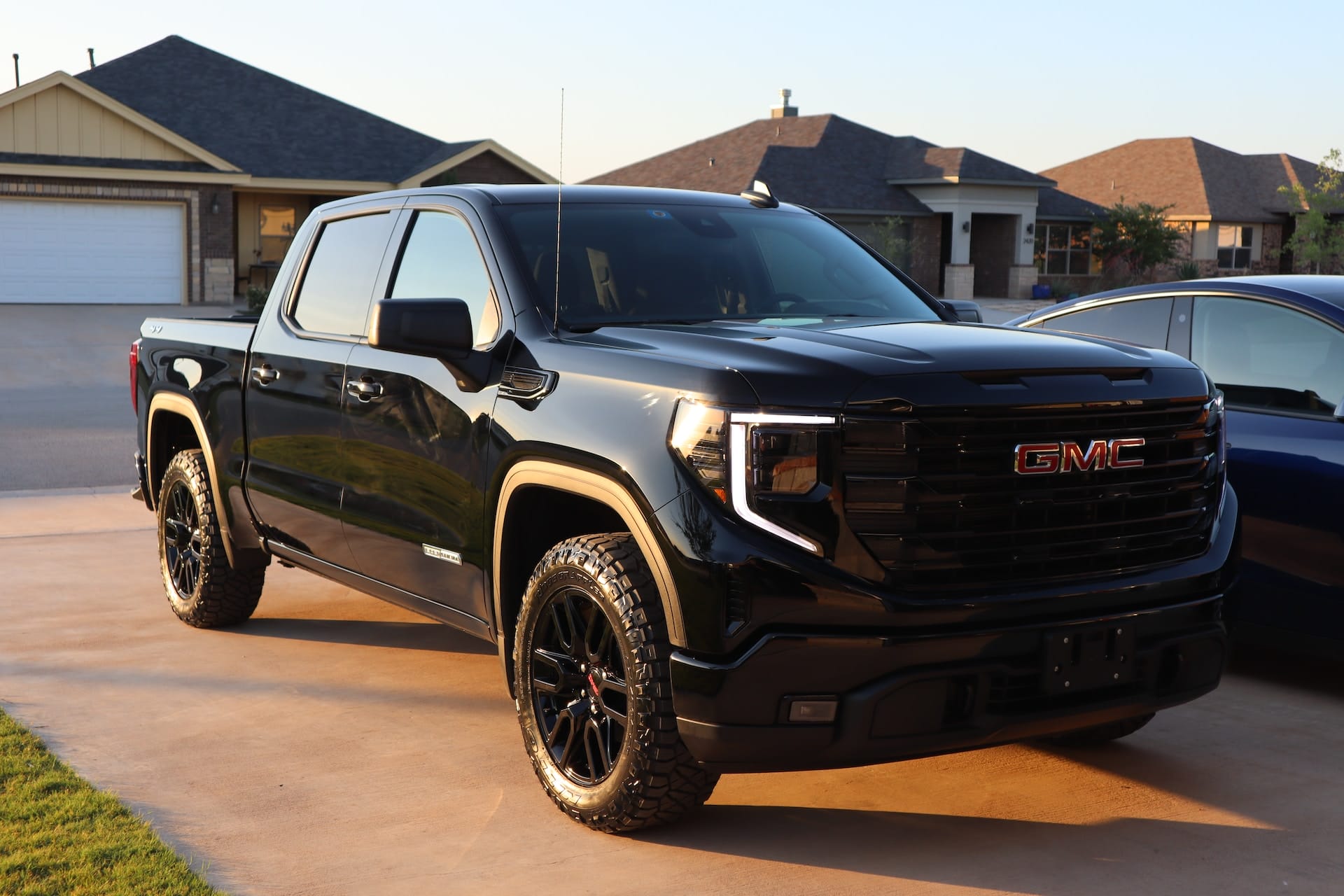
A regular cab short bed 1500 is a manageable vehicle. A crew cab standard bed 1500 is around 19 to 20 feet long and comfortably over 5,000 pounds. A 2500HD or 3500HD crew cab with the diesel is heavier again, and a dually adds width at the rear axle that matters when a carrier is positioning vehicles on a deck.
So the useful information is: model year, 1500 or HD, cab configuration, bed length, whether it is a dually, and whether it is two or four wheel drive. Those five facts let a carrier quote accurately the first time.
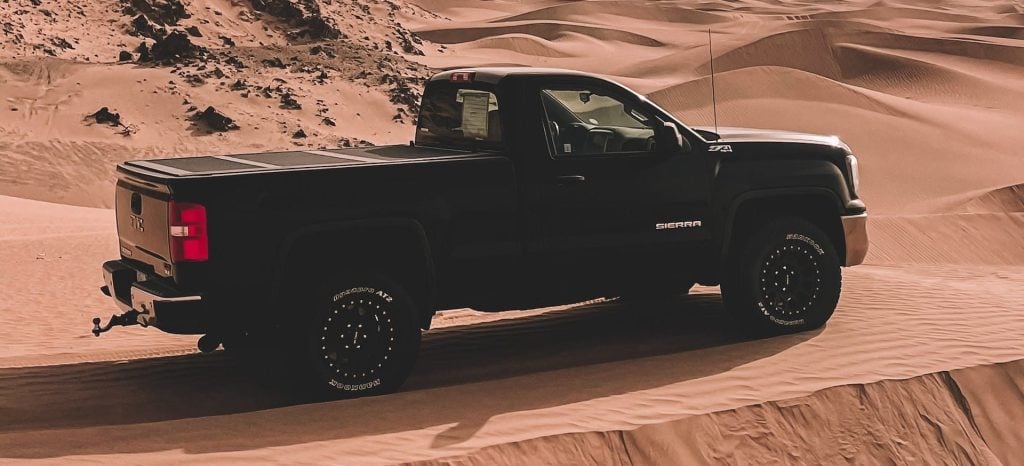
If it is lifted, say by how much. A lift plus larger tires can put the roof above what fits on an upper deck position, which changes where on the trailer it can travel and therefore what it costs.
What Changes the Price
Size and weight, as above. This is the main reason a Sierra prices above a mid size car on the same lane.
The lane. How much carrier traffic already runs your route matters more than mileage. Pickups also move heavily in certain corridors, particularly the South and Texas, which helps.
Modifications. A lift, oversized tires, a bed rack, a topper, a toolbox, a lightbar or a bull bar all change the dimensions. Some also change how the vehicle can be secured. Disclose them; a driver discovering a 6 inch lift on a driveway may not be able to load it.
Timing. A range of pickup days is worth real money, especially in summer.
Whether it runs. An inoperable truck needs a winch and a carrier equipped for it, and a heavy inoperable truck narrows the pool further.
Open or Enclosed
Open transport is right for almost every Sierra and it is what the overwhelming majority use.
Enclosed costs about a third more and is worth it in a narrow set of cases: a new truck being delivered to a buyer, a Denali with a paint finish you care about, a show or restored vehicle, or a heavily customized build where the accessories are the value.
One practical note: enclosed trailers have their own interior height limits, and a lifted truck that fits on an open deck may not fit inside an enclosed one. Ask before assuming enclosed is available for your configuration.
Preparing It
Wash it so existing marks are visible, then photograph every panel in daylight, including the wheels, the lower bumpers, the rocker panels and the bed. Photograph the odometer.
Empty the bed completely. This is the pickup-specific point: a truck bed is not storage during transport, anything left in it is uncovered by cargo insurance, and loose items move. Remove or securely lock a toolbox, and take out anything in it either way.
Leave about a quarter tank of fuel. Empty the cabin. Fold the mirrors, which on a full size truck makes a genuine difference to how it fits beside another vehicle. Retract or remove a bed cover if it is the roll-up type, and secure a hard tonneau.
Disable a motion sensitive alarm, remove a toll transponder, and check tire pressures and for leaks. On a four wheel drive, know whether the transfer case should be in a particular position for loading and tell the driver.
At Pickup and Delivery
Walk around the truck with the driver rather than handing over the keys. The condition report on the bill of lading is written at pickup and it is the document that settles a dispute.
At delivery, inspect before signing, in daylight if at all possible, and compare against your photographs. On a pickup, check the bed rails, the tailgate, the lower bodywork and the wheels first, because those are where loading contact happens.
Note anything unexpected on the paperwork while the driver is still present. If it arrives after dark or in heavy rain, write that a full inspection was not possible before signing. Our guide to what car shipping insurance actually covers explains the cargo policy.
If the truck is being delivered to a buyer rather than to you, agree in advance who inspects it and make clear that signing accepts the condition as recorded.
Transit Times
Once collected, plan on one to two days regionally, three to five across half the country, and five to seven coast to coast, plus a few days for a carrier to be assigned beforehand.
Treat a delivery date as a range rather than an appointment. Drivers work under federal hours of service limits and a hauler making several stops does not travel in a straight line.
Common Questions
Why does a Sierra cost more than a car? Deck space and payload. A crew cab takes the room of a car and a half and weighs considerably more.
What does the carrier need to know? Year, 1500 or HD, cab configuration, bed length, dually or not, and any lift or accessories.
Can a lifted truck be shipped? Yes, but disclose the lift. It affects which deck position works and whether an enclosed trailer will take it.
Can I put anything in the bed? No. Items in the bed are not covered, they move in transit and they can damage the truck.
Do I need enclosed transport? Only for a new delivery, a show truck or a customized build where the accessories are the value.
Get a Quote
Call Ship A Car, Inc. at (866) 821-4555 with both zip codes, the cab and bed configuration and any modifications, or request an estimate for the move through the quote calculator.