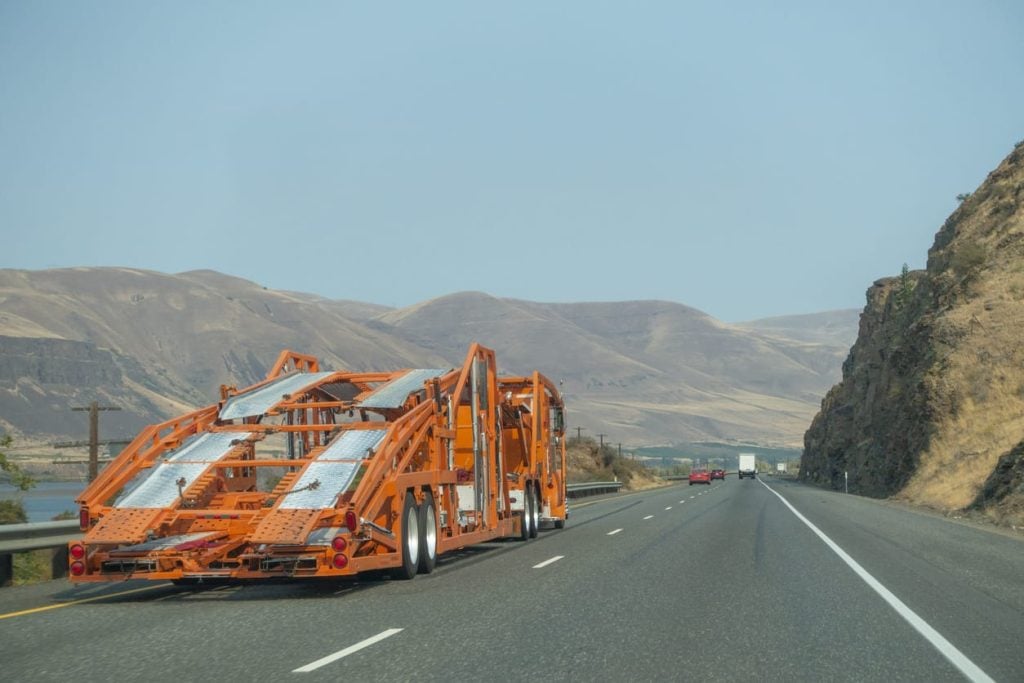
How Coronavirus Affected the Auto Transport Industry: What Changed, and What Stuck
The pandemic hit auto transport like it hit everything in 2020: suddenly, unevenly, and with effects nobody predicted well. Half a decade later, the industry it reshaped is the one you book with today, and several of the changes turned out to be permanent. This is a look back at what actually happened to carriers during COVID, and which of those changes still shape how vehicles ship in 2026.
Carriers Were Declared Essential, and Kept Rolling
When the Department of Homeland Security designated transportation an essential sector, car haulers stayed on the road while much of the economy paused. Food, supplies, and freight had to move, and the carrier network that moves vehicles moves alongside all of it. Drivers crossed regions with very different infection levels and very different rules, and the industry learned quickly how to operate through disruption. That resilience, honed in 2020, is part of why cross-country vehicle transport runs so dependably now: the network has been stress-tested by the hardest years in its history.
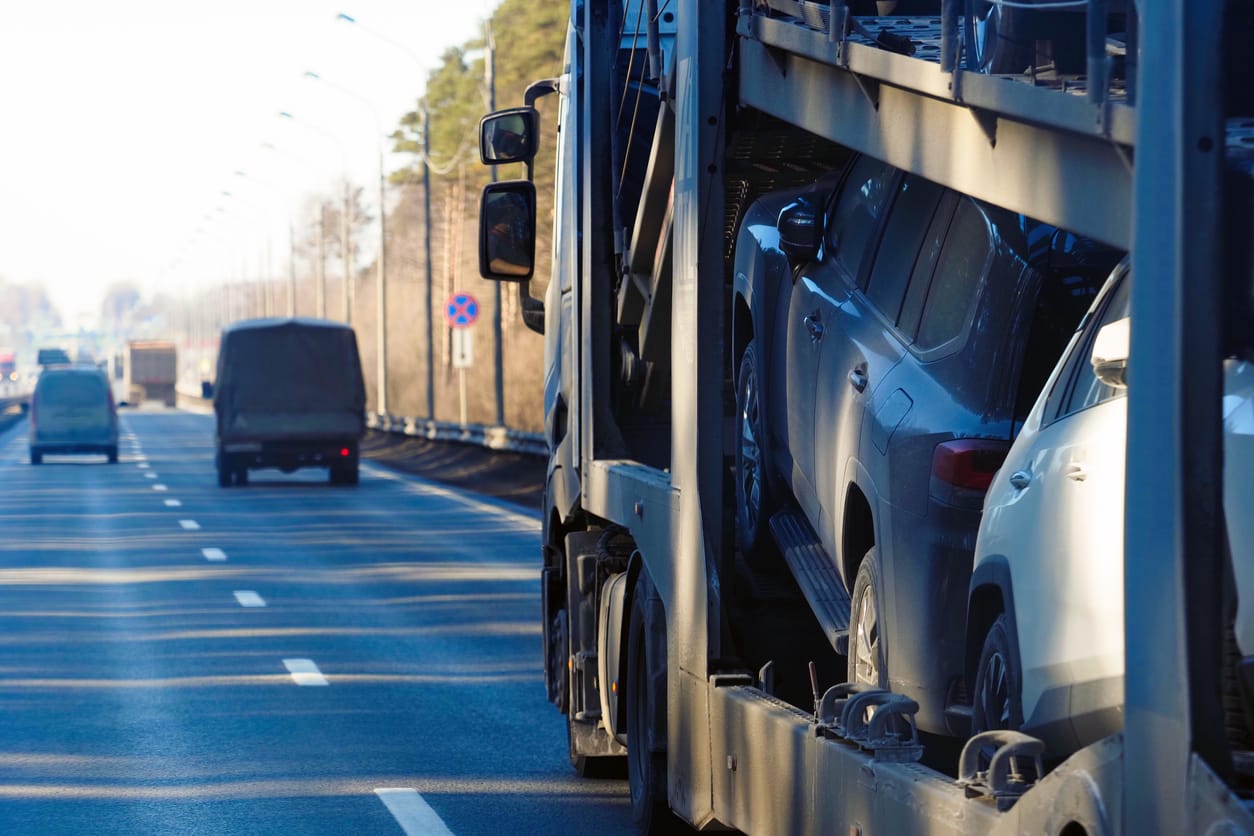
What Changed for Customers, Permanently
The pandemic forced process changes that outlived it because they were simply better:
- Low-contact pickups and deliveries. Distanced handoffs pushed the industry toward electronic bills of lading, photo-based condition documentation, and phone-first coordination. All of that stuck, and it made inspections better documented, not worse.
- Flexible scheduling as standard practice. When routes and volumes swung wildly, carriers and brokers built the rebooking muscle they still use for weather delays and schedule changes today.
- Booking ahead matters more. COVID taught everyone that carrier capacity is not infinite. The habit of booking one to four weeks ahead, formed when trucks were scarce, remains the best way to get the date you want.
What Happened to Drivers
Drivers spent the pandemic largely alone in a cab, which protected them day to day, but every fuel stop and handoff carried the exposure everyone else faced, and older drivers and those with health conditions carried more risk than most. The industry’s driver shortage, already real before 2020, deepened when some of them left and did not come back, and that supply picture still influences rates and pickup windows on some lanes today.
The Economic Whiplash
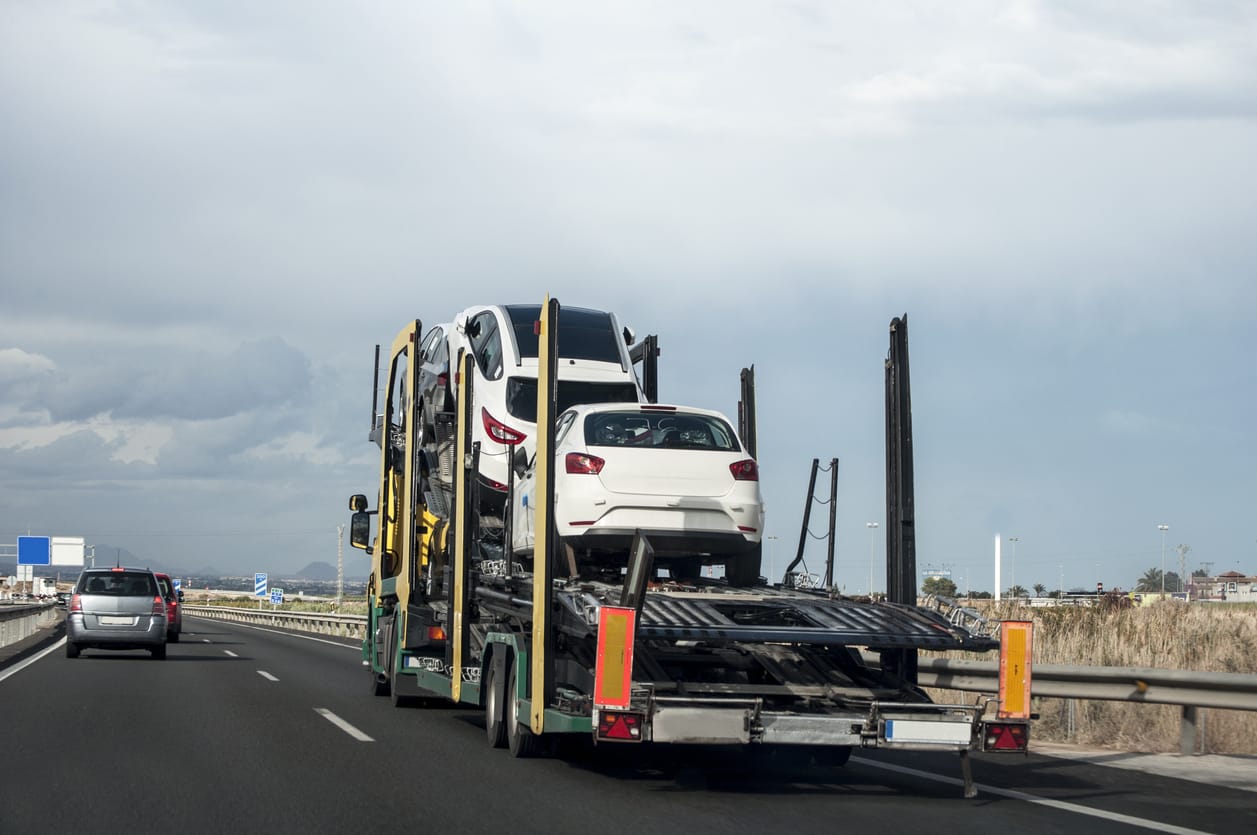
Early 2020 saw shipment volumes collapse as dealers closed and households froze plans, then demand snapped back harder than anyone forecast: used-car prices surged, relocations resumed all at once, and suddenly there were more vehicles needing trucks than trucks to carry them. Rates swung with each phase. It was the sharpest boom-bust-boom the carrier industry had seen since the 2008 recession, and it taught shippers a durable lesson: transport pricing moves with carrier supply and demand, which is why quotes are estimates until a carrier is dispatched, and why flexible dates help a carrier fit a car onto a truck.
The Industry That Came Out the Other Side
Auto transport in 2026 is faster-documented, more communicative, and more honest about capacity than the 2019 version, largely because the pandemic forced it to be. The companies that survived are the ones that kept customers informed through chaos, which is a decent filter for choosing one now.
Ship A Car, Inc. shipped vehicles straight through those years and has moved more than 50,000 since 2012, with an A+ BBB rating earned in the hard seasons as well as the easy ones.
Call an experienced Ship A Car, Inc. transport coordinator at 866-821-4555, or request an emailed estimate for your route from the quote calculator.