Is Shipping Your Car Greener Than Driving It?
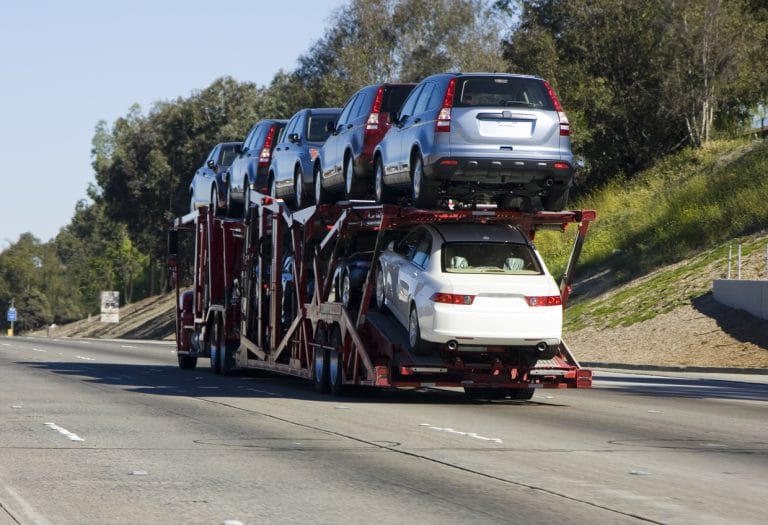
Usually, yes, and the reason is simple arithmetic. An open car carrier moves seven to ten vehicles at once on a single engine. Driving those same vehicles individually means seven to ten engines covering the same distance. Per vehicle-mile, the truck wins comfortably, which is why new cars reach dealerships this way rather than being driven one at a time.
The Comparison That Actually Applies
If you are moving cross-country and the alternative is driving your own car 2,800 miles, shipping it removes those miles from your vehicle entirely. The carrier is making that trip regardless, with or without your car on it. Adding one more vehicle to a truck that is already running the lane is close to the most efficient way that car can travel.

Where the comparison gets weaker is on short moves. Under a few hundred miles, driving it yourself may well be the lower-impact choice, particularly if the carrier would have to reposition to reach you.
What Genuinely Reduces the Footprint
- Ship open, not enclosed. Open carriers move more vehicles per trip, so the per-car share of fuel is lower. Enclosed transport exists to protect valuable cars, not to be efficient.
- Be flexible on dates. Flexibility lets your car be matched to a truck already running the route instead of prompting a repositioning trip.
- Use main corridors where you can. A pickup twenty minutes from an interstate is a shorter detour than one two hours into the countryside.
- Combine vehicles. Two cars on one carrier beats two separate arrangements.
What We Will Not Claim
We are a transport broker, not an emissions program. We do not run electric car carriers, and we are not going to tell you that shipping a vehicle is carbon neutral, because it is not. What we can say honestly is that consolidating vehicles onto a carrier is more efficient per car than driving each of them, and that choosing open transport with flexible dates is the lowest-impact way to use our service.
The freight industry is electrifying slowly, mostly on short regional routes where charging infrastructure exists. Long-haul car carriers are not there yet. When that changes, it will change for real rather than in marketing copy.
Running the Numbers Yourself
The comparison is simple enough to do on paper. A modern car averaging 30 mpg over a 2,800-mile cross-country drive burns roughly 93 gallons. An open car carrier gets somewhere in the region of 6 to 8 mpg but is moving seven to ten vehicles, so the fuel attributable to your car over the same distance is materially lower, on the order of 35 to 55 gallons depending on how full the truck is and how direct the route.
Two caveats keep this honest. The carrier’s route is rarely as direct as yours would be, because it collects and delivers other vehicles along the way. And you still have to travel yourself, usually by air, which carries its own footprint. The saving is real but it is not the whole story, and anyone presenting it as a clean win is selling something.
Where the Industry Actually Is on Emissions
Heavy-duty trucking is decarbonizing slowly and unevenly. Battery-electric tractors are in service on short regional routes where depot charging works, and they perform well there. Long-haul car carriers are a different problem: the weight of the battery cuts into payload, the routes are long and variable, and charging infrastructure for Class 8 vehicles barely exists outside a few corridors.
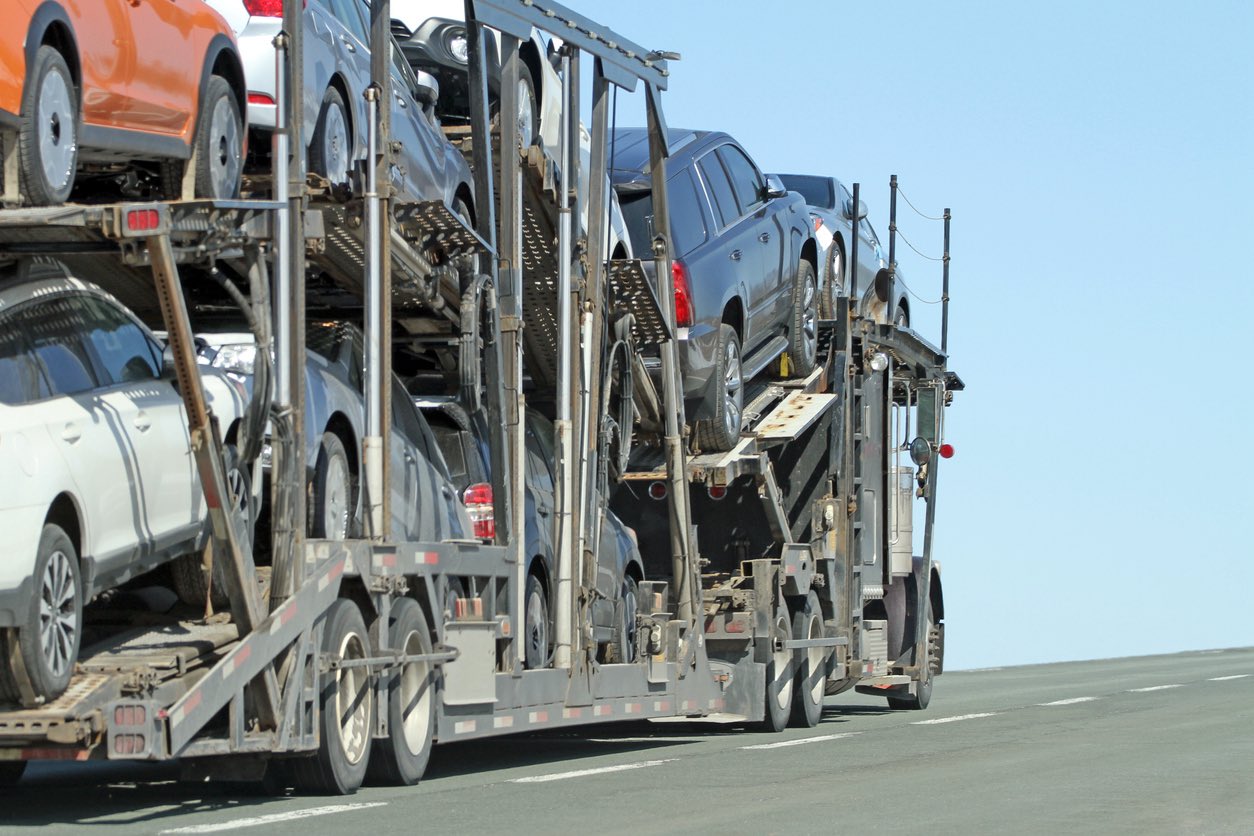
Meanwhile the incremental improvements matter more than they sound. Aerodynamic fairings, low-rolling-resistance tires, automated manual transmissions, and idle-reduction systems have all cut fuel burn per mile across the fleet over the past decade. That is unglamorous progress, but it is the progress that is actually happening.
Practical Choices That Reduce Impact
- Combine vehicles into one shipment. Two cars on one carrier rather than two separate arrangements.
- Accept a wider pickup window. Flexibility is what lets a shipment be matched to a truck already running the lane instead of prompting a repositioning trip.
- Meet the carrier near a main route if your address is well off the corridor. A twenty-minute drive on your part can save an hour of truck detour.
- Skip expedited service unless you genuinely need it. Expedited often means a dedicated or near-dedicated run, which is the least efficient way to move one car.
- Choose open over enclosed where the vehicle does not warrant protection. Enclosed carriers hold fewer cars.
Common Questions
Do you offset the emissions from shipments? No. We would rather tell you that plainly than sell an offset whose accounting we cannot verify.
Are there electric car carriers available? Not for long-haul vehicle transport at present. Some regional and drayage operations use them.
Is rail greener than truck? Per ton-mile, generally yes. It is used for manufacturer distribution at volume, but it is not practical for a single consumer vehicle, which still needs road transport at both ends.
Get a Quote
Call Ship A Car, Inc. at (866) 821-4555, or request an estimate for your move through the quote calculator.