Shipping a Car to a North Carolina College
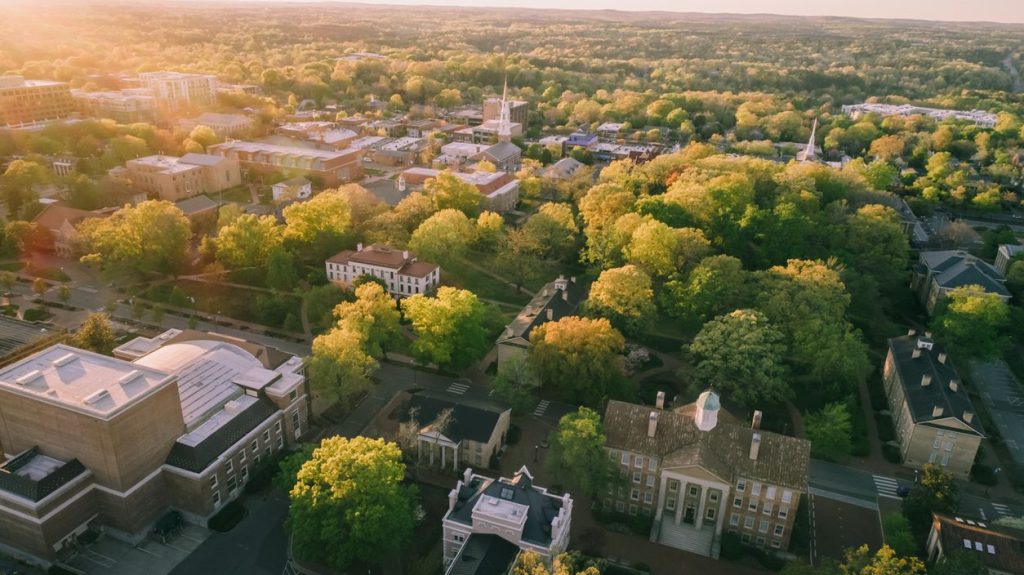
North Carolina has one of the largest concentrations of universities in the country, and the car shipping problem they create is almost entirely about two weeks in August. Move in compresses tens of thousands of arrivals into a few days, campus streets become impassable to a 75 foot truck, and carrier capacity into the state tightens at exactly the moment everybody needs it.
Plan around those two weeks and the rest is straightforward.
Check Whether the Car Is Allowed First
This is the step that gets skipped, and it is the one that wastes the most money.
Many universities restrict first year students from keeping cars on campus, or permit it only under specific conditions. Where parking is allowed, permits are frequently limited, allocated by lottery or seniority, and considerably more expensive than families expect. Some campuses distinguish between residential and commuter permits with quite different rules.
Check the specific institution’s current parking policy before you ship anything. If a permit is not available, a car arriving in Chapel Hill or Raleigh becomes a storage problem rather than a convenience, and storage costs more than the shipment did.
The August Problem
Move in dates cluster tightly, and the traffic they generate is national rather than local: students arrive from all over the country in the same week.
Book three to four weeks ahead for an August delivery. Two weeks is late and one week is expensive. The same applies in reverse in May, when the flow runs outbound and capacity tightens again on the routes north and west.
Aim to have the car arrive a few days after the student, not before. A vehicle delivered to a campus where nobody has arrived yet has nowhere to go, and the parking permit frequently is not active until enrollment is complete.
The Truck Cannot Come to the Dorm
Campus roads are the constraint, and during move in they are a genuine one.

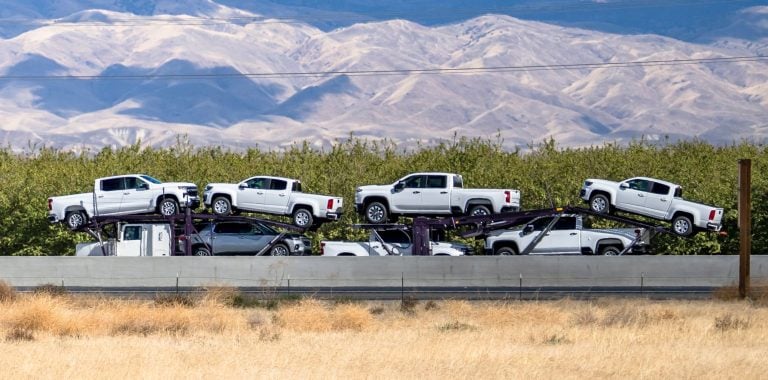
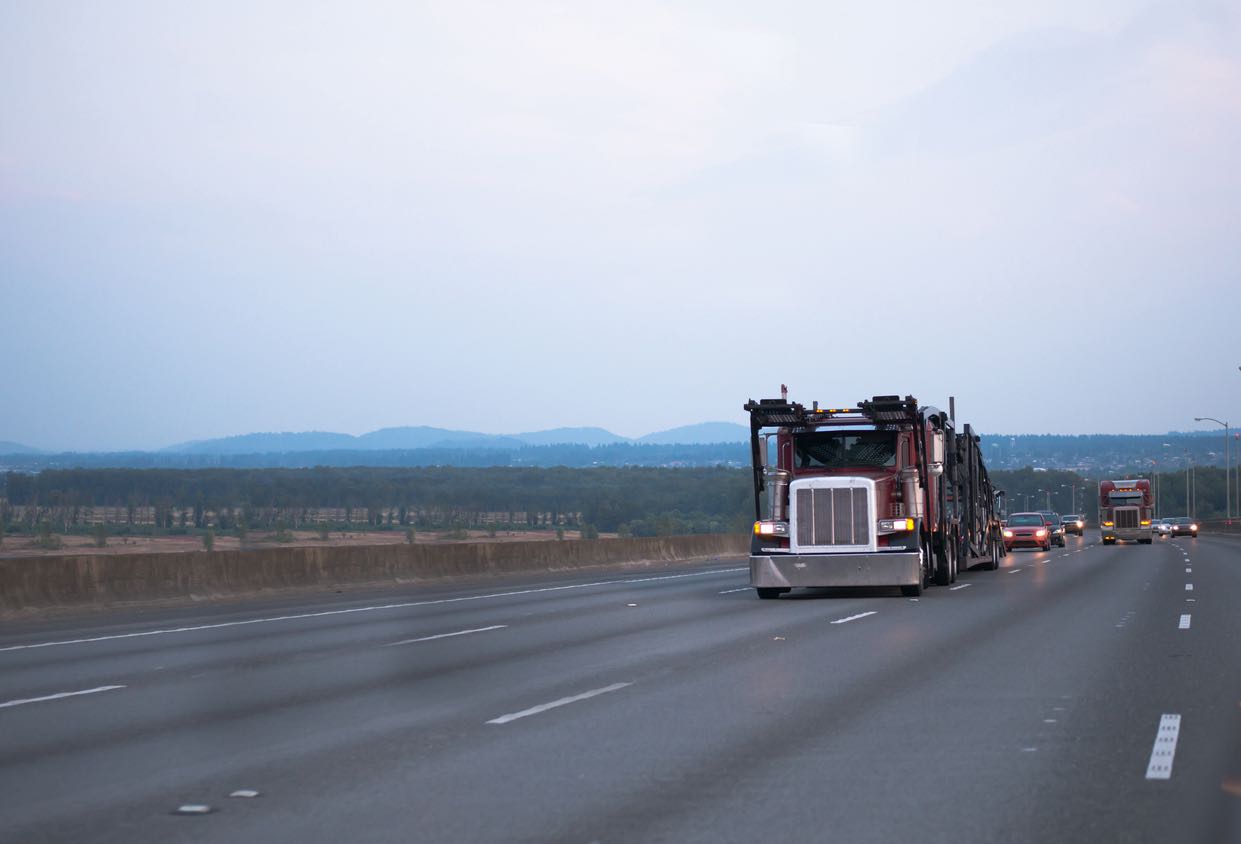
A loaded hauler is roughly 75 feet long and 13 feet 6 inches tall and cannot reverse around corners. Historic campuses have narrow streets, mature tree cover and low branches. During move in week, those same streets are full of family cars unloading, and many universities close roads or run one way systems for the duration.
The answer is a meeting point agreed at booking: a large retail lot near an interstate exit, or a mall parking area a short drive from campus. It is the normal arrangement for every college delivery and it avoids a failed drop off on the busiest week of the year.
Where the Universities Are
Routing is easy in most of the state. The Research Triangle covering Chapel Hill, Raleigh and Durham sits on Interstate 40 and Interstate 85. Charlotte is a major freight hub where Interstates 77 and 85 meet. Greensboro and Winston-Salem sit on the I-40 and I-85 corridor.
The exceptions are worth flagging. Boone in the mountains and Wilmington on the coast are both well off the main corridors, and deliveries there take longer to assign and cost more, because a carrier has to justify the detour for one vehicle. Build extra days in.
Whose Name Is on It
Two administrative points that cause problems more often than they should.
The person releasing the vehicle at pickup and the person receiving it at delivery both have to be named on the booking, with identification. If a parent is handing the car over in one state and a student is collecting it in North Carolina, say so when booking so the paperwork is right.
A student under 18 cannot normally sign for delivery. Nominate an adult, or arrange collection for a date when a parent can be present.

The Alternative Worth Considering
Before shipping at all, work out how much the car will actually be used.
A student in Chapel Hill or downtown Raleigh with a permit they may not get, a parking fee, insurance, maintenance and a vehicle that sits unused for weeks may be better served by a car that stays at home and comes down at a break. Shipping twice a year is frequently cheaper than a year of campus parking plus insurance in a new state.
That is not a reason to avoid shipping, and plenty of students genuinely need a car. It is a calculation worth doing once, in August of the first year, rather than assuming.
Preparing the Car
Wash it so existing marks show, then photograph every panel in daylight including the wheels, lower bumpers and rocker panels, and the odometer. Give the photographs to whoever is receiving the car so they can compare at delivery.
Leave about a quarter tank of fuel and empty the cabin and trunk completely. Personal items are not covered by cargo insurance, and the temptation to fill the car with dorm belongings is exactly what causes claims to be refused. Ship those separately.
Check that insurance is arranged for the car in North Carolina before it arrives, and look at whether the student’s coverage changes when the vehicle is garaged in a different state.
Our guide to shipping a car for college students covers the national picture, and the North Carolina car shipping page has the wider state detail.
Common Questions
When should I book for August? Three to four weeks ahead. Move in compresses national demand into a few days.
Can the truck deliver to the dorm? No. Campus streets cannot take a 75 foot hauler, and many are closed during move in. Agree a meeting point nearby.
Should the car arrive before the student? No. A few days after is better, since the parking permit is often not active until enrollment completes.
Can a student sign for delivery? Only if they are 18 or over and named on the booking. Otherwise nominate an adult.
Can we pack the car with dorm belongings? No. Personal items are not covered by cargo insurance and add weight.
Get a Quote
Call Ship A Car, Inc. at (866) 821-4555 with both zip codes, your date range and the campus, or price the move with the instant calculator.