Ship a Car from One City to Another, Simplified
You have three ways to get a car to another city: hire a professional auto transport company, pay a driver to drive it, or drive it yourself. For most moves, transport wins: as a general 2026 estimate, shipping runs about $1.50 to $2.05 per mile on shorter city-to-city runs and down to about $1.00 to $1.30 per mile around the 1,000 mile mark, which lands close to the true cost of driving once you count fuel, lodging, time, and the miles you are not putting on the car. Here is how the three options compare and how to book the shipping route well.
Options for Shipping a Car to Another City
If you need to move your car to a new city, there are three main options you have at your disposal:
- Enlisting the services of a professional auto shipping company
- Paying a single driver (professional or otherwise) to drive the car to its new location
- Driving the vehicle to its destination yourself
Each of these three choices has pros and cons, so let’s take a moment to explain each in more detail.
Using a Professional Shipping Service
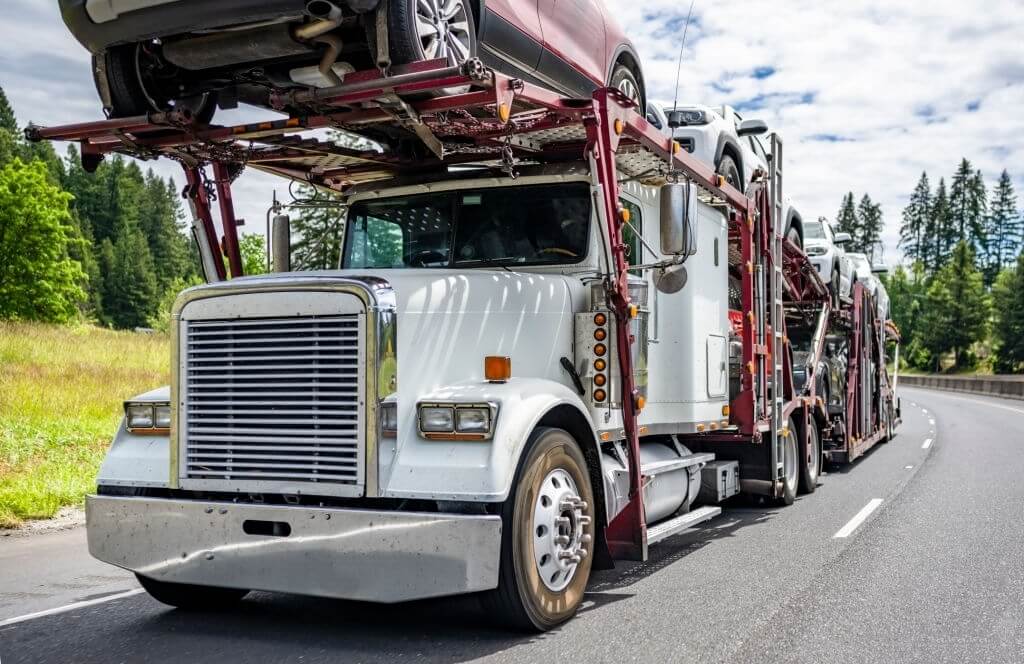
This is usually the best choice, and it is simpler than most people expect. Your car rides on a carrier truck, secured and covered by the carrier’s cargo insurance, with an inspection documented at pickup and delivery.
The car arrives with no added miles, no wear, and no one else’s driving habits on it. You get a pickup window, your driver’s direct phone number, and door-to-door service at both ends.
The sticker price can look higher than driving, but the honest comparison includes what driving really costs: fuel, meals, lodging on longer runs, depreciation, and a day or more of your time. On most routes, the gap nearly closes.

Hiring a Driver
Alternatively, you can hire an individual driver to drive the car to its new city.
This is a middle path, and it carries the most risk of the three. The car takes the full mileage and wear of the trip, your personal auto policy (not commercial cargo insurance) is what covers an incident, and you are trusting one person rather than a licensed, insured operation.
An individual driver can quote less than a transport company, but the price difference rarely covers the added risk and the added miles.

Driving the Car Yourself
Driving yourself appeals to anyone eager to save money or keep the car in their own hands.
It can be the cheapest option on a short hop between nearby cities. On longer distances the math turns: every mile adds wear and depreciation, any damage along the way is entirely yours, and a 1,000 mile drive costs a full weekend plus fuel and a hotel night.
A good rule: drive yourself under a few hundred miles if you enjoy the trip, and ship anything beyond that.
Advantages of Using a Professional Shipping Service
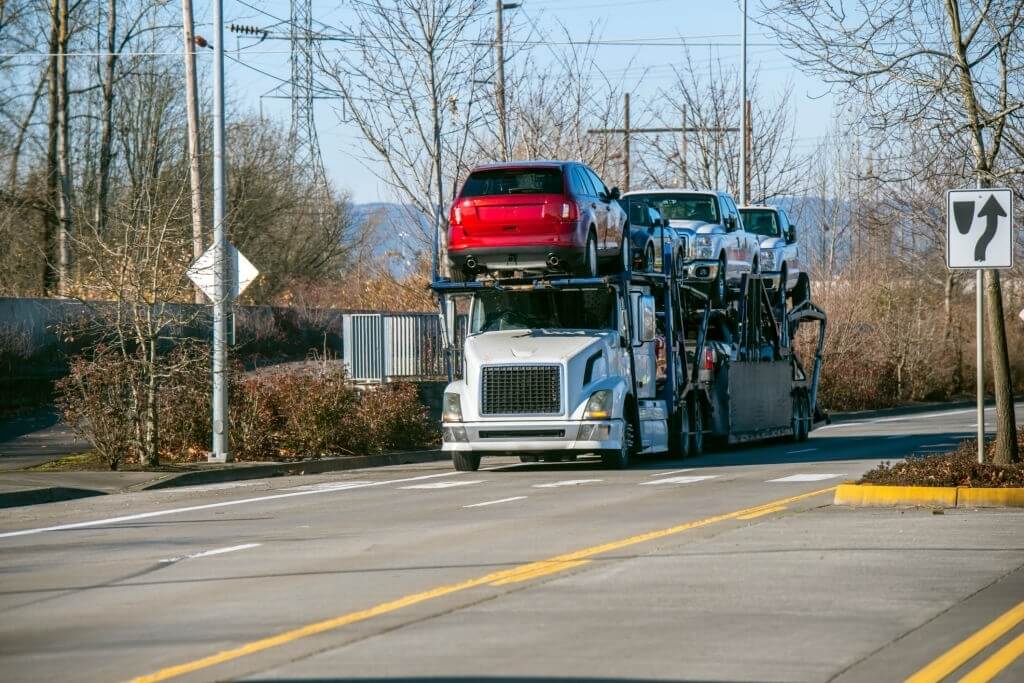
There are a few advantages of using a professional, licensed transport company that immediately make it an attractive route:
- Less risk. Your car is professionally secured, covered by carrier cargo insurance, and inspected against a bill of lading at both ends, and it takes zero road miles along the way.
- Little work is required. Beyond an hour of preparation and two inspections, the shipment runs itself while you fly or drive ahead.
- Professional quality. Licensed companies operate under FMCSA regulations, and you can verify any broker or carrier’s USDOT and MC numbers before you book (Ship A Car, Inc. is USDOT 2303542, MC 784930).
Estimating the Cost of Transporting the Car
Distance is the biggest variable: the total grows with mileage while the per-mile rate falls. As 2026 estimates for open transport, short city-to-city runs of 200 to 500 miles commonly total $400 to $950, and moves around 1,000 miles land near $1,000 to $1,300. The figures above are planning estimates. Our order book records where a car was picked up and delivered but not the mileage, so we cannot band by distance. What it does show is the overall shape: across 3,595 single vehicle car moves since 2023 the middle half ran $900 to $1,550.
Vehicle size, season, and running condition move the number inside those bands, and enclosed transport adds about a third for vehicles that warrant it.
To get an accurate price estimate for your exact route and vehicle, use the online auto transport calculator or contact the shipping company directly.

Tips for Shipping Your Car to a New City
If you’re unsure what steps should be taken before shipping your car, feel free to use this guide as a quick pre-transport checklist:
- Check the tire pressure. Properly inflated tires load and unload safely, and a pre-shipping check gives you a baseline to confirm at delivery.
- Wash the vehicle. A clean car makes the pickup inspection accurate, so any transit damage is obvious rather than arguable.
- Empty the car. Personal items are not covered by cargo insurance and can shift in transit, so take out everything except the spare, jack, and mats.
- Read reviews. Reviews across the BBB, Google, and Transport Reviews show how a company behaves when something goes wrong, which matters more than its best day.
- Double-check your budget. Know the full figure and the payment method before pickup day, and remember a legitimate company charges nothing until a carrier is confirmed.

Final Thoughts
Moving a car between cities comes down to matching the method to the distance: drive the short hops you would enjoy anyway, and ship anything long enough to cost you a weekend. Professional transport delivers the car unworn, insured, and documented, usually for close to what the drive would really have cost.
If you need more help or information in transporting your car or other equipment, look no further than Ship a Car. Price your route with the instant calculator or simply give us a call at (866) 821-4555!