Detailing Your Car Before You Ship It
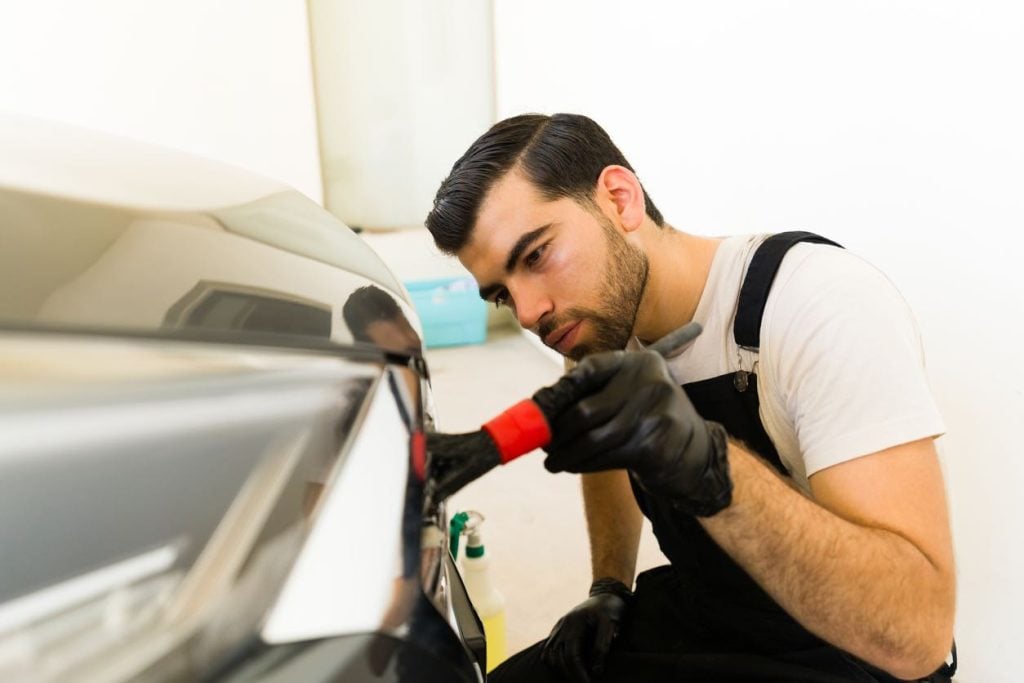
Washing a car before transport is not about presentation; it is about evidence. A clean car shows every existing mark clearly, which is exactly what you want recorded on the bill of lading before the vehicle leaves. Dirt hides scratches, and a scratch nobody documented at pickup is a scratch you cannot prove was there.
Wash It Properly, in the Right Order
Work top to bottom, so dirt runs down onto panels you have not cleaned yet rather than the reverse.
Rinse first to lift the loose grit, because that grit is what puts swirl marks in paint when a mitt drags it across the surface. Use a proper car shampoo rather than dish soap, which strips wax and dries out rubber and trim.
Two buckets is the single technique that makes the biggest difference: one with shampoo, one with clean water to rinse the mitt between panels. It keeps the grit out of the wash and off your paint.
Do the wheels last with a separate mitt. Brake dust is abrasive and contaminated, and moving it onto bodywork is how people put fine scratches into a car while cleaning it.
What Matters Specifically Before Transport
Three things beyond an ordinary wash.
Clean the lower bumpers, the rocker panels and the wheel faces particularly well, because those are the areas that pick up marks during loading and they are what you and the driver will be inspecting.
Clean the underside if the vehicle is going anywhere with an agricultural inspection, which includes Hawaii, Alaska and Puerto Rico. Soil and plant material in the undercarriage can get a vehicle held at a port, and that means a wash, a resubmission and a missed sailing.
And dry it properly rather than letting it air dry, because water spots on a car being photographed for condition records make the images harder to read.
Decontamination, If the Paint Feels Rough
Run a hand over the paint after washing. If it feels gritty rather than smooth, the surface is contaminated and wax applied over it will sit on the contamination rather than the paint.
Two steps fix it. An iron remover dissolves the embedded brake and rail dust that shows up as tiny orange specks, particularly on white cars and around the rear arches. It is sprayed on, changes color as it works, and rinses off.
A clay bar or clay mitt then lifts whatever is left mechanically. It is slow and it needs plenty of lubricant, but it is the difference between paint that feels like glass and paint that feels like fine sandpaper.
This is worth doing before a long move on a car you care about, because contamination that sits under road film for a week bonds harder and is more work to remove later. It is not worth doing on an ordinary daily driver heading a few hundred miles.
Photograph It While It Is Clean
This is the step that actually protects you, and the wash exists to make it work.
Photograph every panel in daylight, straight on rather than at an angle. Include the wheels, the lower bumpers, the rocker panels, the roof and the glass. Photograph the odometer, and any existing damage in close-up with something for scale.
On paintwork you care about, take a set in raking light, where the sun is low and across the panel rather than behind you. That is how you see swirls, sanding marks and existing defects that direct light hides completely.
Keep the set with timestamps intact. At delivery you compare against it, and if there is a dispute those images are what settle it.
The Interior
Empty it completely first, including the glovebox, door pockets, the trunk and the front trunk on an electric vehicle. Personal items are not covered by cargo insurance and they move around in transit.
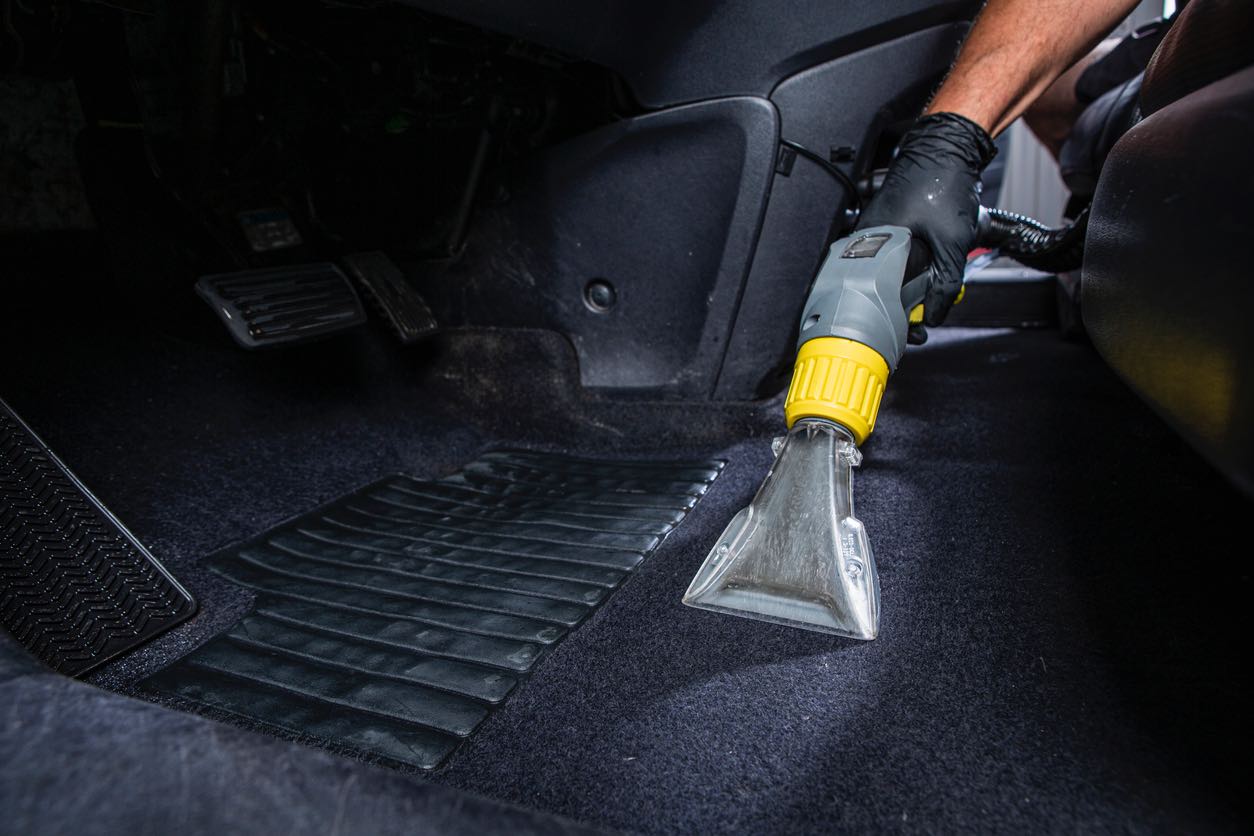
Vacuum properly, wipe down hard surfaces with an interior cleaner rather than a household product, and clean the inside of the glass, which is what makes a car feel clean.
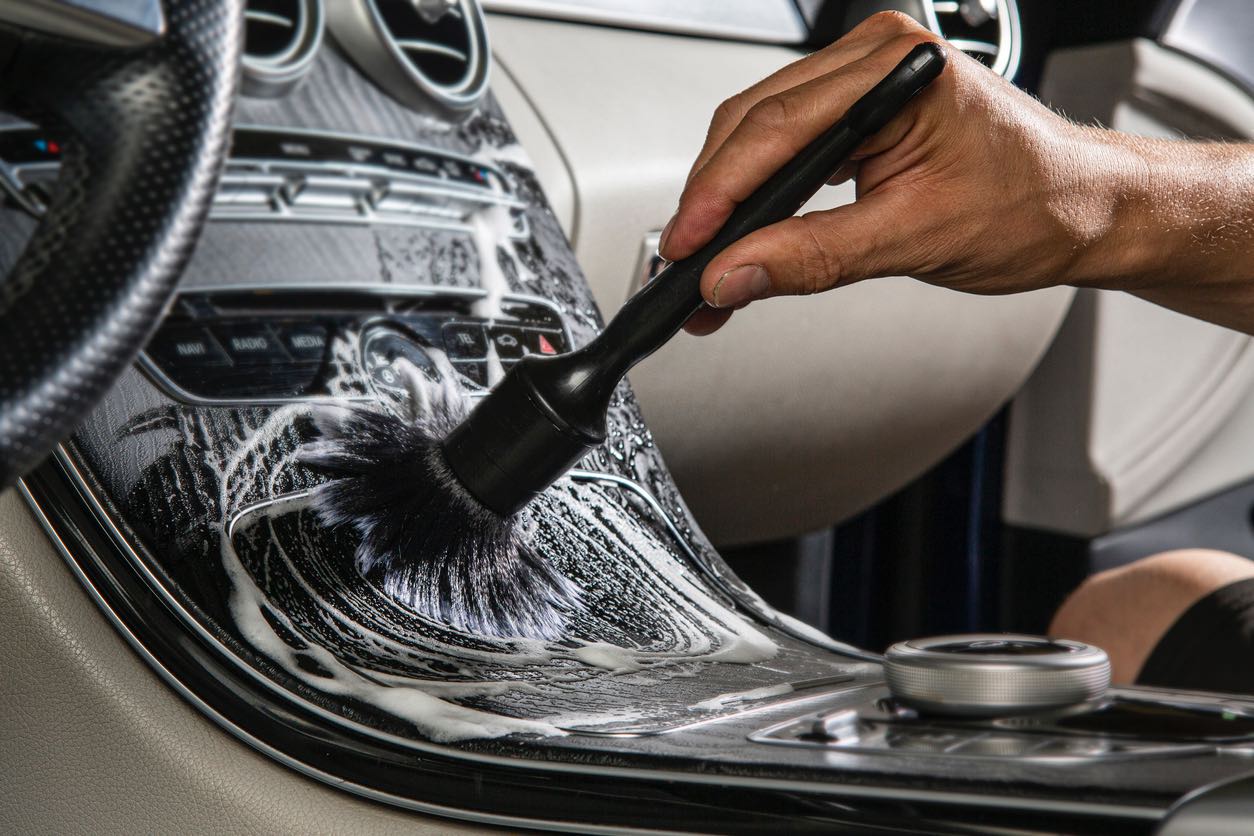
Leather and vinyl want a dedicated conditioner rather than a shiny dressing, particularly if the car is heading somewhere hot and will sit in sun at the other end.
Protection Before a Long Trip
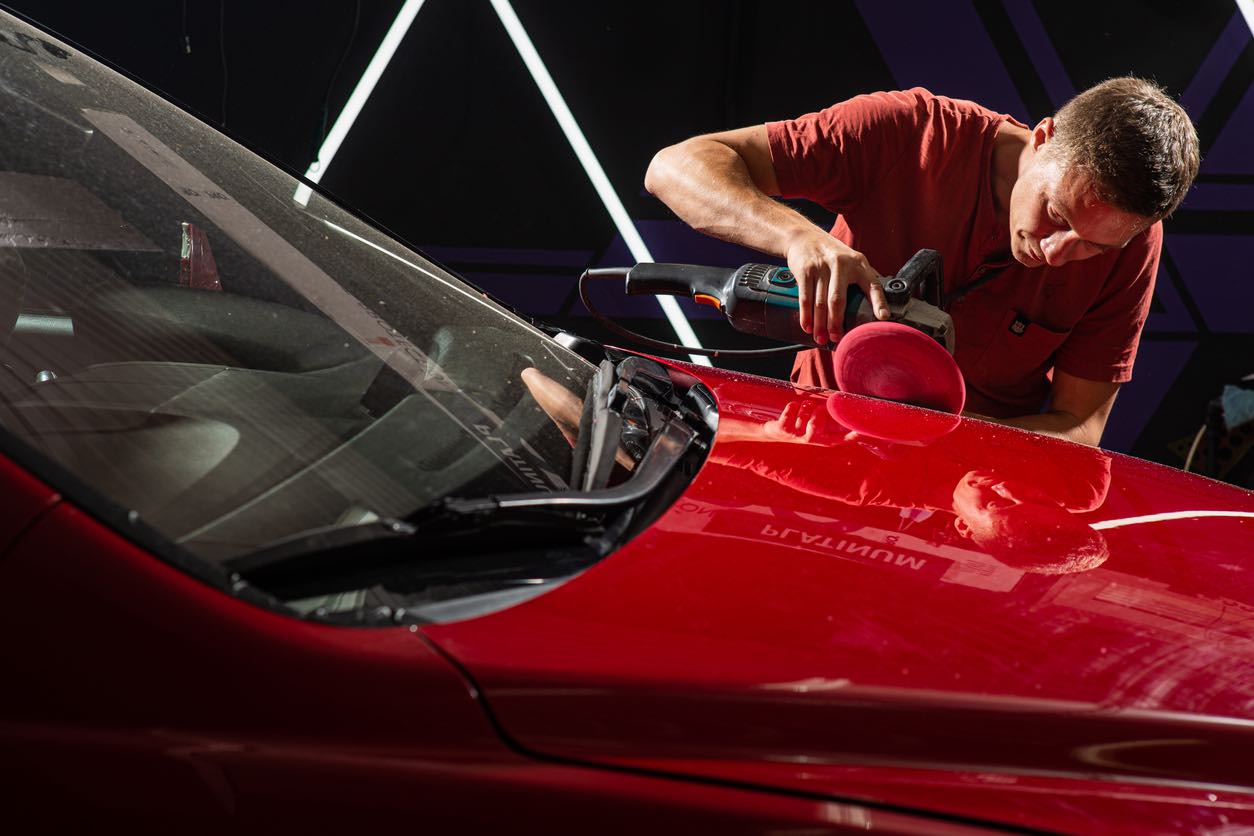
A coat of wax or a synthetic sealant before an open transport move is worth the hour it takes.
It will not stop a stone chip, and anybody claiming otherwise is selling something. What it does is give road film, bug residue and rain something to sit on other than bare clear coat, and it makes the car far easier to clean at the other end.
For a genuinely valuable car, the better answer is enclosed transport rather than a better wax. Our guide to shipping a car with low ground clearance covers when that matters most.
What Not to Do
Do not apply a fresh ceramic coating immediately before transport. Most need curing time and a period of avoiding contamination, and a trailer is not that.
Do not use dish soap, do not wash in direct sun, which causes spotting, and do not dress the tires with a slippery product right before loading, since a driver has to walk around and work near them.
And do not skip the photographs because the car looks perfect. A clean car with no photographs is worse evidence than a dirty one with a full set.
Common Questions
Why wash before shipping? So existing marks are visible and can be recorded on the bill of lading. Dirt hides damage, and undocumented damage is unprovable.
Does the underside matter? For Hawaii, Alaska and Puerto Rico, yes. Agricultural inspection applies and soil can get a vehicle held at the port.
Should I wax it first? It is worth an hour before an open transport move. It will not prevent chips but it makes cleanup easier at the other end.
Can I apply a ceramic coating first? No. Most need curing time and protection from contamination, which a trailer cannot provide.
What photographs do I actually need? Every panel in daylight, wheels, lower bumpers, rocker panels, odometer, and existing damage in close-up.
Get a Quote
Call Ship A Car, Inc. at (866) 821-4555 with both zip codes and the year, make and model, or request an estimate for the move through the quote calculator.