How to Sell a Used Truck and Trailer: Pricing, Paperwork and Getting It to the Buyer
Selling a used truck or trailer is a different job from selling a car, because the buyer is running a business. They are pricing your equipment against its remaining working life: hours and miles, maintenance records, tires and brakes, and how fast it can be earning on their routes instead of sitting in your yard.
Here is how to prepare, price and close the sale, and how the equipment actually gets to a buyer three states away, which is where more of these deals happen than most sellers expect.

Prepare Like the Buyer Is a Fleet Manager
Gather the records first. Maintenance history is the single strongest price support a used truck has. Oil analysis, inspection reports, work orders on the big-ticket items (engine, transmission, clutch, brakes), and DPF or emissions work on newer tractors. A binder of records sells; a shrug discounts.
Fix what is cheap, disclose what is not. Lights, air leaks, glass chips and worn mud flaps are pennies against the impression they create at inspection. A tired clutch or an injector on its way out is not worth hiding: commercial buyers inspect, and a discovered problem kills trust along with the price. Priced-in honesty closes deals.
Detail matters even on iron. A washed frame, a swept-out box and an aired-up, matched set of tires photograph better and inspect better. Buyers read housekeeping as a proxy for maintenance, because it usually is one.
Pricing the Rig
Commercial equipment prices on comparables, and the comparables are public: the national truck and trailer listing sites, auction results where you can see them, and dealer asking prices for your model, year, mileage band and spec. Spec moves money more than sellers expect: engine make, transmission type, sleeper size, axle ratios on tractors; length, door type, floor condition and axle count on trailers. Price the truck and trailer separately even when selling together: the buyer pool for a tractor is not the buyer pool for a reefer, and a combined price hides value from both.
Season matters at the margin. Freight upcycles lift used equipment prices; the weeks before produce season lift trailers in particular. You cannot time the market from one sale, but if the choice is December or March, March usually pays better.

The Paperwork That Closes It
Title, free of liens or with a payoff letter and a clear process for releasing it. A bill of sale stating price, date, VIN or serial numbers, and sold-as-is terms. Current registration and, for trucks in service, the maintenance and inspection records the regulations already required you to keep. If the sale crosses state lines, the buyer handles their own registration and taxes at their end, but they will want a clean title chain from you to do it, and a lien that takes three weeks to release is a deal that dies twice.
Payment discipline is the same as any large private sale: verified funds before the equipment moves, no exceptions, and a written agreement on exactly when possession transfers.
Getting It to the Buyer
Distance sales are normal in this market, and delivery is a solvable problem with three standard shapes.
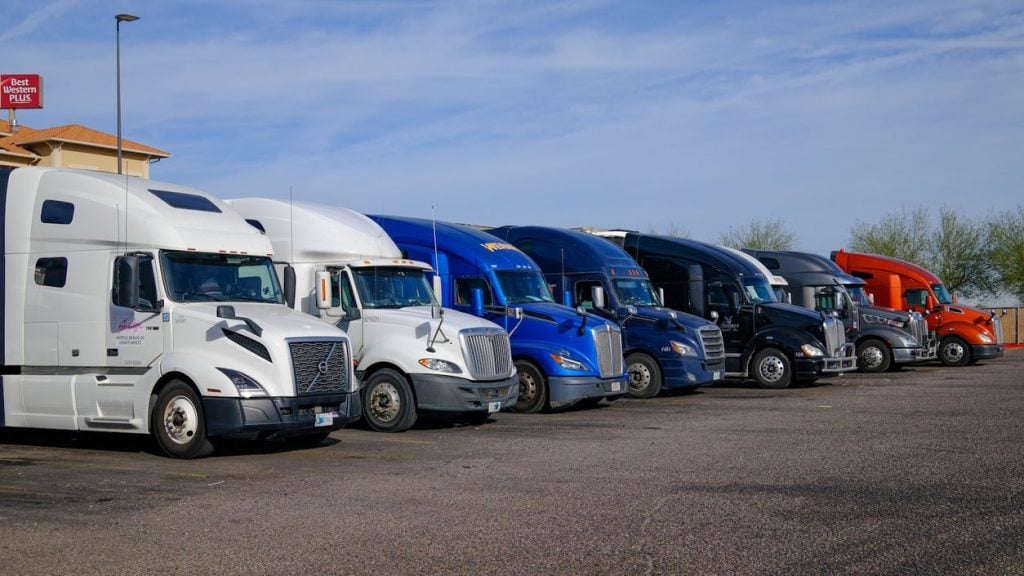
The buyer drives it home. Common for tractors: the buyer flies in, inspects, pays and drives out. It requires the truck to be road-legal, insured for the trip and honestly ready for a thousand-mile shakedown, which is a bolder claim than some sellers should make.
Power-only transport. For trailers, the standard answer: a carrier brings a tractor, couples to your trailer and delivers it. How that works, and what condition the trailer must be in for a carrier to legally tow it, is covered in our page on power-only freight.
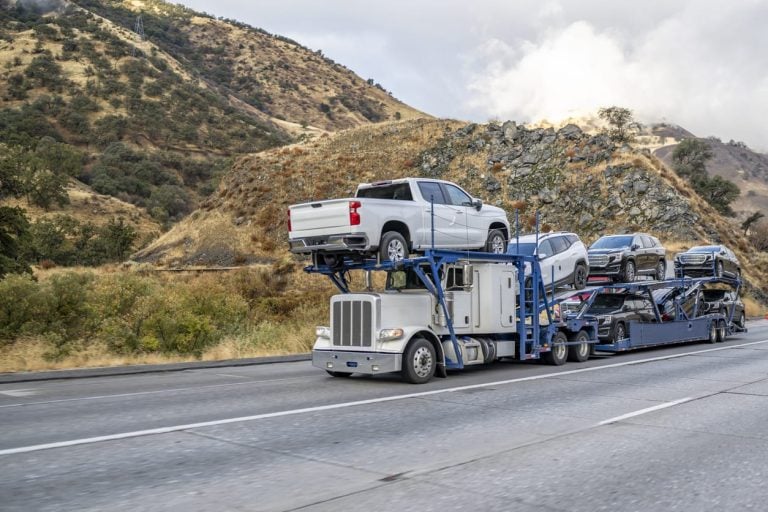
Hauled as a load. A non-running tractor or a trailer with issues travels on a lowboy or landoll. It costs more and it is the honest method for equipment that should not be on its own wheels at highway speed.
Who pays for delivery is negotiation, not custom; price it before you settle the sale price, so the freight is a line item instead of a surprise argument.

One inspection-day habit separates smooth sales from sour ones: run the truck warm before the buyer arrives, then let them start it cold if they ask. Commercial buyers know every trick for masking a hard cold start or a smoky warmup, and a seller who volunteers the cold start is making the strongest honesty argument available without saying a word. Bring the batteries up, check that every gauge and light works, and have the maintenance binder sitting on the seat rather than promised for later. The rig that is ready to be inspected hard reads as the rig that was maintained well, and that impression is worth more than any line of ad copy.
Where to Sell
The national listing platforms reach the widest buyer pool and suit clean, well-documented equipment. Dealer trade-ins and wholesale buyers pay less and close fastest, which has its place when the equipment must be gone this month. Auctions convert anything to cash on a known date at an unknown price. The right channel is a function of how good your equipment is and how patient you can afford to be: the better the rig and records, the more a private listing rewards the wait.
Common Questions
What documents do I need to sell a used truck and trailer? Clear title or payoff process, bill of sale with VIN and serial numbers, registration, and the maintenance records that support your price.
Should I sell the truck and trailer together? List them separately even if you would happily sell as a set. Different buyers, different comparables, better total.
How does a sold trailer get to an out-of-state buyer? Power-only transport most often: a carrier’s tractor couples to it and delivers. Roadworthiness is the seller’s claim to get right.
What adds the most value before listing? Organized maintenance records, cheap visible fixes, honest disclosure of the rest, and clean photos of a washed rig.
When is the best time to sell? When freight is strong. Spring tends to beat winter, and trailers firm up ahead of produce season.
Get a Quote
Call Ship A Car, Inc. at (866) 452-3657 with the equipment, both zip codes and whether it rolls, or request a quote through the specialized transport calculator.