How to Ship a Septic Tank
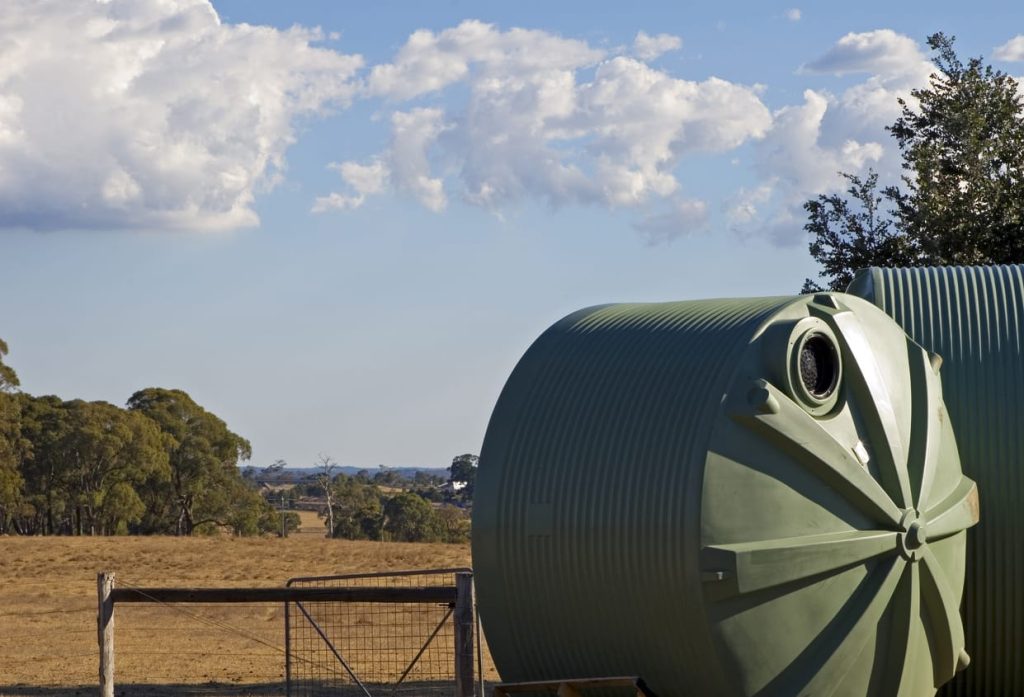
The first question on a septic tank is what it is made of, because a concrete tank and a poly tank are two completely different transport jobs even at the same capacity. A 1,000 gallon concrete tank weighs somewhere around 8,000 to 9,000 pounds empty and needs machinery at both ends. The same capacity in polyethylene weighs a few hundred pounds and can be handled by a small crew. Establish the material before you get quotes.
Concrete Versus Poly Versus Fiberglass
Three materials cover almost everything and the differences drive the whole plan.
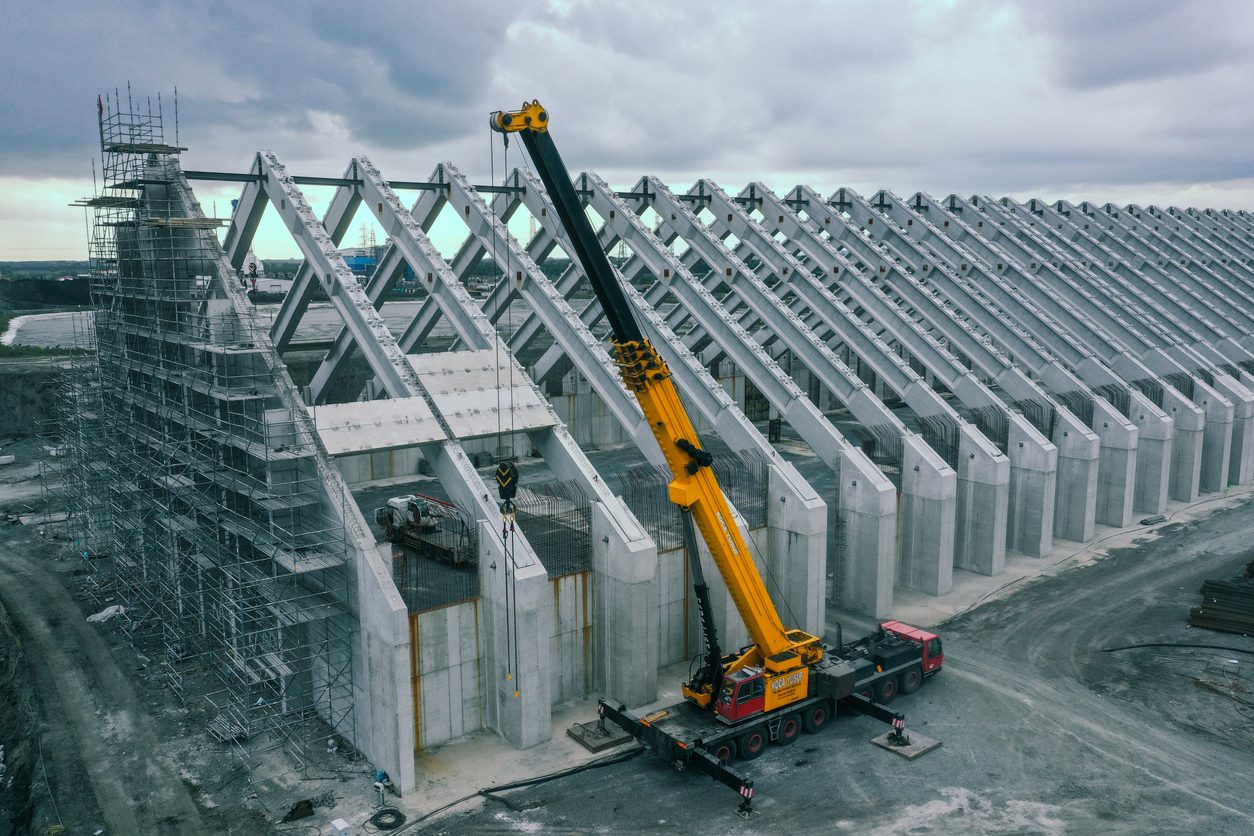
Precast concrete is the traditional choice and the heavy one. A 1,000 gallon tank is commonly 8,000 to 9,000 pounds and a 1,500 gallon tank runs well past 11,000. Concrete tanks are strong in compression, which is why they resist ground pressure so well, but they are brittle at the corners and lifting lugs, and a chipped edge around the lid seat is a genuine problem rather than cosmetic.
Polyethylene tanks are the light option, typically a few hundred pounds for a residential size. They handle easily and they flex, which is an advantage in transit and a liability in the ground if backfill is done badly. Straps pulled hard onto an unsupported span will deform a poly tank, so the securement has to spread the load.
Fiberglass sits between the two: much lighter than concrete, more rigid than poly, and vulnerable in the gelcoat. A chip is both cosmetic and a potential path for water ingress into the laminate.
Weight Decides the Equipment
On a concrete tank the transport is straightforward and the handling is not.
A residential concrete tank is comfortably inside legal weight on an ordinary flatbed, so the truck is rarely the constraint. What matters is that something has to lift eight thousand pounds off the deck at the destination, and that means a crane, a boom truck or a heavy telehandler.
Many precast suppliers deliver on a boom truck that both carries and sets the tank, which is the cleanest arrangement when it is available because one machine does both jobs. Where the tank is coming from further afield on a general freight carrier, the lifting equipment at the destination has to be arranged separately and confirmed for the same day.
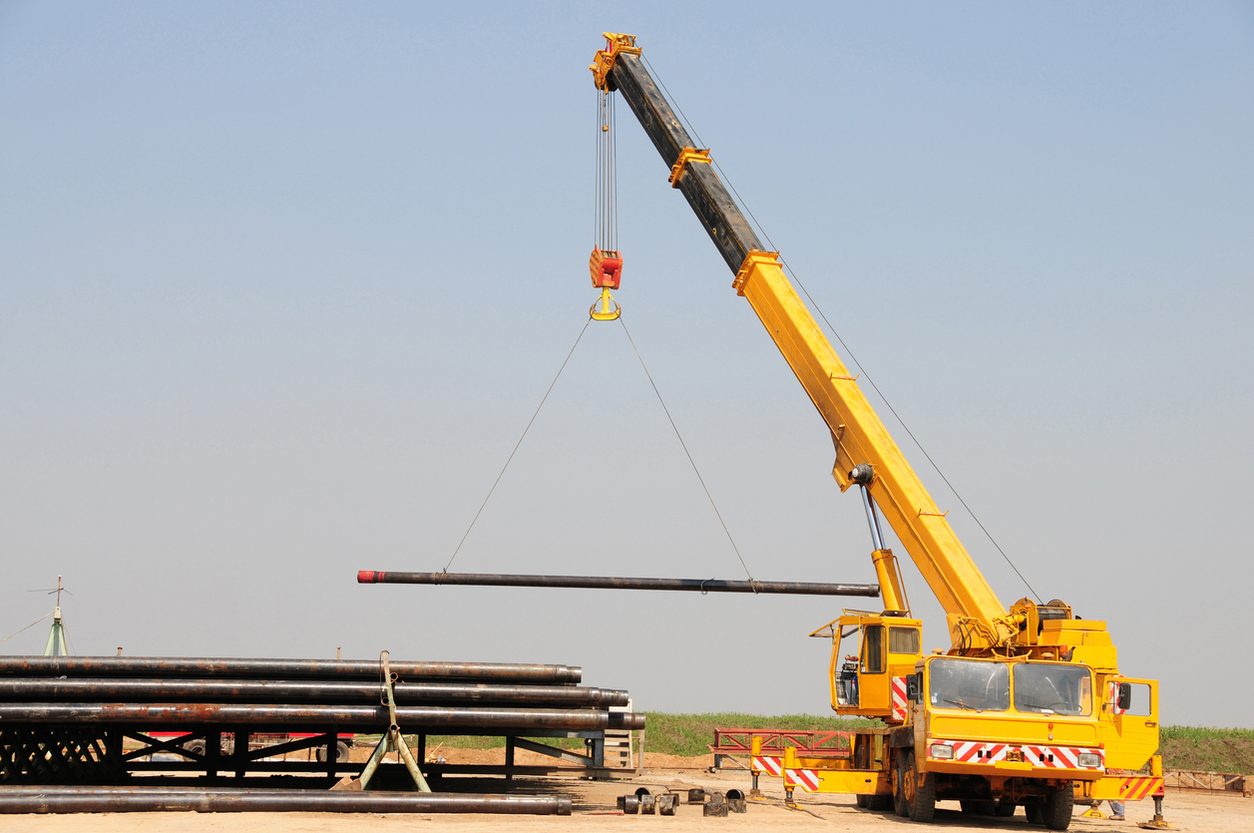
Arranging a lift at one end only is the most common way one of these jobs stalls. Confirm both.
Dimensions and When a Permit Applies
Most residential septic tanks are inside legal dimensions, which is worth knowing because it keeps the job simple.
Legal width is 8 feet 6 inches and legal height is 13 feet 6 inches measured from the road. A typical 1,000 to 1,500 gallon tank is around 5 to 6 feet wide and 5 to 6 feet tall, so on a flatbed deck at roughly 5 feet it stays under the limit.
Larger commercial tanks are a different matter. Past 8 feet 6 inches wide the load needs a permit for every state on the route, and multi compartment or large capacity tanks reach that easily. Measure the tank at its true widest point including any molded ribbing, risers or fittings rather than working from the catalog capacity.
Site Access Is Usually the Real Problem
Septic tanks go to rural properties, new builds and back yards, and the last hundred yards is where these deliveries succeed or fail.
A truck carrying a concrete tank plus a crane or boom needs room to get in, position and set up, and the ground has to carry the lifting equipment rather than merely the tank. Rural driveways and new construction sites are frequently soft, and a boom truck that sinks is the end of that day.
Check the gate width, the overhead clearance including trees and power lines, the turning room and the surface. Overhead lines matter more here than almost anywhere, because a crane boom near a service drop is a hard stop rather than a difficulty.
Confirm the excavation is dug, shored where required and ready before the delivery date. A tank cannot sit on the street waiting for a hole, and rehandling a concrete tank is both expensive and where damage happens.
Regulation Comes From the Health Department
Septic systems are permitted locally, usually by a county or parish health department rather than by a building department, and the rules vary considerably.
Get the permit before the tank arrives. Many jurisdictions require an inspection of the excavation before the tank is set, and some require the tank to be from an approved list of manufacturers or to carry specific certification. Delivering a tank that cannot be installed is an avoidable and expensive mistake.
Ask the supplier for the certification paperwork and keep it. On a new build it will be requested at final inspection.
Securing It for the Road
How the tank is strapped depends entirely on the material and it is worth asking about.
Concrete tanks are secured conventionally with chains or heavy straps to the designated lifting lugs and cast in anchor points, never across an unsupported span of the lid. The mass does most of the work; the securement stops it moving rather than holding it down against flex.
Poly tanks need wide webbing over padded areas and never a narrow strap pulled hard onto bare plastic, which will deform the wall, particularly in cold weather when the material is less forgiving. Fiberglass needs the same care plus protection for the gelcoat at every contact point.
Inspect the tank before it loads and again before you sign at delivery. On concrete look specifically at the corners, the lid seat and the lifting lugs; on poly and fiberglass look for deformation and for chips around fittings. Our guide to shipping a large water tank covers the above ground equivalent, which is a dimension problem rather than a weight one.
Common Questions
How much does a septic tank weigh? A 1,000 gallon concrete tank is roughly 8,000 to 9,000 pounds empty. The same capacity in polyethylene is a few hundred pounds.
Do I need a crane? For concrete, yes, or a boom truck or heavy telehandler, at both ends. Poly and fiberglass tanks can often be handled with much lighter equipment.
Does it need a permit to transport? Most residential tanks are inside legal width and height. Large commercial tanks past 8 feet 6 inches wide need permits for every state on the route.
What has to be ready on site? The excavation, dug and inspected where required, plus room and firm ground for the lifting equipment and clear overhead access.
Who permits the installation? Usually the county or parish health department, and some require an approved tank and an inspection before it is set. Sort that out before delivery.
Get a Quote
Call Ship A Car, Inc. at (866) 452-3657 for specialized freight with the tank’s material, capacity, measured dimensions and weight, and the access and lifting arrangements at both ends, or price it with the specialized transport calculator.