
Military Car Shipping for Active Duty and Veterans
What the government covers, first: on an OCONUS permanent change of station the military generally ships one privately owned vehicle at government expense. For a stateside CONUS move, POV shipment is the exception and must be authorized, so most CONUS families arrange and pay for transport themselves. Alaska and Hawaii move through the port system in either direction, and any vehicle beyond the one authorized POV is yours to ship. That is exactly where a coordinator who knows PCS timelines earns their keep. Here is how the private side of a military move actually works.
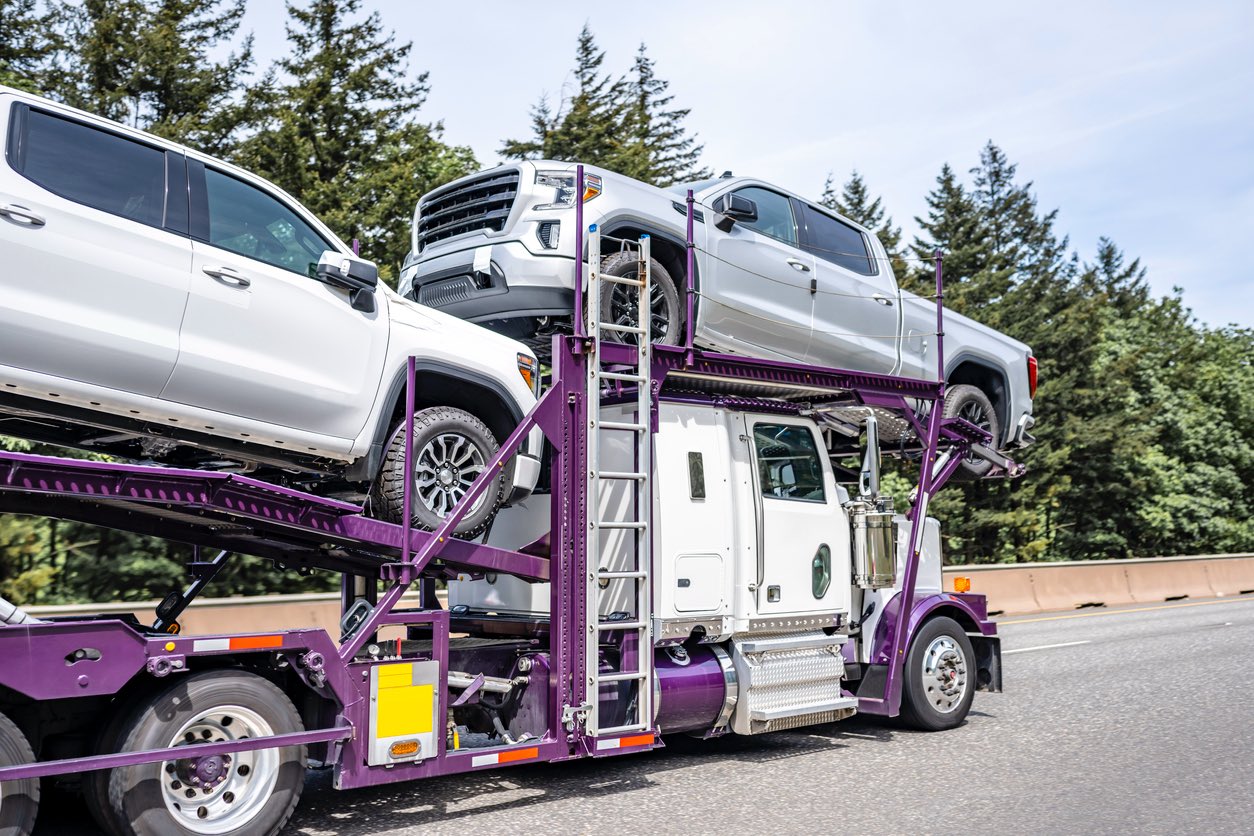
Drive It or Ship It: The PCS Math
On a CONUS move the government reimburses mileage for driving your own vehicles, so the honest comparison is a paid drive against a shipment you fund yourself. For one car and a family making the drive together, driving usually wins. The math turns when there are two vehicles. Convoying two cars doubles the days, the fuel stops and the fatigue while the mileage reimbursement covers a fraction of it, so the standard play for dual-car military families is to drive one and ship the other. The family travels together, arrives together, and the second car turns up a few days later.
Distance moves the answer too. Norfolk to San Diego is four to five driving days each way at roughly 500 highway miles a day, and a report date does not wait for weather, a breakdown or a sick kid in the back seat. On a cross-country PCS with a tight calendar, shipping is often the only version of the plan that actually fits.
The Timeline, Worked Backwards from Your Report Date
Book once orders are in hand. Two to three weeks of lead time is comfortable, and transport runs on pickup windows of two or three days rather than appointments, so build the window into the plan instead of fighting it. Short-notice moves happen constantly in this business and same-week pickups get arranged, but urgency has a price: the fewer days a dispatcher has to place a load, the fewer carriers can say yes.
Season matters more for military families than for anyone else, because most of the military moves at once. PCS season peaks from May through August, which is also the transport industry’s busiest window, so a summer report date deserves the earliest booking you can manage. And aim the delivery a few days after you arrive, not before: a car that lands ahead of you needs somewhere to sit.
Bases, Gates and Where the Truck Meets You
A civilian transport truck does not drive onto an installation. Access rules stop a 75 foot carrier at the gate, so handovers happen just outside: a commissary or exchange lot near the gate, a large retail lot by the highway, anywhere a full size truck can turn and park legally. Drivers who run military lanes do this every week and will propose a spot. Agree the meeting point with the dispatcher in writing rather than assuming door-to-door means the barracks.
For Alaska and Hawaii the picture splits: the government-authorized POV moves through the port system and its Vehicle Processing Centers, while a second, privately arranged vehicle travels the same ocean lanes on a commercial booking that a broker coordinates end to end. What the military will and will not ship, destination by destination, is covered in our guide to whether the military will ship your car.

Deployment: Store It or Send It Home
A deployment leaves a car with nowhere to be. The three options are base or commercial storage, a trusted driveway, or shipping it home to family, and the right answer mostly depends on length. Past about six months, shipping home tends to beat storage once fees, a dead battery, flat-spotted tires and lapsed registration are counted, and the car spends the year driven and maintained instead of deteriorating quietly. Whatever you choose, tell your insurer, since a stored car can move to cheaper comprehensive-only coverage, and tell your lender if the vehicle is financed and crossing state lines.
Veterans: The Move After the Last Move
Separation and retirement moves are where entitlements end. A veteran relocating for work or family is making a civilian move with civilian costs, which is precisely when a discount and a realistic quote matter most. One group deserves a specific word: adapted vehicles. A wheelchair van, hand controls or a lowered floor change what the vehicle needs on a trailer, so declare every modification when booking and photograph the adaptive equipment as carefully as the bodywork before pickup.
What the Military Discount Actually Does
Ship A Car offers a military discount to active duty, veterans and their families, and it applies on top of an honest quote rather than instead of one. Treat any military discount, ours included, the way you would treat a low number from anyone: the question is whether a carrier accepts the price, because a discounted rate no truck will take is a delay dressed as a favor. Our coordinators quote military lanes at rates carriers actually run, then take the discount off that.

Common Questions
Does the government pay to ship my car? Generally one POV at government expense on OCONUS orders. On CONUS moves it is the exception and needs authorization, and a second vehicle is always your own arrangement.
How far in advance should I book? As soon as orders are in hand. Two to three weeks is comfortable, and a summer report date deserves more. Short-notice pickups can be arranged, though the calendar may push the date.
Can the truck deliver onto base? No. Carriers hand over at an agreed point outside the gate, which is routine on military lanes. Fix the meeting spot when the carrier is assigned.
Is the car insured during transport? The assigned carrier’s cargo policy covers the vehicle in transit. Ask for the certificate of insurance and check the per-vehicle limit, and note that your own policy handles the car before pickup and after delivery.
Can I leave belongings in the car? Cargo insurance does not cover personal items, and loaded cars can be refused at pickup. Empty is the answer that never causes a problem at the curb.
Get a Quote
Call Ship A Car, Inc. at (866) 821-4555 with your report date, both zip codes and whether the move is one car or two, or request an estimate for the lane through the quote calculator. Say which branch you served with when you call, so the discount is on the quote from the first number you hear.